

In light of the Summer we have had, and the obvious climate changes, an article link this morning on Medscape is perhaps something to consider.
"An invasive mosquito species known to transmit diseases such as dengue and Zika virus has been found to be breeding in the UK for the first time"
I went a googling, and it looks like this is an AI generated article quoting stuff from the UKHSA.

 www.gov.uk
 ukhsa.blog.gov.uk
"Health officials said the risk to the public remains low and despite recent heatwaves, the overall UK climate is too cold for Aedes aegypti mosquitoes to survive long-term.
UK Health Security Agency (UKHSA) has stepped up surveillance and trapping after the insects and larvae were found at residential properties in East London.
It is the fourth time the species has been detected in the UK in recent years.
They are known to “hitchhike” in vehicles, baggage, and imported plants and can survive in suitable climates. However, it is the first time they have been found to be breeding, UKHSA said.
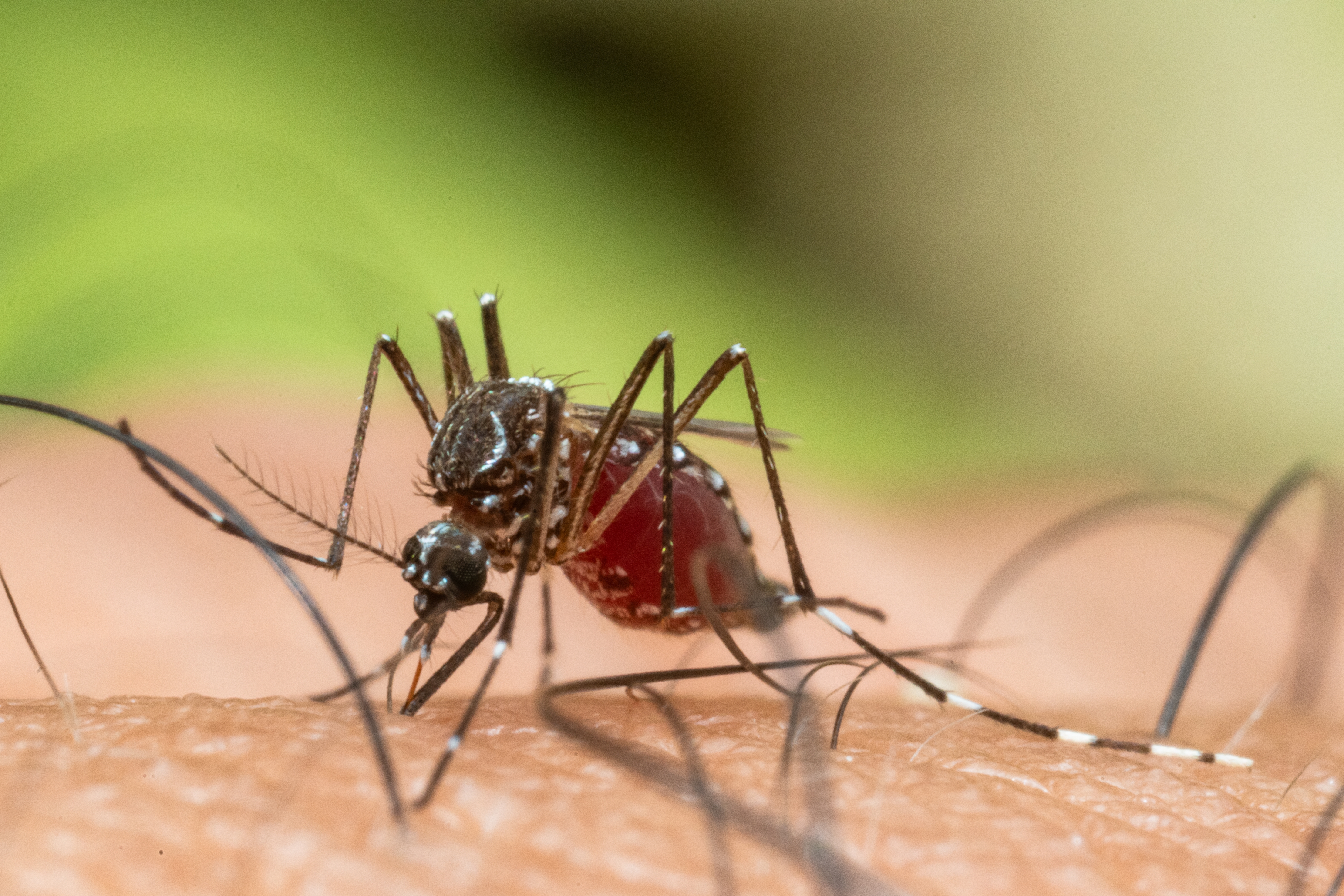
Aedes aegypti mosquitoes are usually found in tropical and subtropical countries and are transmitters of viruses such as dengue, chikungunya, and Zika.
They were detected in east London through the UKHSA mosquito watch scheme and control measures have now been put in place to destroy the larvae.
Dr Jolyon Medlock, head of medical entomology and zoonoses ecology at UKHSA, said: “While Aedes aegypti can transmit diseases such as dengue, chikungunya and Zika virus in countries where these infections are circulating, the risk to the public from this finding is assessed as very low.
There is no evidence that these mosquitoes have caused human infections and importantly, to date, there is no evidence of the mosquitoes or larvae being detected in nearby public areas.
We believe these mosquitoes are accidental importations.
Invasive mosquitoes can hitchhike in vehicles, baggage and imported plants, and if they find a suitable climate, can survive.
Despite evidence of breeding in this local area and the recent heatwaves, the species is not established in the UK and cannot survive long-term in the typical UK climate, which is too cold overall.
However, Medlock said the UK would continue to see cases of invasive mosquitoes and increased reports of them being able to survive in the warming climate.
The UKHSA said people could reduce opportunities for all mosquito species to breed by removing standing water from gardens, including water collected in buckets, containers, and plant pots."
That's pretty hard on those folks down south alreadys struggling to manage to keep enough water for their gardens and crops.
My garden lies next to a burn. It's a shallow stream that floods in heavy rain. My garden has two ponds, there's water everywhere around us.
The UK uses rainwater to flush the sewage drains, every road has some kind of drainage and that's all accessible.
Realistically, I can't see us doing much to prevent the blighters if they do become established.
We have enough issues with midgies and horseflies, and I'm pretty sure Tony posted something a while back about a Blandford fly.
Annoying blighters, aren't they ?
"An invasive mosquito species known to transmit diseases such as dengue and Zika virus has been found to be breeding in the UK for the first time"
I went a googling, and it looks like this is an AI generated article quoting stuff from the UKHSA.
Invasive mosquito species detected in east London
UKHSA finds invasive Aedes aegypti breeding in east London, prompting enhanced surveillance.
Should I be concerned that an invasive mosquito species has been detected in East London? – UK Health Security Agency
The UK Health Security Agency (UKHSA) has detected Aedes aegypti mosquitoes and larvae at residential properties in East London. It is the first time this species has been found breeding in the UK, and the fourth modern-day detection of Aedes
ukhsa.blog.gov.uk
"Health officials said the risk to the public remains low and despite recent heatwaves, the overall UK climate is too cold for Aedes aegypti mosquitoes to survive long-term.
UK Health Security Agency (UKHSA) has stepped up surveillance and trapping after the insects and larvae were found at residential properties in East London.
It is the fourth time the species has been detected in the UK in recent years.
They are known to “hitchhike” in vehicles, baggage, and imported plants and can survive in suitable climates. However, it is the first time they have been found to be breeding, UKHSA said.
Aedes aegypti mosquitoes are usually found in tropical and subtropical countries and are transmitters of viruses such as dengue, chikungunya, and Zika.
They were detected in east London through the UKHSA mosquito watch scheme and control measures have now been put in place to destroy the larvae.
Dr Jolyon Medlock, head of medical entomology and zoonoses ecology at UKHSA, said: “While Aedes aegypti can transmit diseases such as dengue, chikungunya and Zika virus in countries where these infections are circulating, the risk to the public from this finding is assessed as very low.
There is no evidence that these mosquitoes have caused human infections and importantly, to date, there is no evidence of the mosquitoes or larvae being detected in nearby public areas.
We believe these mosquitoes are accidental importations.
Invasive mosquitoes can hitchhike in vehicles, baggage and imported plants, and if they find a suitable climate, can survive.
Despite evidence of breeding in this local area and the recent heatwaves, the species is not established in the UK and cannot survive long-term in the typical UK climate, which is too cold overall.
However, Medlock said the UK would continue to see cases of invasive mosquitoes and increased reports of them being able to survive in the warming climate.
The UKHSA said people could reduce opportunities for all mosquito species to breed by removing standing water from gardens, including water collected in buckets, containers, and plant pots."
That's pretty hard on those folks down south alreadys struggling to manage to keep enough water for their gardens and crops.
My garden lies next to a burn. It's a shallow stream that floods in heavy rain. My garden has two ponds, there's water everywhere around us.
The UK uses rainwater to flush the sewage drains, every road has some kind of drainage and that's all accessible.
Realistically, I can't see us doing much to prevent the blighters if they do become established.
We have enough issues with midgies and horseflies, and I'm pretty sure Tony posted something a while back about a Blandford fly.
Annoying blighters, aren't they ?


