Help me get my pack weight down

  • BushMoot: Come along to the amazing Summer Moot 31st July - 5th August (extended Moot : 27th July - 8th August), a festival of bushcrafting and camping in a beautiful woodland PLEASE CLICK HERE for more information.
Always interesting to see what others are taking out on their camps. Personally, I think there's considerable scope to reduce quite a bit of weight by ditching or switching out a few of those items listed. And then over time, you'll learn what works for you.

Despite some comments above stating otherwise, the Kelly Kettle at 470g really isn't that heavy at all. But I think you'd prefer the versatility and reduced bulk of a basic cook pot (ideally one that nests with a water bottle - A crusader cup and bottle combo or TBS 750ml pot and nalgene bottle for example). Add a trangia burner with trivet system and you'll be sorted.

Ditch the flasks in favour of a basic plastic bottle to reduce the bulk/weight of the flasks.

The OEX Salamander bivi might serve you well in the winter, but I'd swap it out for a basic British army goretex bivi. That'll save you approx 300-400 grams and you'll be unlikely to experience any condensation woes.

I'd ditch the wool roll mat and also the wool blanket from your list, you've already got sleeping kit covered so these seem like luxuries. Ditching one or both of these will save quite a lot of bulk and weight from your pack. For warm clothing go for a fleece, wool jumper and/or smock.

The FECSA sleep system is very good indeed, but in the middle of summer you almost certainly don't need to carry both sleeping bags. I'd go for the lightweight sleeping bag in the summer, but much will depend on how warm/cold you sleep. The medium bag on it's own should see you through much of the year in the UK though.

Ditch the small rucksack and sewing kit - not needed for an overnighter in the circumstances that you presented.

Moving on to the things that you'd contemplated adding to your kit: The multi-purpose cook pot - definitely worth doing in place of the kelly kettle. But don't bother with the axe as you can get by easily without it, maybe consider getting a Morakniv as an alternative. It'll be cheaper, lighter and much safer.

Keep at it though and enjoy your time outdoors.
 
Personally the first thing I pack is my sleep system. This is usually a DD Superlight tarp, my Nemo Tensor Insulated sleep pad and a Snugpak Jungle Blanket, that's your basic sleep kit for around 2KG which is good down to around 5C. Aside from a chair at 1KG which is my only comfort item and a few liters of water everything else is optional.

Pack the essentials, the other kit you planned to pack, ask yourself if you really need it. Many people take tools and multiple versions for no reason. Do not take anything just because others do, that is where most fail.
 
Just some thoughts:
  • Consider flat-pack water pouches rather than the flasks - lighter weight and can flat-pack when not in use. Eurohike used to do these in helpful 750ml sizes and mine has lasted years. It's not that awkward to clean either.
  • Nest items within other items as much as possible to reduce bulk (e.g. food rations inside the mug). It's the 'dead' space I get annoyed at when packing - air spaces in between items, or within fabrics like clothing or the sleeping bag. I know increased interest is in having a pouch / tin / container system per subject to keep alike items together in the same place, but this usually increases dead space within the pack. Perhaps a very light system for separating things but keep broadly similar things in one pouch - e.g. 1st aid, personal toiletries, hygiene items each in a small zip-lock, all of which live in a single heavier duty ripstop pouch?
  • Agree with others to leave the hatchet and bring a decent fixed-blade knife that can be waistbelt mounted - you will likely need a dangler to drop the belt loop of the knife sheath below the important waist strap/belt of your pack otherwise it will interfere and be really uncomfortable. I personally wouldn't be keen to split logs with the opinel.
  • Some knives (like my simple Hultafors OK4) has a little elastic slot on the outside of the sheath to shove a ferro-rod in, so if you belt-mount the knife, you can bring the ferro-rod with it.
  • Switch the position of certain items out of the pack - use thigh pockets on clothing for small / light items like the pad and pen. Granted this is more about redistributing the contents rather than making the total kit lighter, but it will reduce the amount in the pack itself. See what you might be able to hang on a simple cord around your neck too - I know some like their compass / small folding knife there as it keeps it accessible.
  • Agreed on dropping the wool blanket as others have said. An option that could be packed for heat retention is a foil 'space blanket' - they're pretty noisy so not great if you wanted to use when sleeping, but very small, light and helpful if weather turns colder when you're away.
  • For hygiene, consider castille liquid soap for hand washing - a little goes a long way, plus it works as shampoo, shower gel, laundry liquid and washing up liquid. You can get it un-fragranced and isn't overly expensive. It's a permanent feature for any trips I make.
  • For cooking, possibly you could get a single vessel for all purposes - a 750ml pot with foldout handle and maybe a bail arm, if this would be enough to cook in and also double up as a large mug (admittedly it would be a very big mug). Fire maple make a couple like this.
  • For cord, consider the weight / use - paracord 550 will handle most weights, but will take up more space / be heavier than say 2mm paracord, which still has 95kg breaking weight. Bank line is another option.
  • Useful items to consider which are small / low cost / light - a couple of carbide stanley knife blades, card protected and in duct tape - very sharp, can be important for first aid, helpful if you need a fine sharp point. Bring a small battery juicer for your phone, and ideally a USB plug-in light, as this gives your phone back-up charging plus the ability to be a second 'camp light'. Get an extendable tube fire-bellows. It weighs practically nothing, but is really useful at helping motivate a fire without you getting so close to the smoke / coals. Consider a buff as they can be pretty useful beyond neck / head warmth, incl. in an emergency as a temporary bandage.

And finally my UK-weather tip (appreciate it's not especially about your kit list) - if weather is uncertain and you may need your rainproof coat, keep it at the top of your pack unzipped and rolled up into its hood. It's far quicker to pull out of the pack and unravel and you don't need to unzip the front when the heavens open.

Hope some of this is useful.
 
  • Like
Reactions: Toddy and Billy-o
Now this it’s going to sound daft but it’s been so much a routine part of my kit for so long that I forgot to mention it.

The Kitchen Sink.

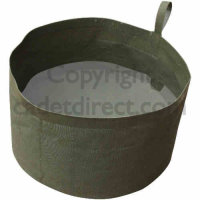
It depends on the shape of your rucksack but a smallish plastic washing up bowl weighs nearly nothing and takes no space at all when filled with your other kit. It has a million uses including a bath if you need one on a longer trip. It keeps everything close to where you are sitting by your stove and stuff can be chucked into it as you finish with it. It stops your stuff from getting muddy. If you are bivvying it can keep your boots handy and dry (with a rock on top)
You can even wash dishes in it!!!
 
I forgot I have one of these too and just how much I use it as an organiser, probably it’s most frequent use for me.
 
  • Like
Reactions: John59
my 2p worth is. It possible can you save weight on choosing another bag? How you pack bag e.g. Are all of your heavy items going to the bottom of the pack? Try moving them further up in the packing order so the heaviest stuff is at the top.Out of all the equipment that you take with you is there any of it you’re just carrying and not using? Stainless steel items can be great, but is there any that you can swap out for plastic as it has already been mentioned plastic nail Nalgene bottle with stainless cup for boiling water? And a light weight water filter. Swapping your bivvy tent out for a tarp only.
 
Now this it’s going to sound daft but it’s been so much a routine part of my kit for so long that I forgot to mention it.

The Kitchen Sink.

It depends on the shape of your rucksack but a smallish plastic washing up bowl weighs nearly nothing and takes no space at all when filled with your other kit. It has a million uses including a bath if you need one on a longer trip. It keeps everything close to where you are sitting by your stove and stuff can be chucked into it as you finish with it. It stops your stuff from getting muddy. If you are bivvying it can keep your boots handy and dry (with a rock on top)
You can even wash dishes in it!!!

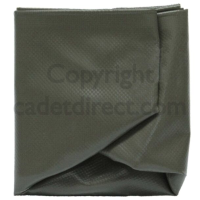
I have a folding one, OD, and one side I have marked with a permanent smilie, it's sort of plasticised groundsheet fabric and it's reversible. The smilie side is the side for washing me, the other side is for the dishes.

Like this....

1775563941227.png

and it folds flat like this, weighs very little too.

1775563978657.png
 
  • Like
Reactions: John59
Back from the woods, but had a lousy night - the weight but also the bulk, and the faff of it all. The big rucksack is wholly filled with the sleeping bag, which I can't get packed down much further. & this is before I add any food or a pan to cook it in. I can't work out where to make savings. I think the weight would be less of a bother if it was better-distributed.

It's 10.2kg of stuff i can measure, but i've not weighed the entire pack on a scales. Google tells me I should be aiming for 9 - 13.6kg. Apparently, military people carry up to 45kg but the context for the article i learned this from was veterans with back pain issues so I'd like to stay under that threshold.

Use-case:
More wild camping than hiking any real distance - building up to living in the woods for a few days. Mostly chilling, doing camp crafts, building lil shelters, watching the world. None of it very far from civilisation or in extreme weather situations.

My current plan is to sort it into two bags, rope one bag up a tree, have a daysack for wandering with till I find a nice camp, and then schlep the sleep stuff up there. Like establishing a series of base camps. Probably incorporating walking in and out of town for refils of water and food/disposing of litter. But I'd like to do some wandering about & feeling like a rugged man of the wilds. And there's also some small risk (tho only to property) of leaving half my setup unattended for much of the day. Ideally, I'd just like to carry what I need.
  • What should I cut?
  • Any recommendations for things to get instead?
  • Any light recommendations to meet the things I want to add to the kit?
  • Anything I can swap out for something more multi-purpose?
Give me your gear wisdom please!

Currently carrying:

FOOD
- Kelly Kettle (trekker) - [0.47kg]
- 1.2liters of water in 2 flasks [1.198kg + flasks from supermarket]

SLEEPING
- Salamander OEX hooped bivi [1.24 kg]
- inflatable sleeping mat (eurohike - cheap, but doesn't feel heavy)
- reflective aluminium mat (reclaimed food packaging - weightless)
- wool roll mat
- Fesca/british army sleep system [4 or 4.5kg]
[light: 2-2.2kg; winter: 2-2.2kg]

SHELTER
- OEX bush tarp [0.55kg]
- cord
- rope
- tent pegs

CARRY
- one big rucksack (lichfield explorer 70+ - 80liters)[2.24 kg]
- one small rucksack
- everything is rolled & bound with cord, no stuff sacks

GENERAL
- camp lantern
- head torch
- oppinel knife
- hiking stave
- small first aid kit
- small sewing kit
- firestarting kit
- 2x empty bag-for-life
- notepad & pen
- poop kit (loo roll/hand san/poo bags)
- phone

CLOTHES
- wool blanket
- poncho
- hat
- snood

Things I'd like to add to my setup:
- hygiene
- change of clothes/pajamas
- food
- multi-purpose cooking container/cup/pan
- mini axe or a roll of pre-prepped wood
- book
- hammock (for relaxing at camp)

Kit thoughts:
- Not loving the hooped bivi. it's claustrophobic & hard to get comfy in, & tricky to balance all the sleeping bags and layers of mat. and like the worst of both worlds between a bivi bag and an actual tent. I feel like for the same weight, I can probably get a pricy tent that's a little more generously sized. It's a lifesaver for midges over a bag-type-bag, but it's just no fun to curl up in with a book.

- I'm also not loving the kettle. It takes up space & is wobbly to operate (you definitely can't put the pot-rest on top of the kettle with a pot on it safely). The space is very small to make a good enough fire for cooking on. i can now make a decent coffee, but 2-minute-tortellini eludes me - and that's sat at home with pre-prepped wood. In general, too, there's some obvious ethical issues about wild fires (even in stoves - there was a lot of spitting sparks last night) and using wood from the wild and health implications, and maybe I should just cut that aspect entirely - fire is a tricky, time-consuming, resource intensive thing. That would also cut out the spare water, wood, fire kit, and axe. But hot meals and drinks are satisfying.

- I AM enjoying my absurdly cosy arctic-rated sleeping bag, but it's so huge packed. It's not even heavy, really, just bulky & unbalanced.

- I love my freezer-bag-for-lifes, they're so great. You can sit on them, use them for carrying & gathering, you can sort things into them when rummaging for something at the bottom of a rucksack, they weigh nothing, you can use them for extra sleep insulation, you can probably carry water in them. Ridiculously useful things. And great for chucking everything into if you need to get back to the car in a hurry.
Until you weigh every single item, you’ll never get your weight down.
 
Currently carrying:

FOOD
- Kelly Kettle (trekker) - [0.47kg] - N
- Can use alcohol stove with windshield and supports for 100g plus fuel 250ml for for 400g
- Alt, I use a wood gasifier stove 400g
- Both of above stoves fit inside Stainless pot with lid (lid acts as frying pan)
- 1.2liters of water in 2 flasks [1.198kg + flasks from supermarket]
- Mug which fits around base of 1 flask, replace 2nd flask with polyethylene collapsible bag
SLEEPING
- Salamander OEX hooped bivi [1.24 kg] - N
- inflatable sleeping mat (eurohike - cheap, but doesn't feel heavy) - Y
- reflective aluminium mat (reclaimed food packaging - weightless) - Y
- wool roll mat - N
- Fesca/british army sleep system [4 or 4.5kg] - Light System Only
[light: 2-2.2kg; winter: 2-2.2kg]

SHELTER
- OEX bush tarp [0.55kg] - Y
- cord - Y
- rope - N - more cord
- tent pegs - Y if plastic but N if in woods and can make them fresh

CARRY
- one big rucksack (lichfield explorer 70+ - 80liters)[2.24 kg] - N - can knock 1kg off if smaller rucksack
- one small rucksack - Y but should be ULW (mine is 49g) but 130g is commonly available
- everything is rolled & bound with cord, no stuff sacks

GENERAL
- camp lantern - Y
- head torch - Y
- opinel knife - SWK preferred
- hiking stave - Y
- small first aid kit - Y
- small sewing kit - Y
- firestarting kit
- 2x empty bag-for-life - N
- notepad & pen - Y
- poop kit (loo roll/hand san/poo bags) - Y
- phone - Y
- 4 Inch belt knife Mora HD or similar - 170g
CLOTHES
- wool blanket - or - Poncho Liner - 500g
- poncho - Y

- hat - Y
- snood - Y
- Midgie Head Net - 30g
Things I'd like to add to my setup:
- hygiene - Mini bar of Hotel Soap or similar - 25ml bottle of dish soap, 1/2 green scrubbing pad - 60g
- change of clothes/pajamas - 2 pair Socks and Pants - 400g
- food - What ever you prefer as long as it is simple to cook.
- multi-purpose cooking container/cup/pan - see above
- mini axe or a roll of pre-prepped wood - Better off with folding saw 200g
- book - N - Use Kindle or similar on phone (reverse colour so black screen and white letters saves battery)
- hammock (for relaxing at camp) - Consider using hammock (with Net) for sleeping replaces sleeping pad 800g
 

BCUK Shop

We have a a number of knives, T-Shirts and other items for sale.

SHOP HERE