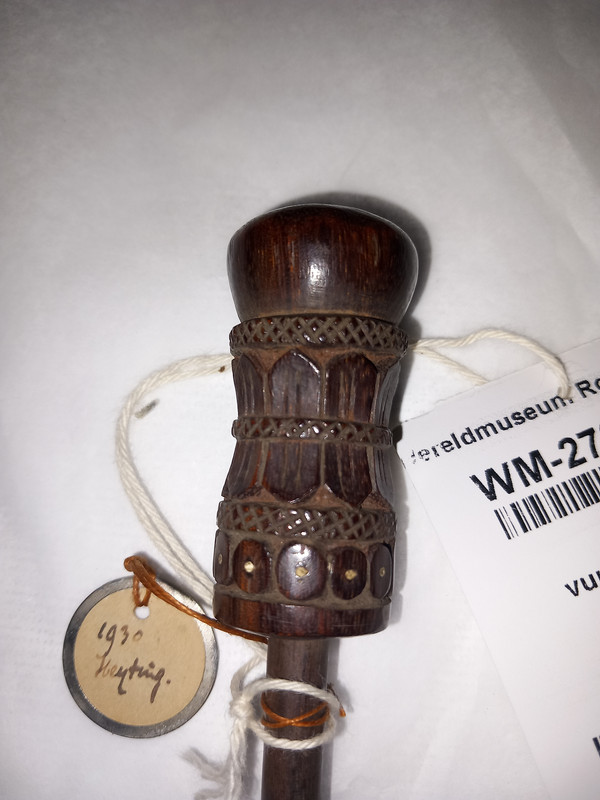
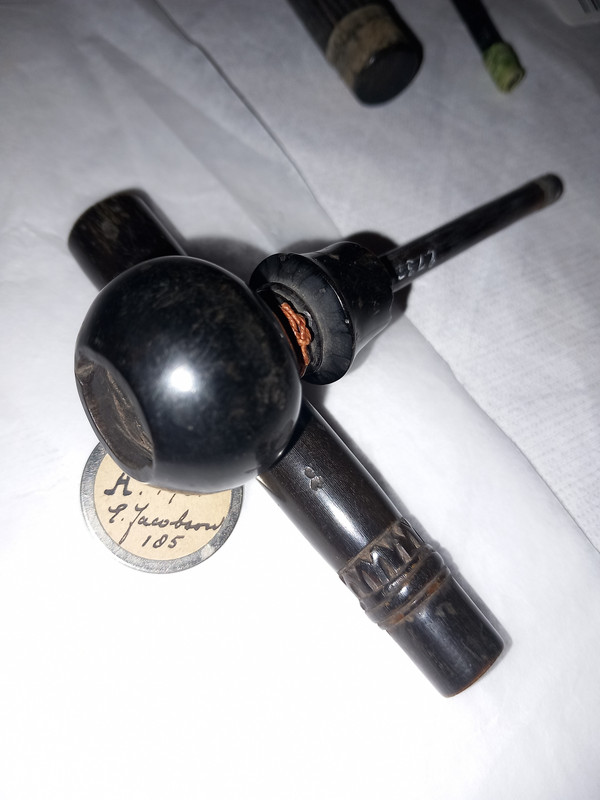
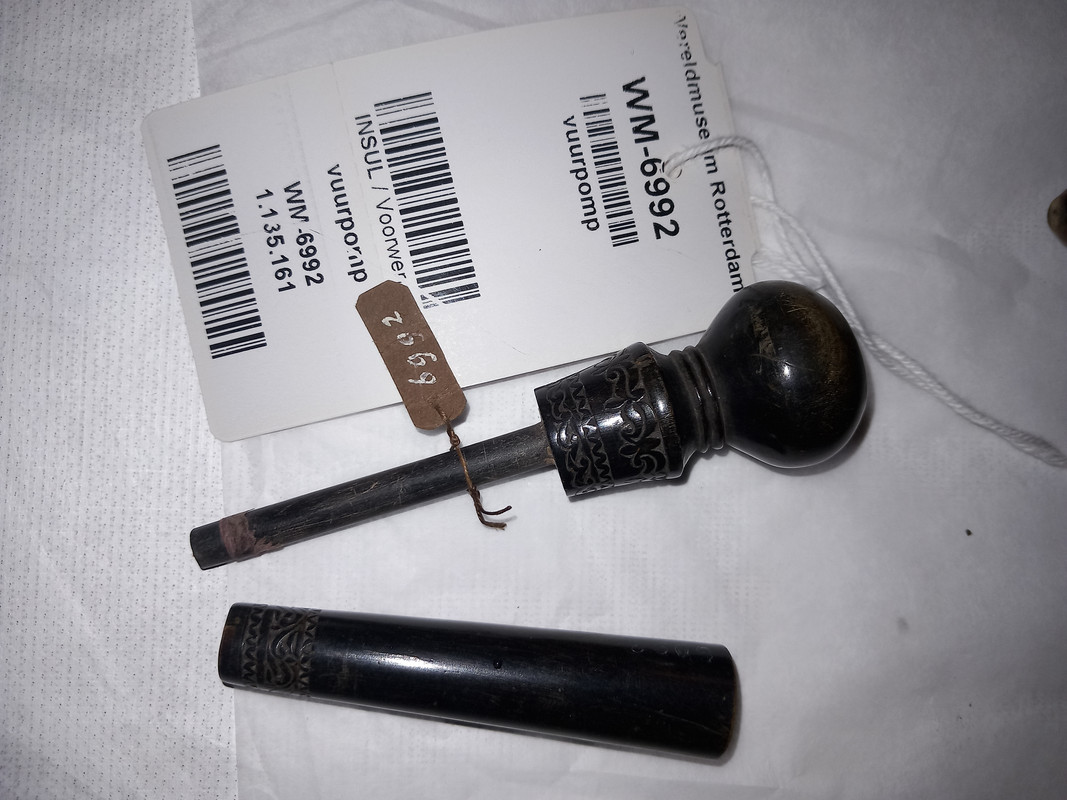
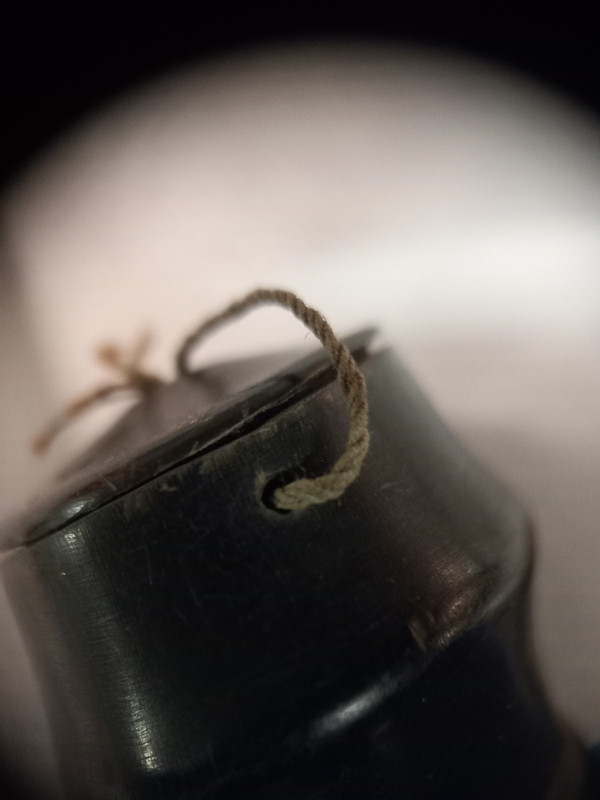
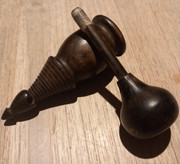
Antique South East Asian fire piston

  • BushMoot: Come along to the amazing Summer Moot 31st July - 5th August (extended Moot : 27th July - 8th August), a festival of bushcrafting and camping in a beautiful woodland PLEASE CLICK HERE for more information.

Galemys

Settler
Dec 13, 2004
767
136
55
Zaandam, the Netherlands
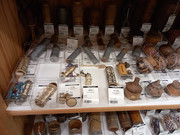
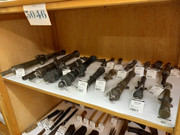
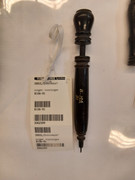
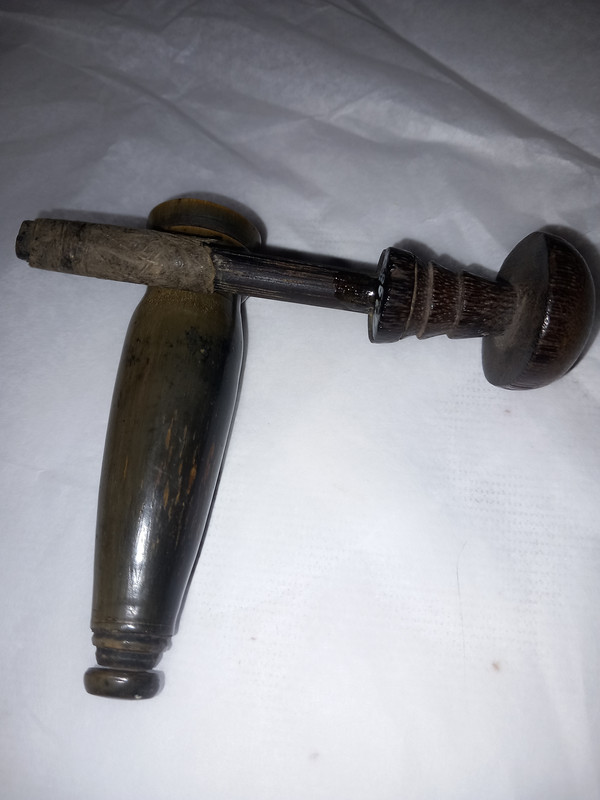
Last year I visited an Amsterdam antique shop that specializes in anthropological items. The owner had a collection of antique South East Asian fire pistons for sale.
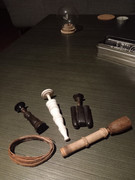
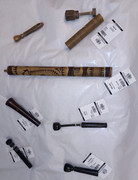
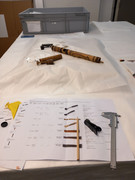
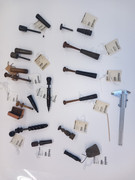
Anthropological Fire pistons collection:
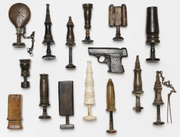


She had acquired the fire pistons from an English collector, sadly wihout any specific data for each piston.

She had bought the collection as a curiosity, and did not know much about the history of fire pistons or their use so I gave her a short introduction in 'fire pistonology', inc luding a firelighting demonstration with my own homemade fire piston. I also supplied her with some copies of articles on fire pistons (i.e. Balfour's anthropological assay from early 20th century)

After that she opened a drawer and I got to see -and hold!- all the various fire pistons she had. I felt like a kid in a candy store! ;)

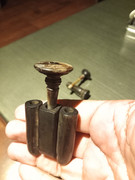
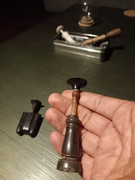
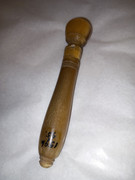
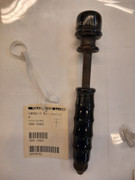
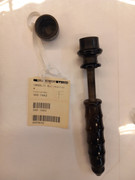
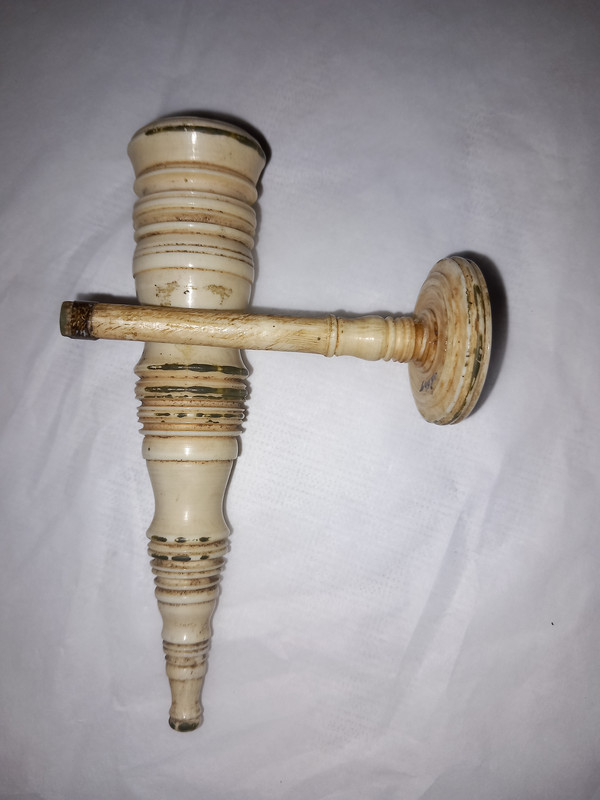
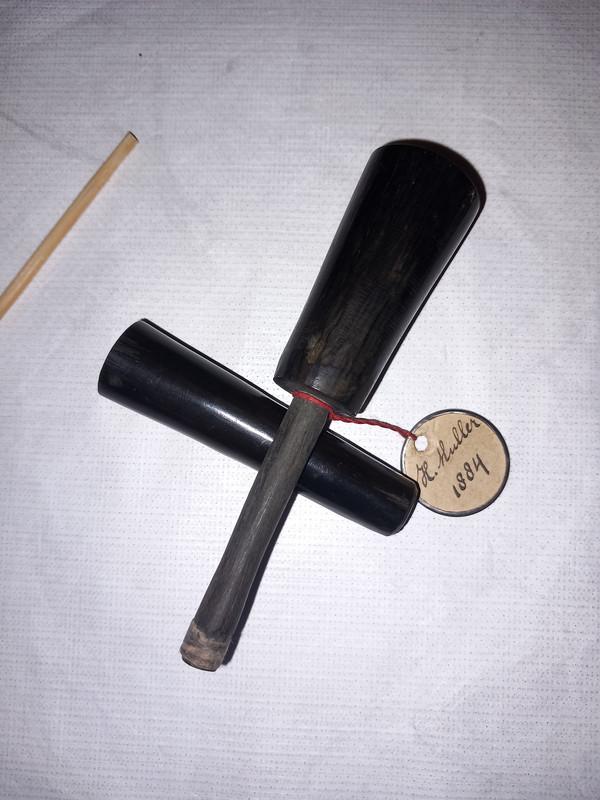
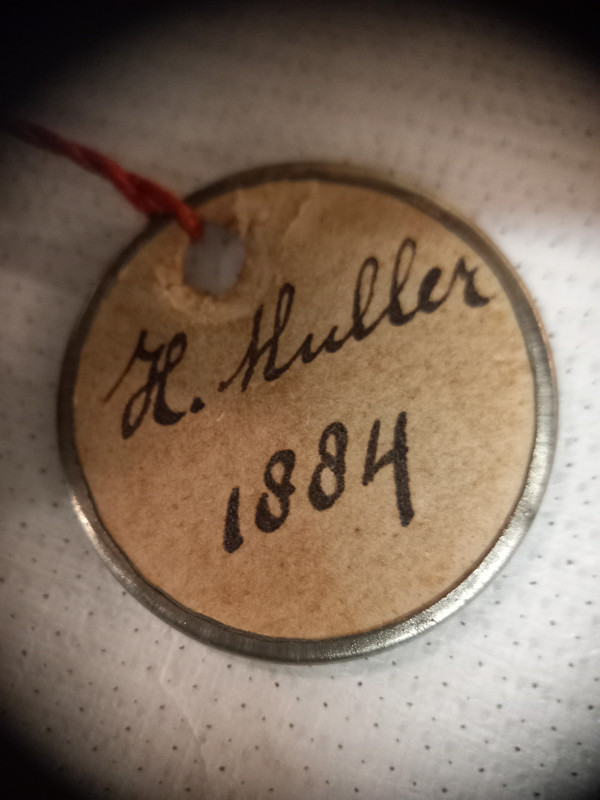
In the end I bought the white fire piston, wondering if it was made from ivory or bone.
My new fire piston:
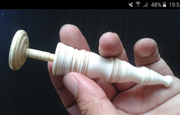


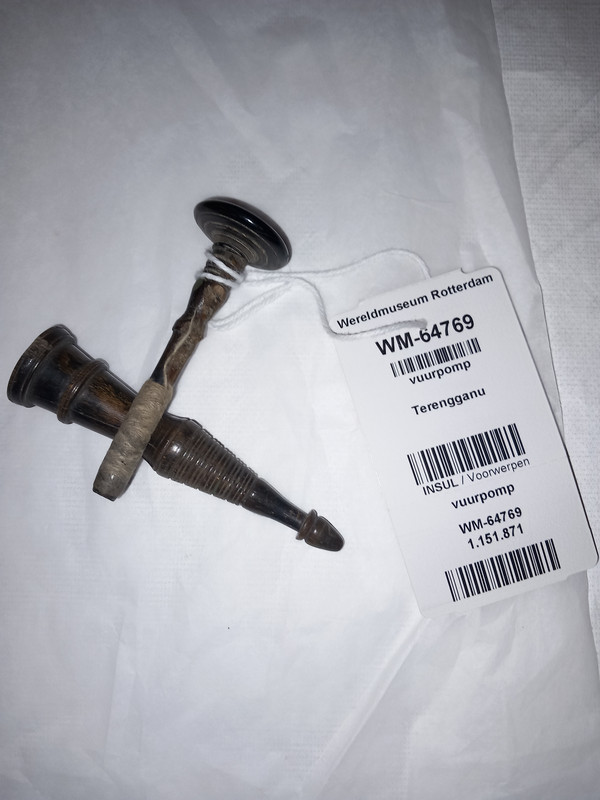
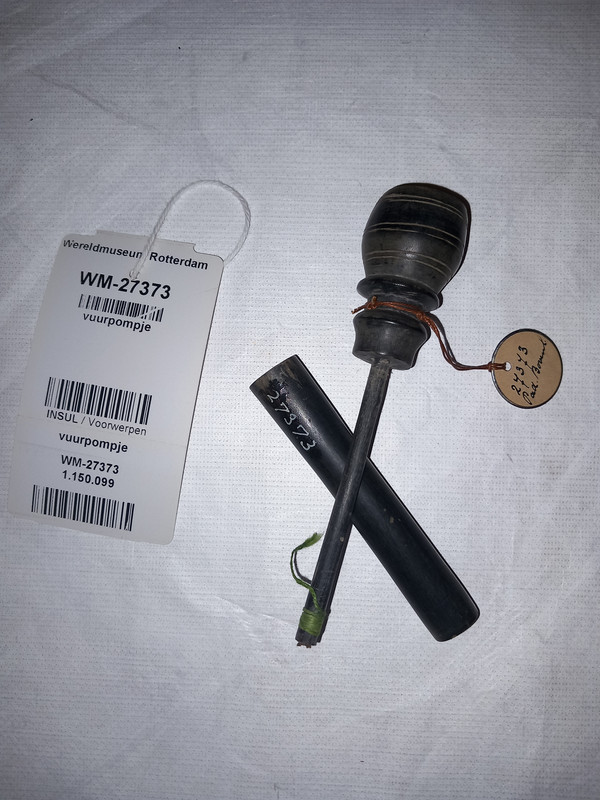
An internet search a few days later yielded an almost exact copy of my acquired fire piston.
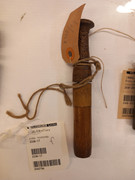
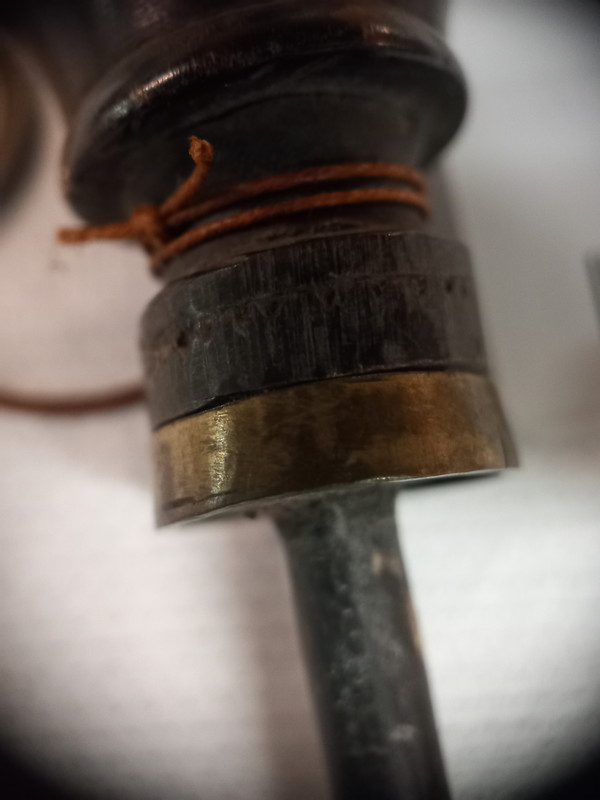
Twin fire piston from the collection of Wereldmuseum Rotterdam:
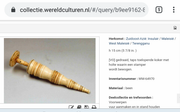


I can therefore say with some certainty that my fire piston comes from Terengganu, mainland Malaysia ;)

The museum states that theirs is made from bone (probably Asian elephant or rhinoceros judging by the thickness required to make one) so I guess mine is too.

Cheers,

Tom

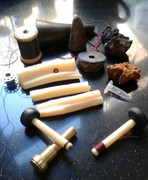
Note by the first picture:
The turned wooden & horn fire pistons that taper into a sharp point are probably all Malaysian. The flat-bottomed ones, the two rectangular ones & the pistol-shaped one look like they are Philipinean.
I could not find a match for the flask-shaped fire piston in online Dutch & international museum collections

Edit: I have replaced the Photobucket-pictures by photographs from Postimage
 
Last edited:
Unfortunately Photofu^*et don't allow you to share pictures unless you pay the ransom money for the privelage.

Best option is to use Postimage or another free photo hosting site to upload pictures.
 
Oh, that is a find. and a good opportunity to increase the knowlege on something which is very obscure.

My pictures are very fuzzy.
 
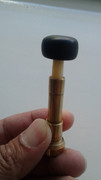
After buying the antique fire piston I wanted to try and make a bone fire piston myself and found a piece of cow metacarpal bone in the pet shop. The bone wall was not thick enough to make a piston out of but I made a bone rod to match a small brass piston. It took a lot of splitting, carving and sanding to end up with a straight and round rod.

The handle was made from a piece of cow horn.

It starts a fire but this size seems to border on what is manageable for using a fire piston: any smaller than this would be very hard to use.


This one uses a rubber o-ring, I am currently working on a rod that uses wound thread for making it air tight.

Cheers,

Tom
 
After buying the antique fire piston I wanted to try and make a bone fire piston myself and found a piece of cow metacarpal bone in the pet shop. The bone wall was not thick enough to make a piston out of but I made a bone rod to match a small brass piston. It took a lot of splitting, carving and sanding to end up with a straight and round rod.

The handle was made from a piece of cow horn.

It starts a fire but this size seems to border on what is manageable for using a fire piston: any smaller than this would be very hard to use.


This one uses a rubber o-ring, I am currently working on a rod that uses wound thread for making it air tight.

Cheers,

Tom
that is very neat may I ask where you got the brass parts
 
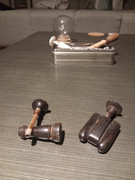
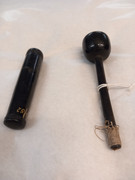
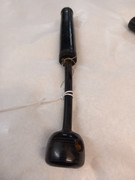
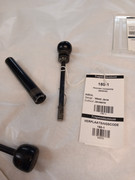
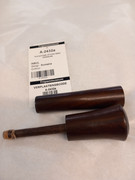
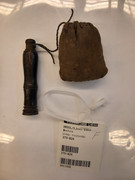
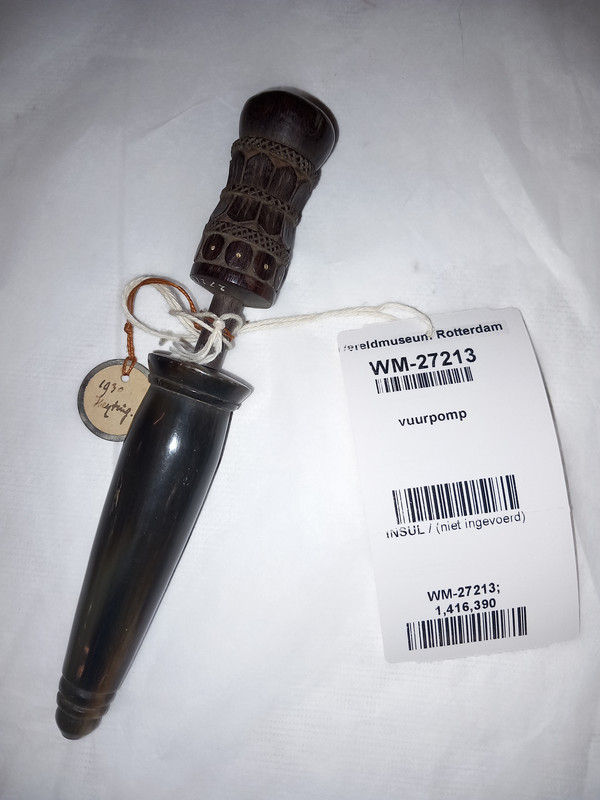
Two more additions, from the same antique shop batch!

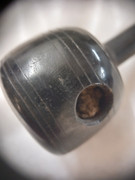
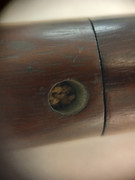
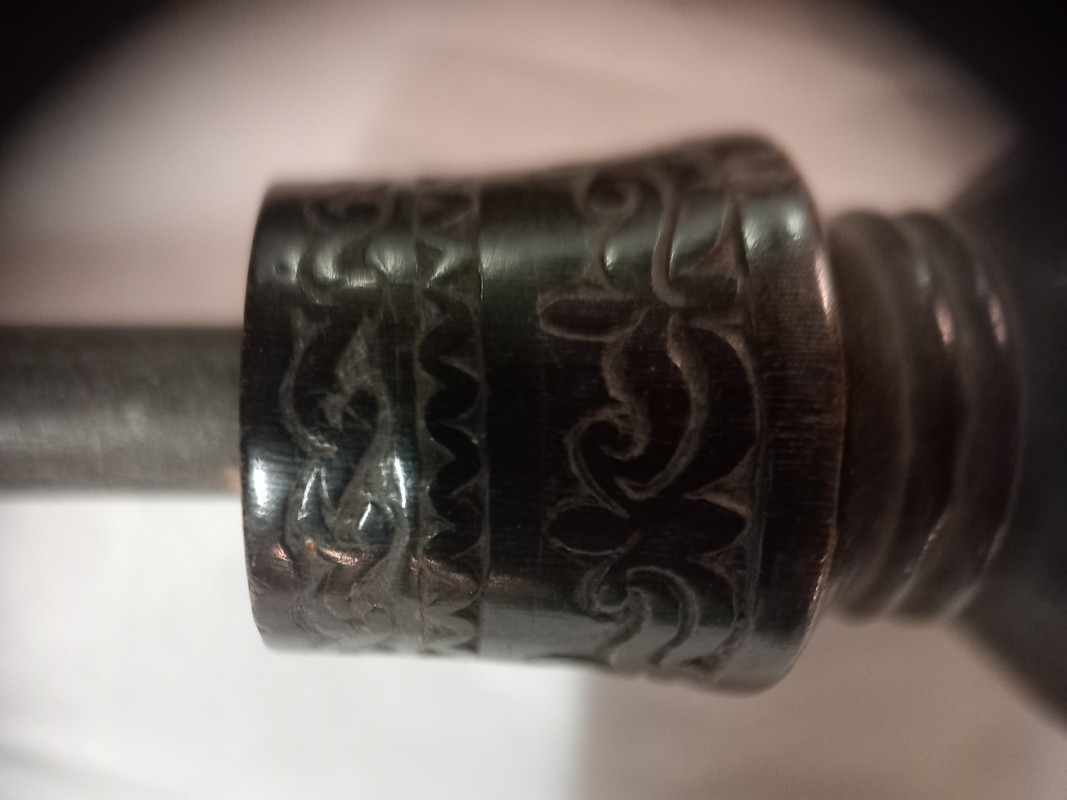
Both are made of a kind of dark shiny hardwood. The lathe turned one has a piston that is made of light horn, with a hard wood knob. This one is probably from peninsular Malaysia or Thailand when compared to similar pistons in museum collections. The other one is of a unique shape that I have not seen in any museum collection. It has 2 extra holes next to the cylinder, I reckon these were for storage of tinder and lubricant.


All tribal fire pistons in my possession, the bamboo one is from the Semelai tribe in peninsular Malaysia, the circular shape is a strip of terap tree bark that the Semelai use for their fire piston gaskets to ensure an airtight seal (see the fantastic fire piston-thread by BOD):


Cheers,

Tom
 
Last edited:
Last month I had an appointment at the Wereldmuseum Amsterdam, to take a look at their collection of ethnological fire pistons. A friendly young museum woman handled each of the fire pistons with blue latex gloves so I could take some pictures and measurements. Of all the objects that were hauled from the depots at my request, the 2 bamboo ones turned out not to be real fire pistons, but something else (fancy containers? It was hard to tell, but they were surely not meant to start a fire). The others were beautifully made out of hardwood and horn.


After I was done with the measurements and pictures, I was shown one of the depositories, with all kinds of beautiful, wonderful & weird paraphernalia from Indonesia, truly amazing...


Cardboard box saying 'Menselijke resten' (human remains)...

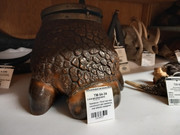
A sewing box made from a rhinoceros' foot:
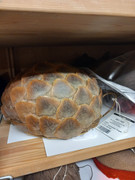
A 'war helmet' made from pangolin skin:


A similar visit to the Wereldmuseum in Leiden wil be planned soon. :)

Cheers,

Tom
 
Last edited:
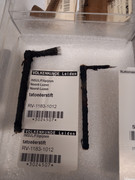
The depository of Wereldmuseum Leiden is located in a non-descript industry park near the Hague, the Netherlands. I was welcomed by two friendly staff members with tea and cake and than we went to see the fire pistons in their collection.


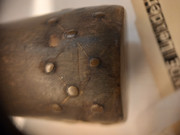
Some had beautiful details, like hidden containers for tinder, a metal point (presumably for extracting the glowing coal out of the tinder cavity) or small nails as embellishment:


Sadly, some of the pistons in this collection came with very vague location details ("Indonesia?")

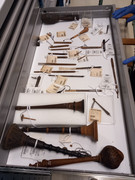
Some other stuff in the depository: mouth harps, tattooing implements and tobacco pipes:


The collection of Wereldmuseum Rotterdam is next in a few weeks time!

Cheers,

Tom
 
  • Like
Reactions: Chris
The depository of Wereldmuseum Leiden is located in a non-descript industry park near the Hague, the Netherlands. I was welcomed by two friendly staff members with tea and cake and than we went to see the fire pistons in their collection.


Some had beautiful details, like hidden containers for tinder, a metal point (presumably for extracting the glowing coal out of the tinder cavity) or small nails as embellishment:


Sadly, some of the pistons in this collection came with very vague location details ("Indonesia?")

Some other stuff in the depository: mouth harps, tattooing implements and tobacco pipes:


The collection of Wereldmuseum Rotterdam is next in a few weeks time!

Cheers,

Tom

Thanks for sharing this Tom, really interesting stuff. Must be even more fascinating in person.
 
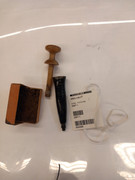
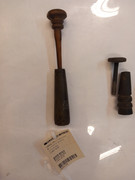
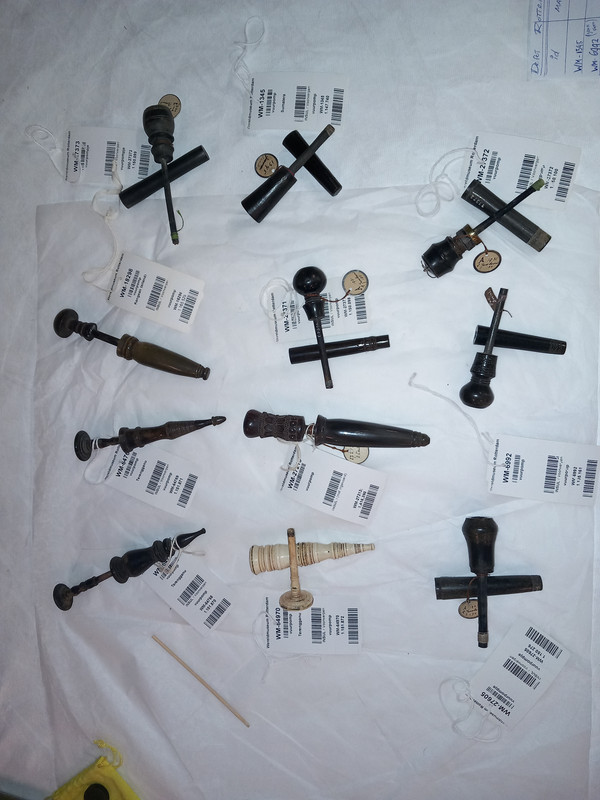
After a minor miscommunication ("Appointment? What appointment?") I was welcomed at the depository of the Wereldmuseum Rotterdam. I had asked for 9 fire pistons to be looked at, but the kind woman that helped me had located 2 more for me that were catalogued online under a slightly different name!

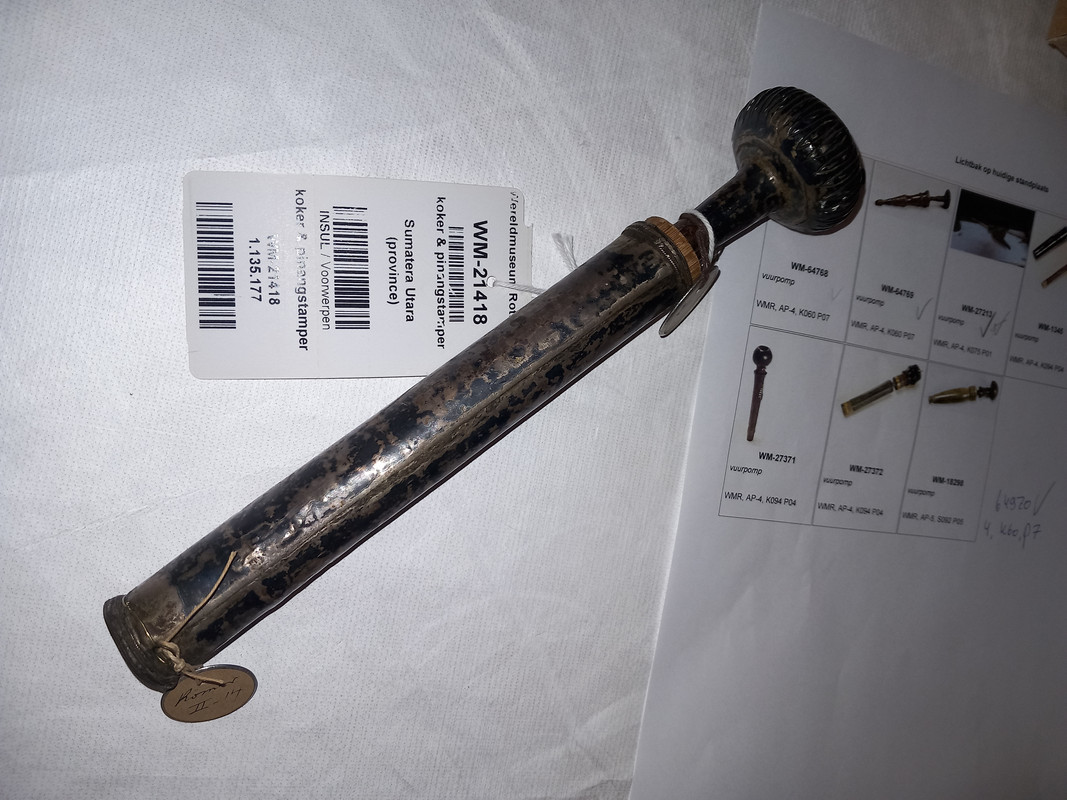
She had also found me this crusher, used to pulverize lime, areca nut and betel leaf for 'betelnut' usage by people with bad dentition. It superficially looks like a fire piston but is bigger, cruder and I dont think it has something to do with the origins of the fire piston (as some people do).


Here are the fire pistons, these are from Indonesia (Sumatra mostly) & Terengganu, (mainland Malaysia). Some are quite plain, others decorated with intricate patterns or brass, a few had compartments in the knob of the piston to store tinder:


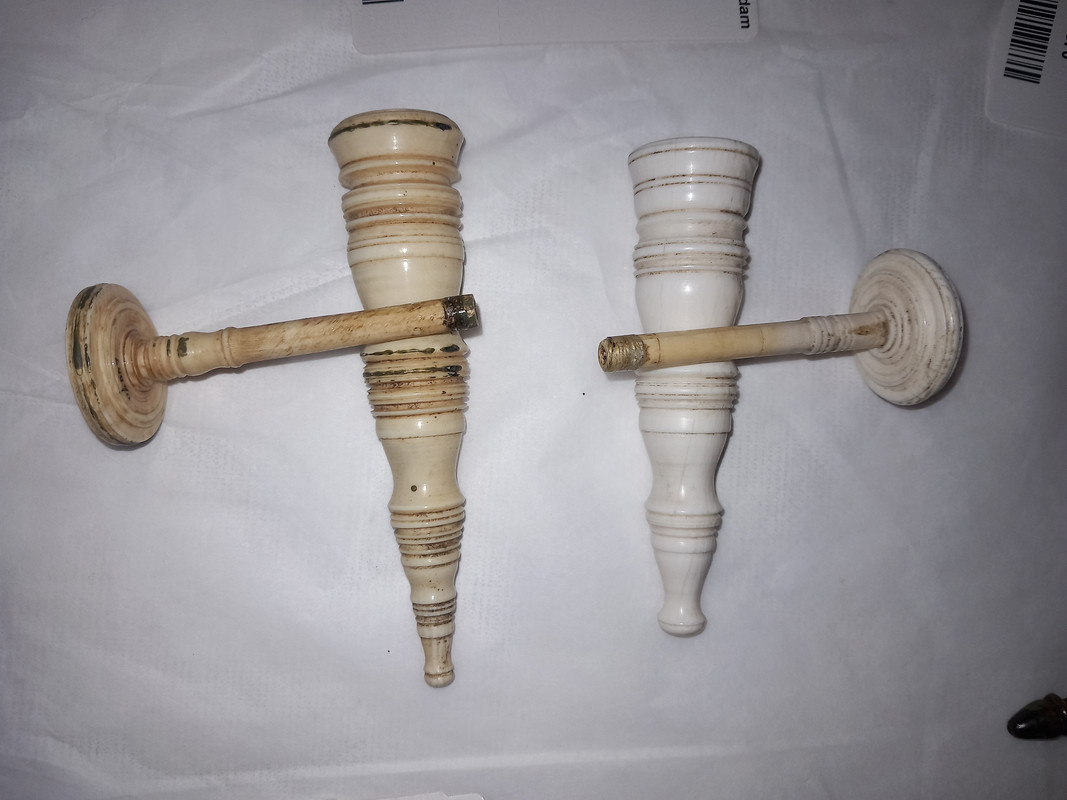
The bone or ivory one from the museum, next to mine (on the right), these come from Terengganu, Malaysia:


Cheers,

Tom
 
Last edited:
  • Like
Reactions: Chris
My latest addition:


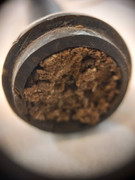
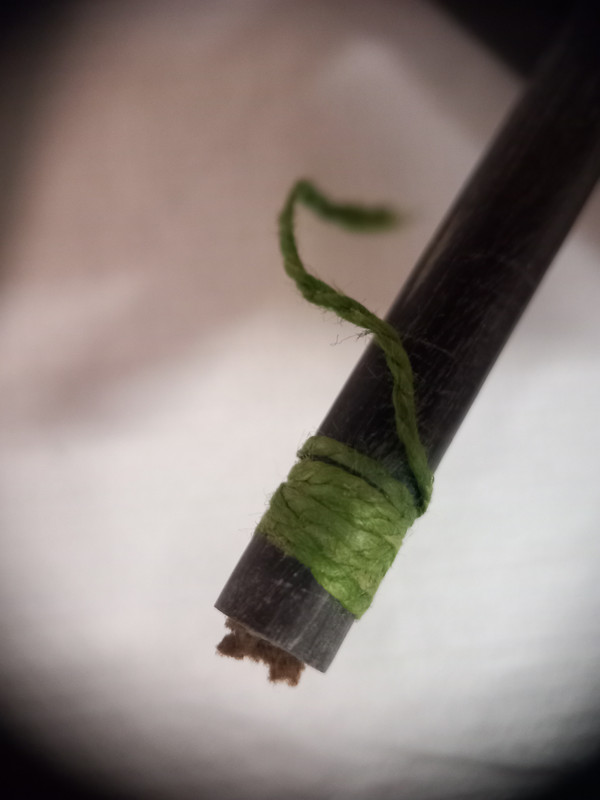
The cylinder still contained some of the original tinder ;)

Although the seller had no details on the background of this fire piston, I think it is most likely that it comes from the Northern part of peninsular Malaysia or the Southern parts of Thailand, after comparison with museum (and internet) fire pistons.

Cheers,

Tom
 
Really interesting Galemys, thank you. I still haven't managed to get a spark out of my firepiston yet. I need to sit down and work at it more, I'm sure it's just a knack to acquire.

Given the number and variations of piston you've shown, does this mean it was the primary and most reliable way of starting a fire in those regions? As opposed to say, friction fire lighting?
 
Fire pistons were used in a big part of Southeast Asia but they were by no means the only way of starting a fire and their distribution is a bit erratic. Hand drill, pump drill, and fire saw have all been recorded in the past. Fire thong and bamboo strike-a-light were used almost exclusively in this region (including New Guinea). Flint and steel probably came at a later date. Various tribes used more than one method, with some being restricted to certain cultural activities.

Cheers,

Tom
 

BCUK Shop

We have a a number of knives, T-Shirts and other items for sale.

SHOP HERE