

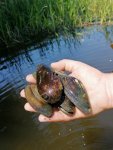
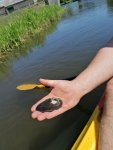
Wasn't sure where to put this. But I guess this is the best place? They were kept in the water whilst waiting for photo's, and all delicately returned to suitable spots. I believe they are swan mussels.


 Bumble bee on thistle by Alf Branch, on Flickr
 Leaf cutter bee by Alf Branch, on Flickr
 Walnut orb weaver by Alf Branch, on Flickr
 Emerging dragonfly by Alf Branch, on Flickr
 Dolly fly by Alf Branch, on Flickr
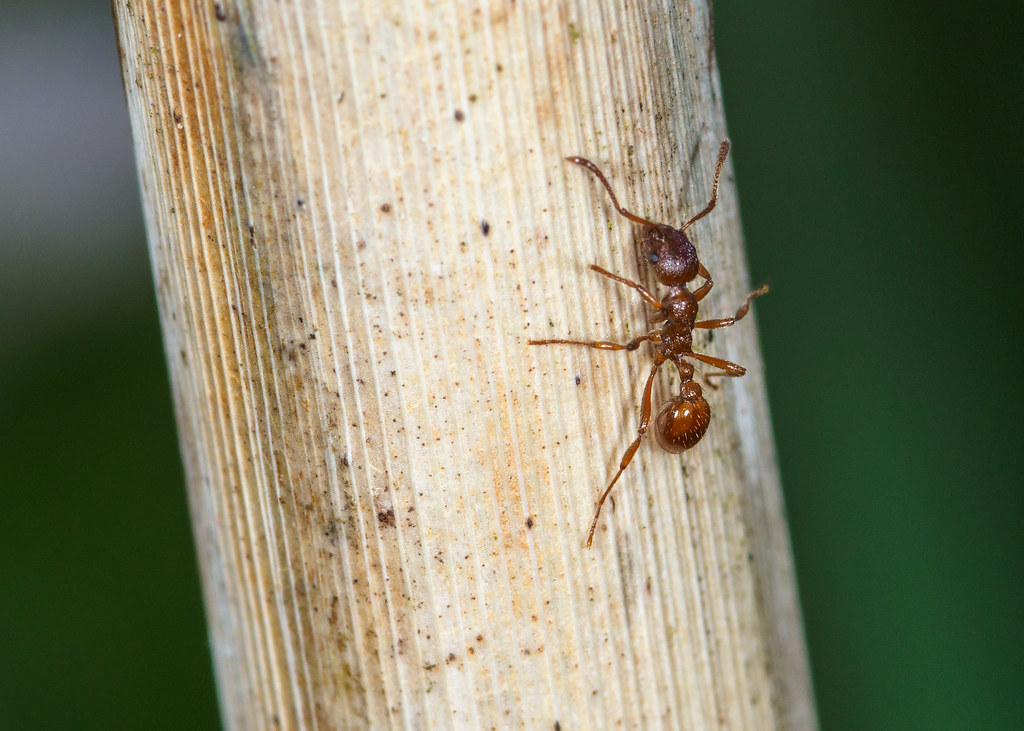 Ant by Alf Branch, on Flickr
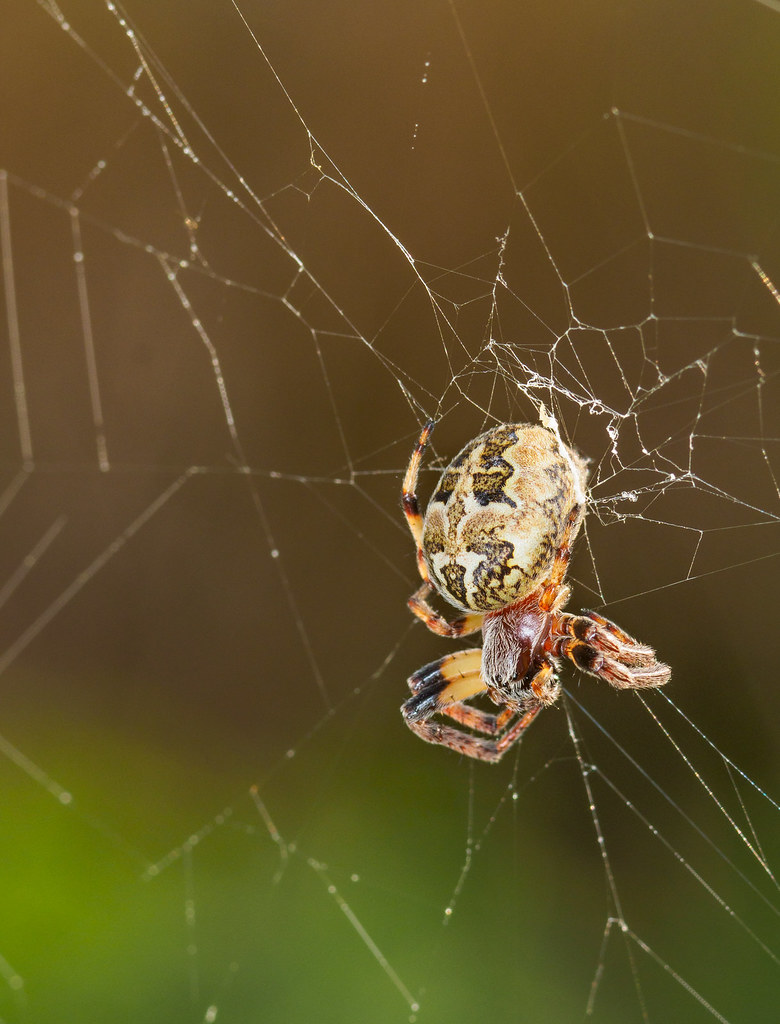 Spider by Alf Branch, on Flickr
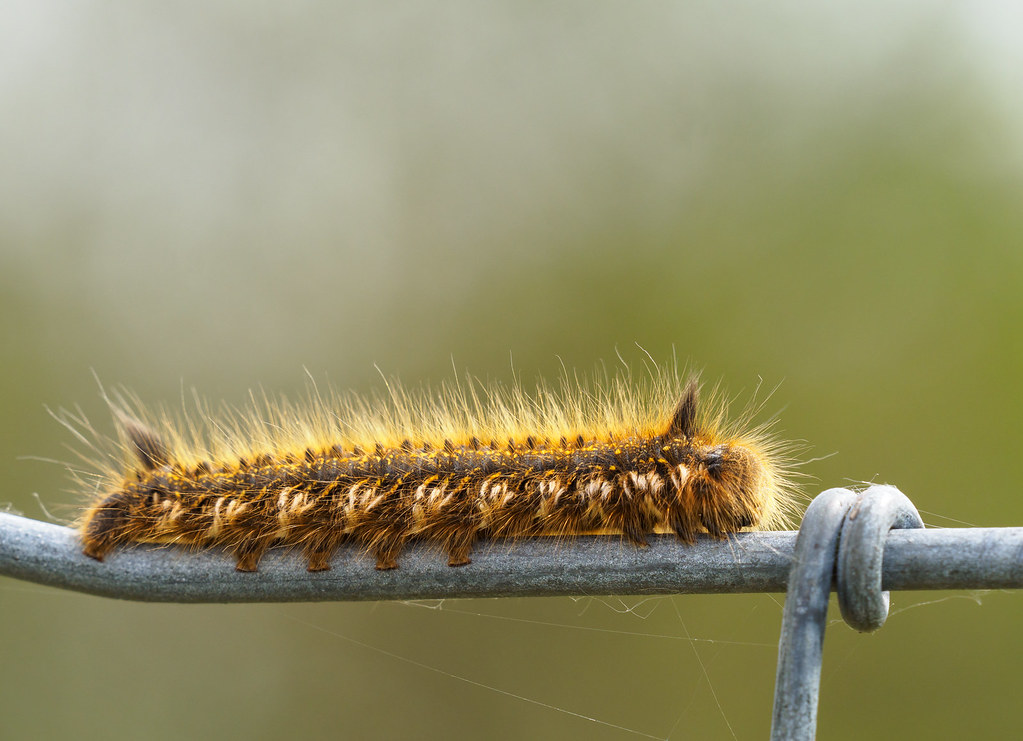 The drinker by Alf Branch, on Flickr
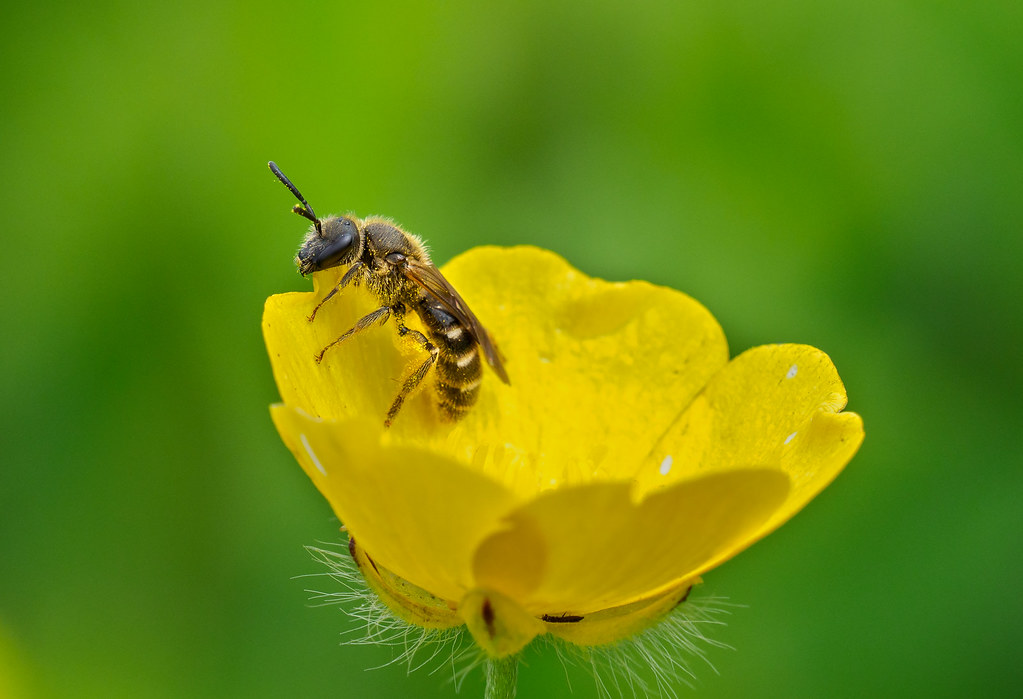 Tiny bee 3 by Alf Branch, on Flickr
 Tiny bee by Alf Branch, on Flickr
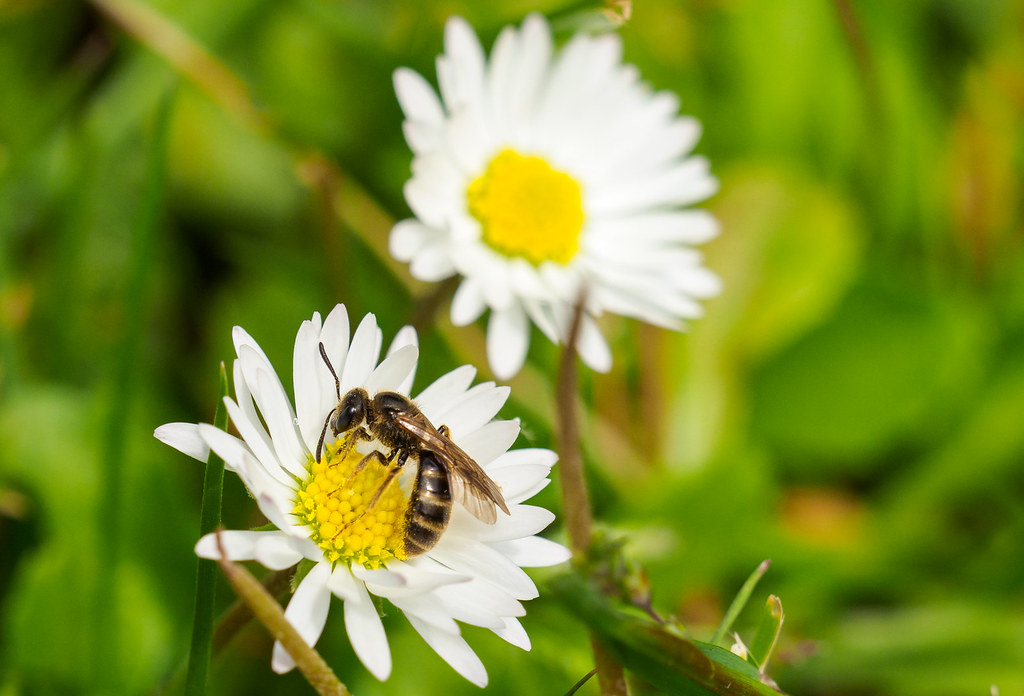 Tiny bee 2 by Alf Branch, on Flickr
 Orange tailed mining bee by Alf Branch, on Flickr
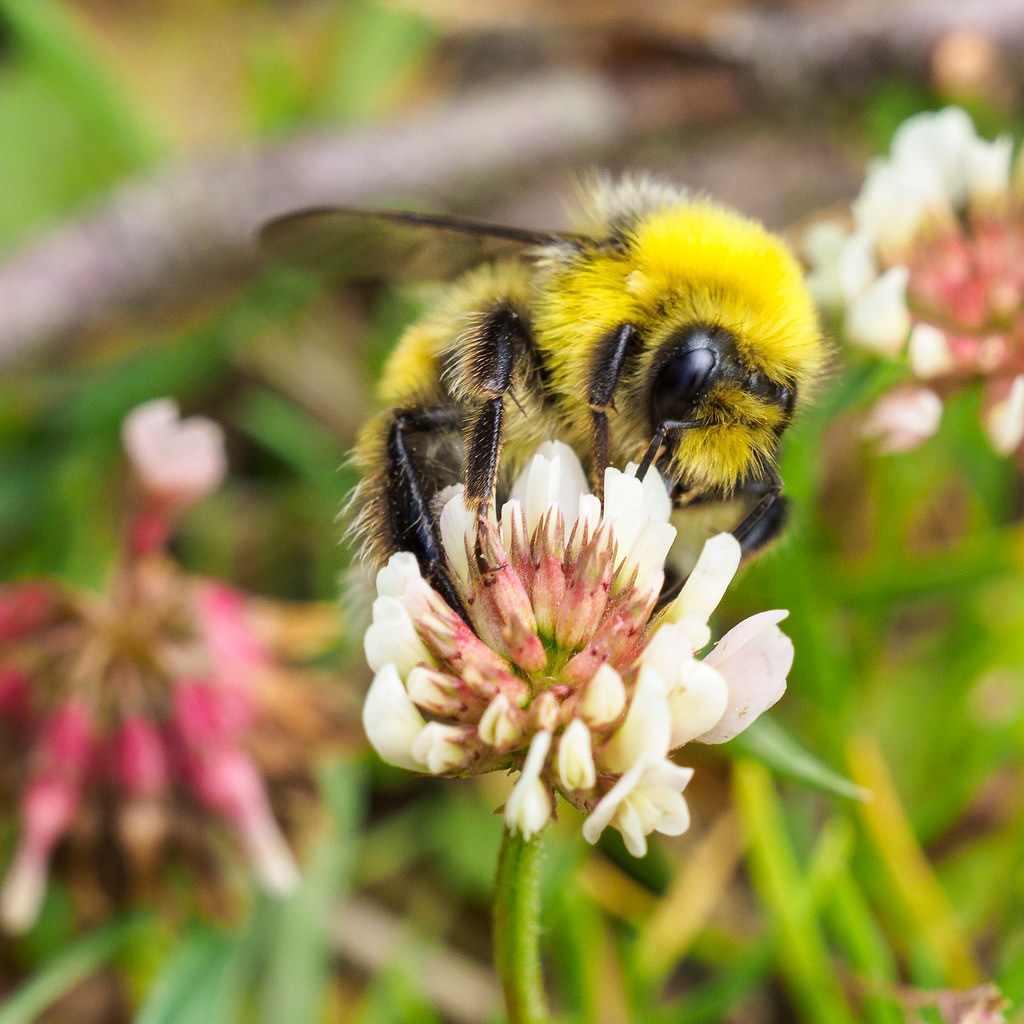 Bumble bee by Alf Branch, on Flickr

 Adder keeping lookout by Alf Branch, on Flickr
 Adder heading home by Alf Branch, on Flickr
Oh yeah, one other thing. I've been told that the pattern on the back of the head of an adder may be like a finger print and can be useful in identifying individuals. I think this is a current area of research so if you submit your sighting to the local Amphibian and Reptile Group they are particularly pleased with pictures of the animal's head.

This is true. And ideally the first couple of sections on the neck too. When I used to do UK field studies more than I do now, I could recognise up to 120 individuals Without reference that I came across year after year . I still can with my local populations, and some are still around after 30 years. Theres a few posts on here from about 10 years ago of a female I‘ve recorded from 1984. She’s still about.
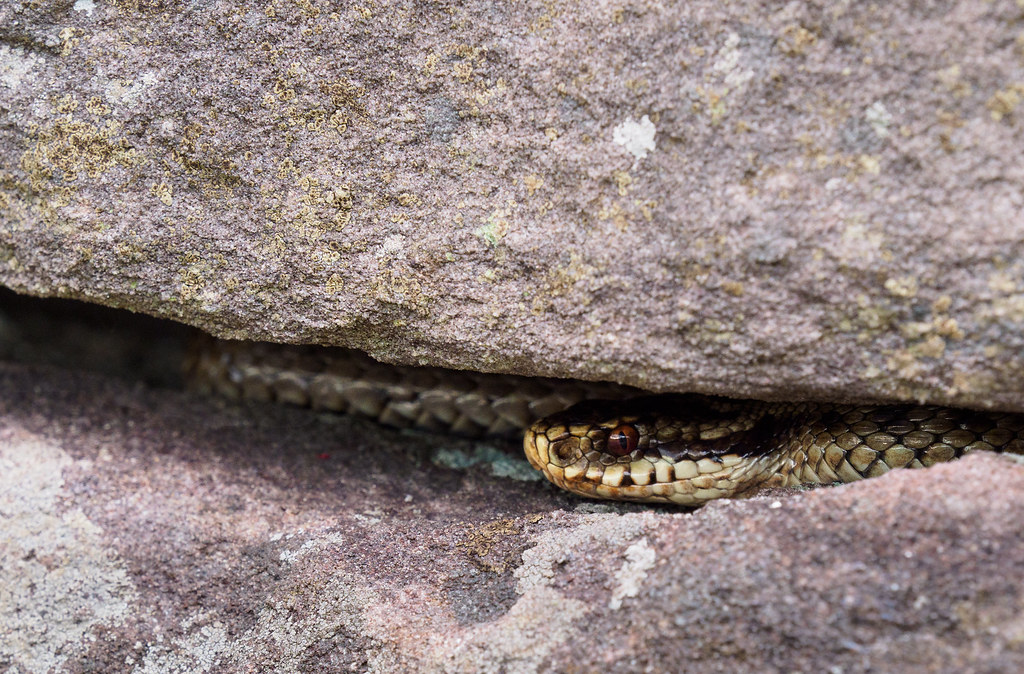 Adder in wall 1 by Alf Branch, on Flickr
 Adder in wall 2 by Alf Branch, on Flickr
 Adder in wall 3 by Alf Branch, on Flickr
Beautiful. Love that first one. Male though. Not female. Although sexually dimorphic, sometimes you get males that skip a year or two in their mating behaviour and colour, and stay in their late Summer/Autumn colours. Again, that first picture captures an inquisitive adder perfectly. It’s one of the best pictures of an adder I’ve seen. And I’ve seen thousands. You’ve made my day.




One of last night's haul - Elephant Hawk Moth - I know they're common, but they are beautiful
View attachment 59671



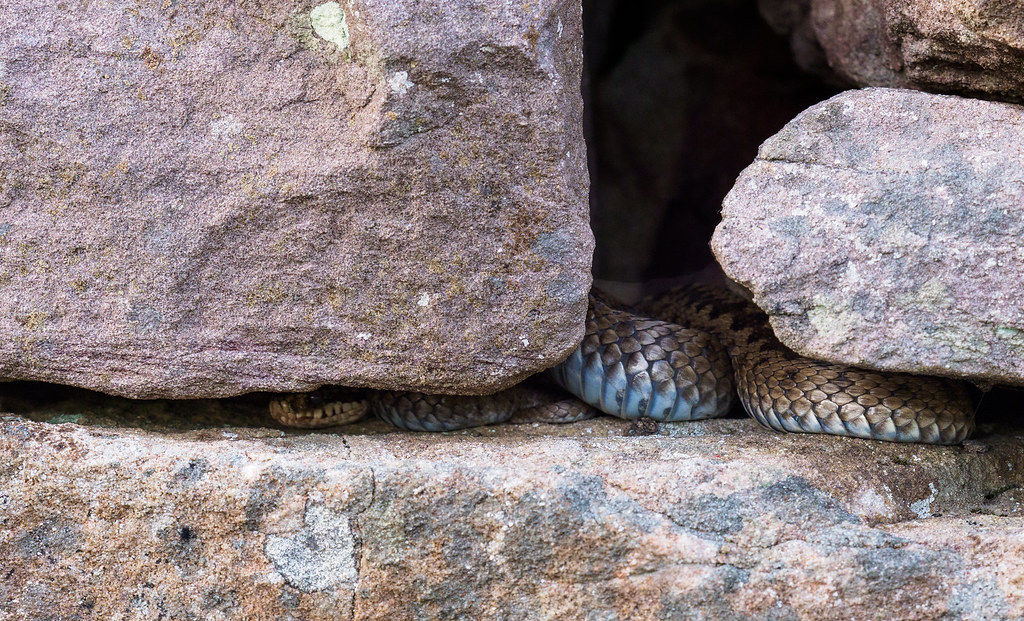 Adder in the wall