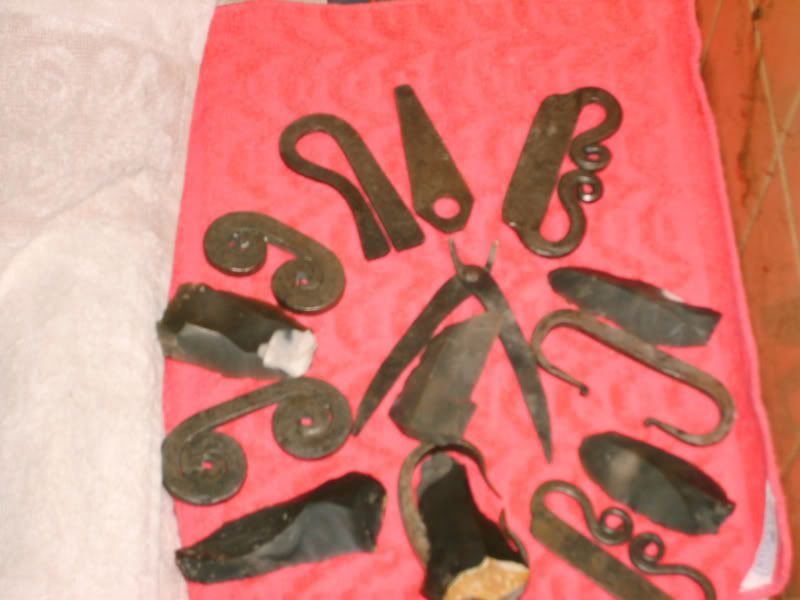
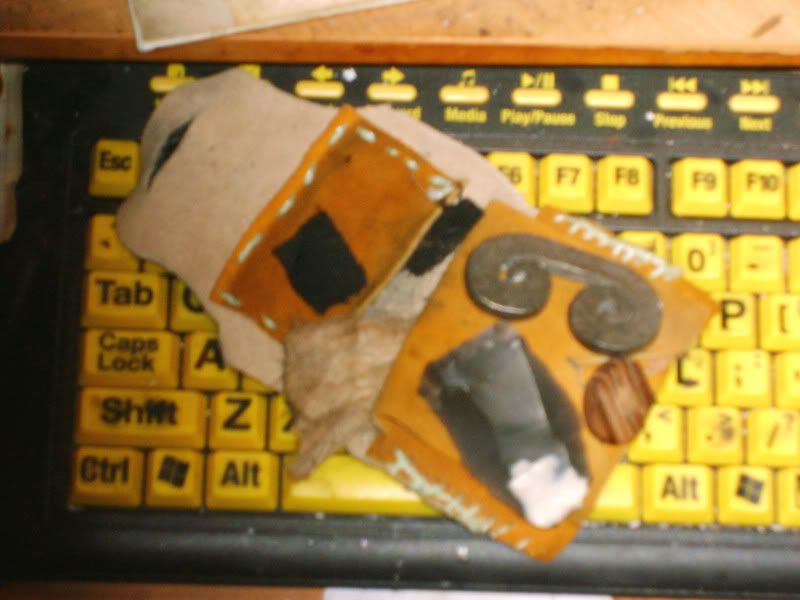
does anyone else find that the black looking flint works better with traditional steel than other flints why is this ? maybe its just me :werd:
The English gray/black flint does work very well. But personally I prefer the rootbeer colored flint from Knife River Montana. But I've also had very good luck with white flint from Missouri, light gray Texas chert, and even some of the flint/chert from the limestone cliffs here in NE Iowa.
This last year I've been playing around with some of that white Missouri flint, and I am very impressed. The grain structure does make it harder to knapp to shape, but I can get some pretty sharp edges, and they hold up very well in use. A friend is now knapping them into gunflints for use in flintlock rifles and muskets. They take a little more finish work to shape, but are holding up just as well as the English gray and French amber gun flints.
The key point is how thin/sharp of an edge you can get on the flint, and how well that edge holds up in use. The flint itself does not spark. And you can also use things like granite, slate, quartz, jasper, agate, etc. Any rock that you can get a sharp edge on. You can just get a thinner/sharper/harder edge on flint. The edges on the other rocks tend to be coarser, less sharp, and crumble faster in use. And obsidian is just too fragile to work well. It is just like trying to use glass, and crumbles almost immediately.
Flint is just a hard/sharp edge used to chip/dig out little bits of steel from your striker. The energy put into chipping/digging out those little bits of steel heats them up enough that the carbon burns That's the sparks you see.
Just my humble thoughts to share. Take them as such.
Mikey - that grumpy ol' blacksmith out in the Hinterlands


 Flint an steel, using charcloth. Also, some birch bark spills that are quite handy! I'll let you watch the videos, any questions, feel free to ask.


 I had a go with natural flint and iron pyrites with charcloth last week, failed, but made a nice little pile of powdered flint and pyrites