Dish washing in UK.

  • BushMoot: Come along to the amazing Summer Moot 31st July - 5th August (extended Moot : 27th July - 8th August), a festival of bushcrafting and camping in a beautiful woodland PLEASE CLICK HERE for more information.
Why? Because of cool and damp house?

Pretty much.
Cool, damp climate.
We don't leave damp stuff hanging around if we can avoid it at all.
67 humidity is the point at which mildew starts to thrive. Right now, my kitchen is showing 64, outside is 68.
That will ease off a bit inside shortly because the heating will be on, but it's supposed to rain tonight, so...
 
  • Like
Reactions: Herman30
I think that would just go mouldy here.
Never seen that happen most dishware drip dry quite fast and the residual moisture evaporates quickly especially if the plates are even a little bit warm. I always rinse with almost hot water.
 
I wash in soapy water (Ecover), don’t rinse and drip dry. Never have had a problem. To be honest I would feel bad wasting hot water for a random rinse. (Live in a house with no central heating and only hot tap is in the for the kitchen sink)
 
Never seen that happen most dishware drip dry quite fast and the residual moisture evaporates quickly especially if the plates are even a little bit warm. I always rinse with almost hot water.
But our houses/apartments are warmer and less damp than the old houses in UK. At least that is my understanding.
 
Why? Because of cool and damp house?

In the UK there is the tendency to have excessively insulated houses, gas heating, which makes for a very damp and condensation prone environment, so to drive out the condenation they have heating turned up to 20C and on almost constantly, with rising fuel prices some people are turning heating down and so damp is more of an issue nowadays

i dont get why people would want to live in a house heated to over 20C, my cave is 10-15 normally...
 
But our houses/apartments are warmer and less damp than the old houses in UK. At least that is my understanding.

Older houses in UK tend to have less damp from condensation, they might leak but thats different, old stone breathes if you dont have dampcoarse etc, and is also ,much healthier for respiratory condituons etc.
also old houses are generally cooler in summer and warmer in winter.....heating houses, thats just down to size but my 3 bed detached, about 200 years old costs about £700 a year for heating and hot water...because its firewood, if you have oil/gas/electric ranegs and full central heating because you dont like the idea of wearing a cardigan or jumper in winter, i expect it will be more.....
 
Hmmm ... present building regulations say minimum 250 mm mineral wool equivalent for single houses, many have 300 mm, 400 mm not unknown.
i meaning walls, windows and floor mostly i dont mind roof insulation otherwise heat would go straight up, its living in a plastic bubble thats the issue
 
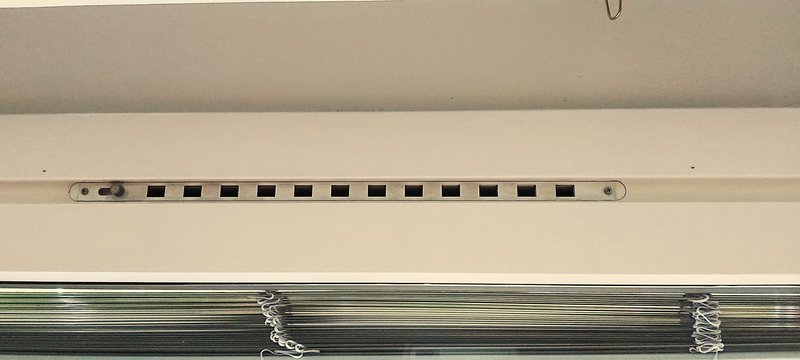
Most apartments in Finland have these air inlets above 1-2 windows. We have one above living room window and one above bedroom window. They can be closed but it is recommended to keep them open all year. Otherwise the ventilation sucking out will draw in air from where ever and cause a feel of draft.

 
My house is about forty five years old. It was built of bricks, with cavity wall insulation, and 15cm of rockwool in the loft. We have double glazing too.

But, I live in a very damp climate, and despite the fact that my house 'breathes', I live next to a burn, right next to a woodland, and yeah, it rains.

67% moisture is only driven out by heat, or as in our case, we use dehumidifiers....which give off heat as they pull in water :D

Breathing is a normal thing, we give out water vapour with every breath, if it can't get out of the house naturally, because it's wetter out than in, then we need to make it go out, iimmc ?

Old houses with open fires managed it fine, mostly. Damp corners, etc., created that characteristic smell that I still associate with the past.

I know a neighbour who was told to cut down the amount of breathing they did in the bedroom, just to try to stop the mould growing :rolleyes2: right enough that was forty years ago, and I won't tell you what she told the 'inspector' in reply about what she thought of what he did in his bedroom :)

M
 
  • Haha
Reactions: Chris
Most apartments in Finland have these air inlets above 1-2 windows. We have one above living room window and one above bedroom window. They can be closed but it is recommended to keep them open all year. Otherwise the ventilation sucking out will draw in air from where ever and cause a feel of draft.


If you do a building refurb under current Building Regs in UK then your new double-glazed windows will also required those vents. Along with insulation in walls (cavity plus insultation), floors and loft.

If you directly insulate a roof without a ceiling space, you must put upper and lower vents. Kitchen, utility room, all bathrooms/shower rooms must have extractor fans.

Of course, there's 2 issues with that (1) this only applies for jobs done under Buliding Regs approval and (2) it relies on a decent Building Regs inspector. Where I now live, the Local Authority Building Inspector was proper old-school who knew his stuff, knew all the local builders and made sure it was done properly. But as the Grenfell Tower enquiry shows, not all building work- especially in cities- has been quite so well scrutinized.....

GC
 
  • Like
Reactions: Toddy
Our new build is quite well insulated for temperature and sound. One of the few things they actually did a decent job of.

The insulation works both ways, of course. So when it’s really hot out, we can keep this space relatively cool - especially so with a fairly small plug-in aircon unit for the 30C+ days.
 
  • Like
Reactions: Toddy
67% moisture is only driven out by heat, or as in our case, we use dehumidifiers....which give off heat as they pull in water :D
Right, to be more specific moisture wants to go towards lower partial vapor (water as gas) pressure, that most often means that it goes from warmer to colder. The worst condition is warm torrential rain and coolish inside.
 
  • Like
Reactions: Toddy
I love comments like this.

It's like saying you wear nothing but a hat to keep warm else all the heat will go straight up....

well my house has got 2 to 3 ft thick stone walls but normally tile roof attic, fibre insulation then plaster ceiling......so more like if your already wearing a coat, you still need a hat.

but to use the coat analagy, lots of people say about venting clothing in winter to prevent moisture buildup under clothing...

also if youve ever done any work in a tyvek painters overall!!!
 
  • Haha
Reactions: Toddy
In the UK there is the tendency to have excessively insulated houses, gas heating, which makes for a very damp and condensation prone environment, so to drive out the condenation they have heating turned up to 20C and on almost constantly, with rising fuel prices some people are turning heating down and so damp is more of an issue nowadays

i dont get why people would want to live in a house heated to over 20C, my cave is 10-15 normally...
Excessively insulated eh?
Thats an interesting concept, can you give your understanding of it?
 

BCUK Shop

We have a a number of knives, T-Shirts and other items for sale.

SHOP HERE