
Medical Question and Answer quiz
- Thread starter TeeDee
- Start date
-
The awesome MakerMoot is coming up (13-15th Nov 2026), Visit the TORM & ARM markets,and have space back at camp to work on projects and enjoy great company. PLEASE CLICK HERE for more information.
You are using an out of date browser. It may not display this or other websites correctly.
You should upgrade or use an alternative browser.
You should upgrade or use an alternative browser.


Not tried this myself so I don't know how good they are:

 www.firstaidforfree.com
First Aid Quizzes - First Aid for Free
We've written these free first aid quizzes so you can test your knowledge of first aid & CPR. Each first aid quiz is free to take and will display your
www.firstaidforfree.com


@TeeDee
Do you want to take the test yourself or administer it to others?
The latter mostly - although I'm humble enough that I would also learn from it.
The latter mostly - although I'm humble enough that I would also learn from it.
I’m presuming that you have considered the DIY route.
I wonder if you were to put together a sequence of questions of ascending difficultly you could find someone to give you authoritative answers. As above: I’d go to my local First Aid Training centre.
If you did it with a bushcraft theme - from indigestion to chain saws - you’d have put together the very valuable asset that you are currently looking for.
I’m presuming that you have considered the DIY route.
I wonder if you were to put together a sequence of questions of ascending difficultly you could find someone to give you authoritative answers. As above: I’d go to my local First Aid Training centre.
If you did it with a bushcraft theme - from indigestion to chain saws - you’d have put together the very valuable asset that you are currently looking for.
I would.
But thats respectively a lot of work. And if there is one thing i've learnt from the digital age is someone else has normally already thought of it and put the work in already.


Asked ChatGPT, quite possibly a bad idea, but here goes.
Given it's limited to first aid questions, not much scope for difficulty I guess?

This is where I date myself like a Betamax video cassette in the digital age... I would have never thought of using ChatGPT - well done and thank you!

Medical Question and Answer quiz
Anyone got a good link to a Medical first aid question and multiple choice type quiz?? Something that ascends in order of difficulty and learning?
Thanks in advance.
(210).jpg)
Survival First Aid: Trivia Quiz!
Have you ever got into trouble while trekking or hiking on mountains or jungles? Did you show the presence of mind during an emergency? If yes, this quiz has been developed to test your knowledge and skills of a first aid survival test. See how you'd manage in an emergency. Good luck, and have fun!
I run first-aid refreshers for our hiking group and MCQs work best in short rounds that ramp up: basics first (ABC, bleeding), then scenarios like hypothermia, sprains, anaphylaxis. A quick timed question and a short why after each answer keeps people engaged and actually learning.
I run first-aid refreshers for our hiking group and MCQs work best in short rounds that ramp up: basics first (ABC, bleeding), then scenarios like hypothermia, sprains, anaphylaxis. A quick timed question and a short why after each answer keeps people engaged and actually learning.
As you've bumped this post ( In a positive way ) - if you feel inclined , please do feel free to run with it and put up some Q & As or scenarios.
I think even as thought exercises that would be useful , although some here seem to think its a bad idea believing it will be seen as Instruction.
So the old school Youtube advisory of ' For entertainment purposes only ' applies.
For ready-made sets, I use a site that’s been around since 2014 with a big library of realistic tests and clear explanations, plus an app for quick drills. I borrow items from a stna practice test there since the difficulty scales well and the explanations convert cleanly into teaching points.As you've bumped this post ( In a positive way ) - if you feel inclined , please do feel free to run with it and put up some Q & As or scenarios.
I think even as thought exercises that would be useful , although some here seem to think its a bad idea believing it will be seen as Instruction.
So the old school Youtube advisory of ' For entertainment purposes only ' applies.
I help run study sessions for a DPT group, and finding good multiple-choice questions that actually ramp up in difficulty is always a bit of a mission. A lot of first aid quizzes out there are either too basic or just don’t mimic real-life reasoning. What’s worked best for us is using in-depth question banks that focus on clinical scenarios and give clear reasoning for each answer, so it’s not just memorization but actual problem-solving.
If you're ever looking for something more tailored toward physical therapy topics or prepping students for standardized exams, it might be worth checking out a NPTE question bank. They’re pretty comprehensive and great for putting together challenging, scenario-based quizzes.
If you're ever looking for something more tailored toward physical therapy topics or prepping students for standardized exams, it might be worth checking out a NPTE question bank. They’re pretty comprehensive and great for putting together challenging, scenario-based quizzes.
Last edited:
Its a shame that we have been unable to find a suitable suggested course for this - a book for study followed by an aligned ascending multiple choice testing phase I would have thought would be a fairly logical combination to aid learning.
In education the classroom theory is often ( always as far as I'm aware ) at some point a test or exam to reflect level of learning.
In education the classroom theory is often ( always as far as I'm aware ) at some point a test or exam to reflect level of learning.
Grok FTW
Took less than a minute.
Basic First Aid Quiz
25 Multiple-Choice Questions
(Difficulty increases gradually: Questions 1–8 are foundational, 9–16 build on common procedures and decisions, 17–25 involve scenario-based judgment and advanced first-aid concepts.)
Question 1
What is the very first action you should take when approaching any emergency scene?
A. Check the victim’s breathing
B. Ensure the scene is safe for you and others
C. Call 911 immediately
D. Begin CPR
Question 2
What does the “A” in the ABCs of first aid stand for?
A. Airway
B. Assessment
C. Alert
D. Ambulance
Question 3
What is the universal sign that an adult is choking?
A. Clutching the stomach
B. Grasping the throat with both hands
C. Waving arms wildly
D. Coughing loudly
Question 4
For a minor cut or scrape, what should you do first after washing your hands?
A. Apply a tourniquet
B. Rinse the wound under clean running water
C. Apply antibiotic ointment immediately
D. Cover it with a dry sterile bandage
Question 5
How should you treat a minor burn (first-degree, red and painful but no blisters)?
A. Apply ice directly
B. Run cool (not cold) water over it for at least 10–20 minutes
C. Pop any blisters that form
D. Apply butter or oil
Question 6
What does the acronym RICE stand for when treating a sprain or strain?
A. Rest, Ice, Compression, Elevation
B. Run, Ice, Call, Exercise
C. Rest, Immobilize, Cold, Exercise
D. Recovery, Ice, Compression, Emergency
Question 7
When should you call 911 for a nosebleed?
A. Always, even for minor bleeds
B. If the bleeding lasts longer than 20 minutes after pinching the nose
C. Only if blood is coming from both nostrils
D. Never; nosebleeds are never emergencies
Question 8
What is the correct way to check for responsiveness in an adult?
A. Shake the shoulders and shout “Are you okay?”
B. Check the pulse first
C. Slap the face gently
D. Pour cold water on the person
Question 9
For severe bleeding that does not stop with direct pressure, what is the next step?
A. Apply a tourniquet immediately above the wound
B. Elevate the limb while continuing direct pressure
C. Apply a pressure bandage and continue pressure
D. Wash the wound with soap and water
Question 10
What is the correct compression-to-breath ratio for adult CPR when you are trained and willing to give breaths?
A. 15 compressions to 2 breaths
B. 30 compressions to 2 breaths
C. 5 compressions to 1 breath
D. 100 compressions with no breaths
Question 11
How fast should chest compressions be performed during CPR?
A. 60–80 per minute
B. 100–120 per minute
C. 80–100 per minute
D. As fast as possible
Question 12
When using an AED (automated external defibrillator), what is the first step after turning it on?
A. Begin CPR again immediately
B. Follow the voice prompts exactly
C. Apply pads only to bare, dry skin
D. Check the victim’s pulse again
Question 13
For a conscious adult who is choking and cannot cough or speak, what should you do?
A. Give 5 back blows followed by 5 abdominal thrusts
B. Give only abdominal thrusts
C. Slap the back repeatedly until they cough
D. Encourage them to drink water
Question 14
What are the early signs of shock?
A. Slow pulse, warm dry skin
B. Rapid weak pulse, pale cool clammy skin, confusion
C. High blood pressure, flushed skin
D. Normal breathing and alertness
Question 15
If someone has swallowed a poison and is conscious, what should you NOT do?
A. Call the Poison Control Center (1-800-222-1222 in the U.S.)
B. Try to induce vomiting unless instructed by a professional
C. Remove any remaining poison from the mouth
D. Monitor breathing and stay with the person
Question 16
How do you immobilize a suspected broken bone in the forearm before professional help arrives?
A. Splint it in the position found using a rigid object and secure with bandages
B. Try to pop the bone back into place
C. Massage the area to reduce swelling
D. Apply heat immediately
Question 17
A person is having a seizure. What is the most important action?
A. Put a spoon or wallet in their mouth to prevent biting the tongue
B. Protect their head from injury and clear the area of hazards
C. Restrain their arms and legs
D. Give them water or medication immediately
Question 18
You suspect a person is having a heart attack. They are conscious and have prescribed nitroglycerin. What should you do first?
A. Have them take aspirin (if not allergic) and call 911
B. Wait to see if symptoms improve
C. Give them nitroglycerin only if they have chest pain
D. Perform CPR immediately
Question 19
A person shows sudden one-sided weakness, slurred speech, and facial drooping. What do these FAST signs indicate?
A. Heart attack
B. Stroke
C. Seizure
D. Diabetic emergency
Question 20
A known diabetic person is conscious but confused, sweaty, and shaky. What is the safest immediate action?
A. Give them a sugary drink or glucose tablets
B. Give them insulin
C. Make them exercise
D. Withhold all food and call 911 only
Question 21
An unconscious adult is breathing normally with no signs of trauma. What position should you place them in?
A. On their back with legs elevated
B. Recovery (lateral) position
C. On their stomach
D. Sitting up
Question 22
A child is drowning and is pulled from the water. They are not breathing and have no pulse. What is the priority?
A. Perform 5 rescue breaths first, then CPR
B. Begin chest compressions immediately (30:2 ratio)
C. Wait for the lifeguard
D. Drain water from lungs by holding upside down
Question 23
You are alone with an unresponsive infant (under 1 year). You have checked for breathing and pulse (brachial) and found neither. What is the correct first action?
A. Call 911, then begin infant CPR (30:2 if alone)
B. Give 2 rescue breaths first
C. Perform only back blows
D. Wait 2 minutes before starting CPR
Question 24
A person has a deep puncture wound from a rusty nail and has not had a tetanus shot in over 10 years. What should you advise after controlling bleeding?
A. Clean the wound thoroughly and seek medical care for possible tetanus booster
B. Apply antibiotic ointment and cover it; no doctor needed
C. Ignore it if there is no pain
D. Soak the foot in hot water
Question 25
You arrive at a serious car accident. The driver is trapped, bleeding heavily from the leg, and the car is smoking. There are bystanders offering to help. What is the most correct sequence of actions?
A. Ensure scene safety, call 911 and report the situation, direct bystanders to apply pressure while you prepare a tourniquet if needed, monitor ABCs
B. Immediately crawl into the car to start CPR
C. Tell bystanders to move the driver
D. Focus only on stopping the bleeding and ignore calling for help
Answer Key with Explanations
1. B – Scene safety is always the first priority. You cannot help anyone if you become a victim yourself.
A is incorrect because you must assess safety before approaching. C and D skip the safety step and could endanger you.
2. A – Airway, Breathing, Circulation (ABCs) is the standard primary survey order.
B, C, and D are not the correct “A” in this critical first-aid acronym.
3. B – Grasping the throat is the internationally recognized choking signal.
A, C, and D are not the standard universal sign.
4. B – Cleaning with clean running water removes debris and reduces infection risk.
A is for life-threatening bleeding only. C and D come after cleaning.
5. B – Cool running water stops the burning process for minor burns.
A can cause further tissue damage. C risks infection. D is a harmful old myth.
6. A – Rest, Ice, Compression, Elevation is the standard protocol for musculoskeletal injuries.
B, C, and D contain incorrect steps.
7. B – Persistent bleeding beyond 20 minutes after proper pinching requires professional care.
A is unnecessary for minor nosebleeds. C and D are false.
8. A – Tap/shake shoulders and shout is the standard way to check responsiveness.
B, C, and D are incorrect or potentially harmful first steps.
9. C – Continue direct pressure and add a pressure bandage before considering a tourniquet.
A is a last resort. B helps but is secondary. D is not for active severe bleeding.
10. B – Current guidelines (AHA/Red Cross) are 30:2 for trained rescuers giving breaths.
A is outdated pediatric ratio. C and D are incorrect.
11. B – 100–120 compressions per minute allows adequate blood flow.
A and C are too slow. D risks fatigue and shallow compressions.
12. B – AEDs are designed to be used by laypeople; voice prompts guide every step.
A, C, and D are important but not the immediate first step after powering on.
13. A – Back blows + abdominal thrusts (Heimlich) is the correct sequence for conscious choking adults.
B skips back blows. C and D are ineffective or dangerous.
14. B – Rapid weak pulse, pale cool clammy skin, and confusion are classic early shock signs.
A, C, and D are opposite of shock physiology.
15. B – Inducing vomiting can cause more harm with some poisons (e.g., corrosives).
A, C, and D are all correct actions.
16. A – Splint in the position found to prevent further damage.
B, C, and D can worsen the injury.
17. B – Protect from injury and clear hazards; do not restrain or insert objects.
A, C, and D are dangerous myths that can cause injury or choking.
18. A – Aspirin (if not contraindicated) + immediate 911 call is first-line for suspected heart attack.
B delays care. C and D are out of sequence.
19. B – FAST (Face, Arms, Speech, Time) is the stroke recognition tool.
A, C, and D have different symptom patterns.
20. A – Low blood sugar (hypoglycemia) in a conscious diabetic is treated with fast-acting sugar.
B is for high blood sugar. C and D are harmful.
21. B – Recovery position keeps the airway open and allows drainage if vomiting occurs.
A, C, and D can obstruct the airway or be unsafe.
22. A – For drowning victims, start with 5 rescue breaths because hypoxia is the primary issue.
B is standard land CPR. C and D are incorrect.
23. A – For a single rescuer with an infant, call 911 first (if alone), then begin 30:2 CPR.
B, C, and D are incorrect priorities or techniques.
24. A – Puncture wounds from dirty objects require medical evaluation for tetanus and infection.
B, C, and D underestimate the risk of tetanus and deep infection.
25. A – Scene safety, activate EMS with accurate information, direct bystanders to help with bleeding control, and prepare for tourniquet if needed while monitoring ABCs.
B, C, and D risk further harm or delay critical help.
Took less than a minute.
Basic First Aid Quiz
25 Multiple-Choice Questions
(Difficulty increases gradually: Questions 1–8 are foundational, 9–16 build on common procedures and decisions, 17–25 involve scenario-based judgment and advanced first-aid concepts.)
Question 1
What is the very first action you should take when approaching any emergency scene?
A. Check the victim’s breathing
B. Ensure the scene is safe for you and others
C. Call 911 immediately
D. Begin CPR
Question 2
What does the “A” in the ABCs of first aid stand for?
A. Airway
B. Assessment
C. Alert
D. Ambulance
Question 3
What is the universal sign that an adult is choking?
A. Clutching the stomach
B. Grasping the throat with both hands
C. Waving arms wildly
D. Coughing loudly
Question 4
For a minor cut or scrape, what should you do first after washing your hands?
A. Apply a tourniquet
B. Rinse the wound under clean running water
C. Apply antibiotic ointment immediately
D. Cover it with a dry sterile bandage
Question 5
How should you treat a minor burn (first-degree, red and painful but no blisters)?
A. Apply ice directly
B. Run cool (not cold) water over it for at least 10–20 minutes
C. Pop any blisters that form
D. Apply butter or oil
Question 6
What does the acronym RICE stand for when treating a sprain or strain?
A. Rest, Ice, Compression, Elevation
B. Run, Ice, Call, Exercise
C. Rest, Immobilize, Cold, Exercise
D. Recovery, Ice, Compression, Emergency
Question 7
When should you call 911 for a nosebleed?
A. Always, even for minor bleeds
B. If the bleeding lasts longer than 20 minutes after pinching the nose
C. Only if blood is coming from both nostrils
D. Never; nosebleeds are never emergencies
Question 8
What is the correct way to check for responsiveness in an adult?
A. Shake the shoulders and shout “Are you okay?”
B. Check the pulse first
C. Slap the face gently
D. Pour cold water on the person
Question 9
For severe bleeding that does not stop with direct pressure, what is the next step?
A. Apply a tourniquet immediately above the wound
B. Elevate the limb while continuing direct pressure
C. Apply a pressure bandage and continue pressure
D. Wash the wound with soap and water
Question 10
What is the correct compression-to-breath ratio for adult CPR when you are trained and willing to give breaths?
A. 15 compressions to 2 breaths
B. 30 compressions to 2 breaths
C. 5 compressions to 1 breath
D. 100 compressions with no breaths
Question 11
How fast should chest compressions be performed during CPR?
A. 60–80 per minute
B. 100–120 per minute
C. 80–100 per minute
D. As fast as possible
Question 12
When using an AED (automated external defibrillator), what is the first step after turning it on?
A. Begin CPR again immediately
B. Follow the voice prompts exactly
C. Apply pads only to bare, dry skin
D. Check the victim’s pulse again
Question 13
For a conscious adult who is choking and cannot cough or speak, what should you do?
A. Give 5 back blows followed by 5 abdominal thrusts
B. Give only abdominal thrusts
C. Slap the back repeatedly until they cough
D. Encourage them to drink water
Question 14
What are the early signs of shock?
A. Slow pulse, warm dry skin
B. Rapid weak pulse, pale cool clammy skin, confusion
C. High blood pressure, flushed skin
D. Normal breathing and alertness
Question 15
If someone has swallowed a poison and is conscious, what should you NOT do?
A. Call the Poison Control Center (1-800-222-1222 in the U.S.)
B. Try to induce vomiting unless instructed by a professional
C. Remove any remaining poison from the mouth
D. Monitor breathing and stay with the person
Question 16
How do you immobilize a suspected broken bone in the forearm before professional help arrives?
A. Splint it in the position found using a rigid object and secure with bandages
B. Try to pop the bone back into place
C. Massage the area to reduce swelling
D. Apply heat immediately
Question 17
A person is having a seizure. What is the most important action?
A. Put a spoon or wallet in their mouth to prevent biting the tongue
B. Protect their head from injury and clear the area of hazards
C. Restrain their arms and legs
D. Give them water or medication immediately
Question 18
You suspect a person is having a heart attack. They are conscious and have prescribed nitroglycerin. What should you do first?
A. Have them take aspirin (if not allergic) and call 911
B. Wait to see if symptoms improve
C. Give them nitroglycerin only if they have chest pain
D. Perform CPR immediately
Question 19
A person shows sudden one-sided weakness, slurred speech, and facial drooping. What do these FAST signs indicate?
A. Heart attack
B. Stroke
C. Seizure
D. Diabetic emergency
Question 20
A known diabetic person is conscious but confused, sweaty, and shaky. What is the safest immediate action?
A. Give them a sugary drink or glucose tablets
B. Give them insulin
C. Make them exercise
D. Withhold all food and call 911 only
Question 21
An unconscious adult is breathing normally with no signs of trauma. What position should you place them in?
A. On their back with legs elevated
B. Recovery (lateral) position
C. On their stomach
D. Sitting up
Question 22
A child is drowning and is pulled from the water. They are not breathing and have no pulse. What is the priority?
A. Perform 5 rescue breaths first, then CPR
B. Begin chest compressions immediately (30:2 ratio)
C. Wait for the lifeguard
D. Drain water from lungs by holding upside down
Question 23
You are alone with an unresponsive infant (under 1 year). You have checked for breathing and pulse (brachial) and found neither. What is the correct first action?
A. Call 911, then begin infant CPR (30:2 if alone)
B. Give 2 rescue breaths first
C. Perform only back blows
D. Wait 2 minutes before starting CPR
Question 24
A person has a deep puncture wound from a rusty nail and has not had a tetanus shot in over 10 years. What should you advise after controlling bleeding?
A. Clean the wound thoroughly and seek medical care for possible tetanus booster
B. Apply antibiotic ointment and cover it; no doctor needed
C. Ignore it if there is no pain
D. Soak the foot in hot water
Question 25
You arrive at a serious car accident. The driver is trapped, bleeding heavily from the leg, and the car is smoking. There are bystanders offering to help. What is the most correct sequence of actions?
A. Ensure scene safety, call 911 and report the situation, direct bystanders to apply pressure while you prepare a tourniquet if needed, monitor ABCs
B. Immediately crawl into the car to start CPR
C. Tell bystanders to move the driver
D. Focus only on stopping the bleeding and ignore calling for help
Answer Key with Explanations
1. B – Scene safety is always the first priority. You cannot help anyone if you become a victim yourself.
A is incorrect because you must assess safety before approaching. C and D skip the safety step and could endanger you.
2. A – Airway, Breathing, Circulation (ABCs) is the standard primary survey order.
B, C, and D are not the correct “A” in this critical first-aid acronym.
3. B – Grasping the throat is the internationally recognized choking signal.
A, C, and D are not the standard universal sign.
4. B – Cleaning with clean running water removes debris and reduces infection risk.
A is for life-threatening bleeding only. C and D come after cleaning.
5. B – Cool running water stops the burning process for minor burns.
A can cause further tissue damage. C risks infection. D is a harmful old myth.
6. A – Rest, Ice, Compression, Elevation is the standard protocol for musculoskeletal injuries.
B, C, and D contain incorrect steps.
7. B – Persistent bleeding beyond 20 minutes after proper pinching requires professional care.
A is unnecessary for minor nosebleeds. C and D are false.
8. A – Tap/shake shoulders and shout is the standard way to check responsiveness.
B, C, and D are incorrect or potentially harmful first steps.
9. C – Continue direct pressure and add a pressure bandage before considering a tourniquet.
A is a last resort. B helps but is secondary. D is not for active severe bleeding.
10. B – Current guidelines (AHA/Red Cross) are 30:2 for trained rescuers giving breaths.
A is outdated pediatric ratio. C and D are incorrect.
11. B – 100–120 compressions per minute allows adequate blood flow.
A and C are too slow. D risks fatigue and shallow compressions.
12. B – AEDs are designed to be used by laypeople; voice prompts guide every step.
A, C, and D are important but not the immediate first step after powering on.
13. A – Back blows + abdominal thrusts (Heimlich) is the correct sequence for conscious choking adults.
B skips back blows. C and D are ineffective or dangerous.
14. B – Rapid weak pulse, pale cool clammy skin, and confusion are classic early shock signs.
A, C, and D are opposite of shock physiology.
15. B – Inducing vomiting can cause more harm with some poisons (e.g., corrosives).
A, C, and D are all correct actions.
16. A – Splint in the position found to prevent further damage.
B, C, and D can worsen the injury.
17. B – Protect from injury and clear hazards; do not restrain or insert objects.
A, C, and D are dangerous myths that can cause injury or choking.
18. A – Aspirin (if not contraindicated) + immediate 911 call is first-line for suspected heart attack.
B delays care. C and D are out of sequence.
19. B – FAST (Face, Arms, Speech, Time) is the stroke recognition tool.
A, C, and D have different symptom patterns.
20. A – Low blood sugar (hypoglycemia) in a conscious diabetic is treated with fast-acting sugar.
B is for high blood sugar. C and D are harmful.
21. B – Recovery position keeps the airway open and allows drainage if vomiting occurs.
A, C, and D can obstruct the airway or be unsafe.
22. A – For drowning victims, start with 5 rescue breaths because hypoxia is the primary issue.
B is standard land CPR. C and D are incorrect.
23. A – For a single rescuer with an infant, call 911 first (if alone), then begin 30:2 CPR.
B, C, and D are incorrect priorities or techniques.
24. A – Puncture wounds from dirty objects require medical evaluation for tetanus and infection.
B, C, and D underestimate the risk of tetanus and deep infection.
25. A – Scene safety, activate EMS with accurate information, direct bystanders to help with bleeding control, and prepare for tourniquet if needed while monitoring ABCs.
B, C, and D risk further harm or delay critical help.
I didn’t really review the above for accuracy. And it can certainly be tweaked. AI Products are all about how good your prompts and questions are.
Yep. I think that is the general issue with A.I produced content. It will be interesting to see how more informed people review those answers and see what the consensus is.
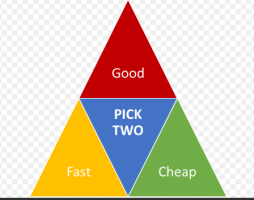
Makes me think of this - not wishing to be putting an downer on your efforts but more my anticipation of AI produced content.Grok FTW
Took less than a minute.
Similar threads


- Replies
- 59
- Views
- 4K

- Replies
- 8
- Views
- 318


- Replies
- 24
- Views
- 522

