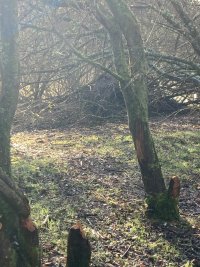
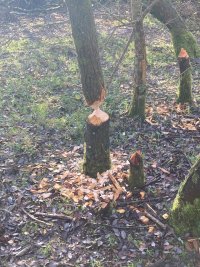
Wonderful thing to see.I haven’t, the estate team do. The damn is on a footpath and people do watch the beavers working on summer evenings.
How's that going to help the bird and small mammal stocks ?, they're under pressure already due to lack of viable habitat and food sources. Bet the wildcats don't go for the mink!Wild cats to be reintroduced to Devon
![]()
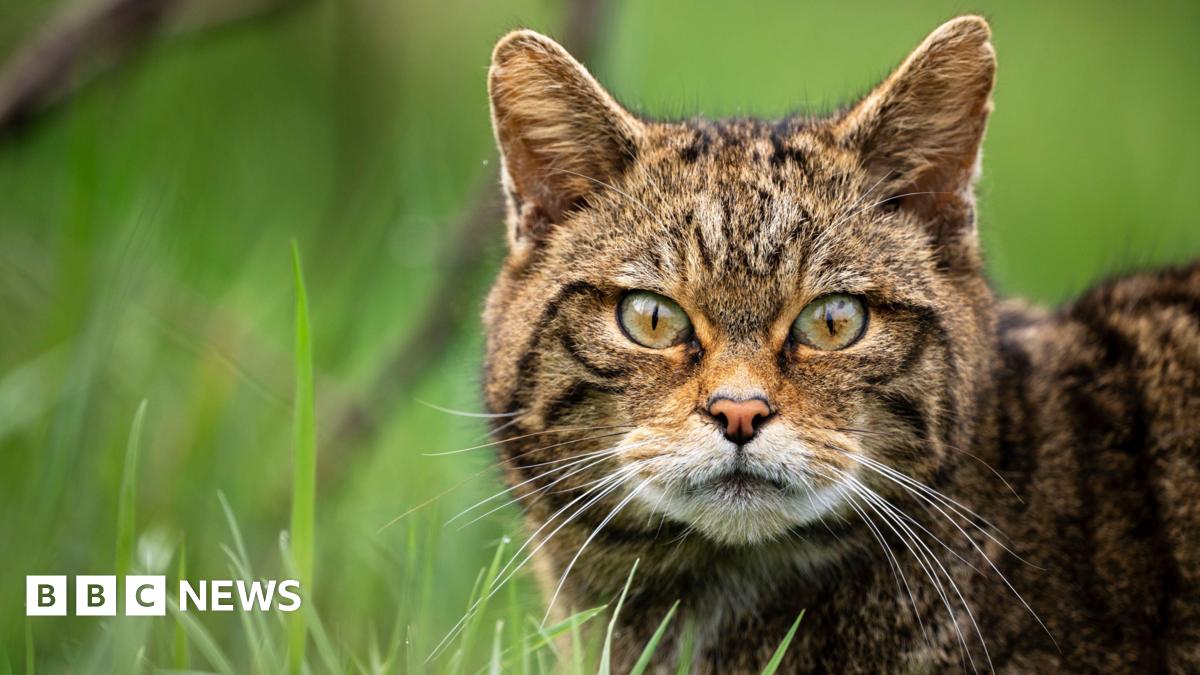
Once-extinct European wildcats set to make a comeback in England
Fifty wildcats could be reintroduced to the countryside in south west England, conservationists say.www.bbc.co.uk
Domestic moggies take a huge amount of small birds and so on.How's that going to help the bird and small mammal stocks ?, they're under pressure already due to lack of viable habitat and food sources. Bet the wildcats don't go for the mink!
How's that going to help the bird and small mammal stocks ?, they're under pressure already due to lack of viable habitat and food sources. Bet the wildcats don't go for the mink!
There are estimated to be 1.5 million feral cats in the UK, not household but feral. To put that in context, there are only about 250,000 foxes, and 300,000 badgers. Household cat numbers are estimated at 10.5 million. It's ridiculous and something should be done![]()
I respect your honest view. Its a very difficult question to answer.I confess, I don't have (an acceptable) one. I think we need to restrict numbers going forward somehow but it's too emotive a subject to get any traction I suspect.
We have members of our group, that are managing land for biodiversity, won't cull grey squirrel to protect the sapling regeneration but, at the same time, are happy that their moggies kill field voles, bank voles, shrews, yellow-necked mice, wood mice, and birds.
I just don't understand the logic![]()
Who will be doing this and how will they be funded?For feral cats: Trap, neuter, return (TNR). Over time the population reduces naturally, and the cats also have a better life. Win-win. Also need to be careful about reducing the population too much given the level of food available for rats and mice, especially in urban areas.