
Silver Birch in the Field: How Conditions Affect Its Use
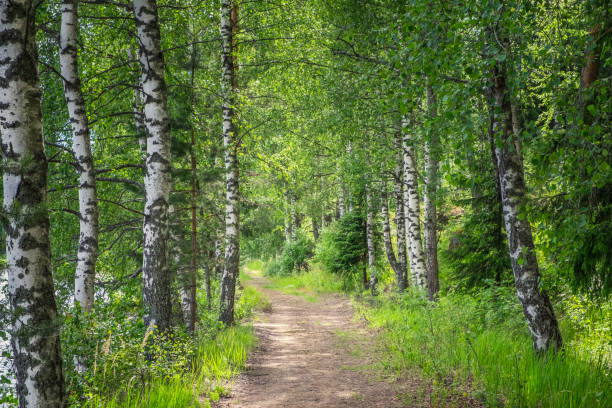
Silver birch (Betula pendula) is one of the most familiar and useful trees in bushcraft, but in real field conditions it is not a fixed or predictable resource.
Most descriptions focus on what birch can be used for. Well, in field situations, it is often more useful to understand why it behaves differently depending on conditions. Season, weather, and where it grows all affect how reliable it is when you actually use it outdoors.
The notes below are simple field observations on how those conditions affect its usefulness.
Temperature and Seasonal Change
Temperature has a clear effect on how birch behaves in the field.
In cold conditions, the tree slows down. Less moisture moves through the wood, and standing dead birch often dries more evenly. This is why winter and early spring usually provide the most reliable fire materials. At this stage, the bark is dry, stable, and easy to break down into fine ignition pieces.
As temperatures rise in spring, the tree becomes active again. Sap starts to flow , and the wood holds more internal moisture. Because of this, material that worked well in winter can feel softer or slightly damp, and it becomes less consistent in use.
In simple terms, temperature doesn’t just affect how birch grows, it affects how reliable it is when you actually need it in the field.
Soil Moisture and Ground Conditions
Soil moisture has a strong effect on how birch grows and how useful it is in the field.
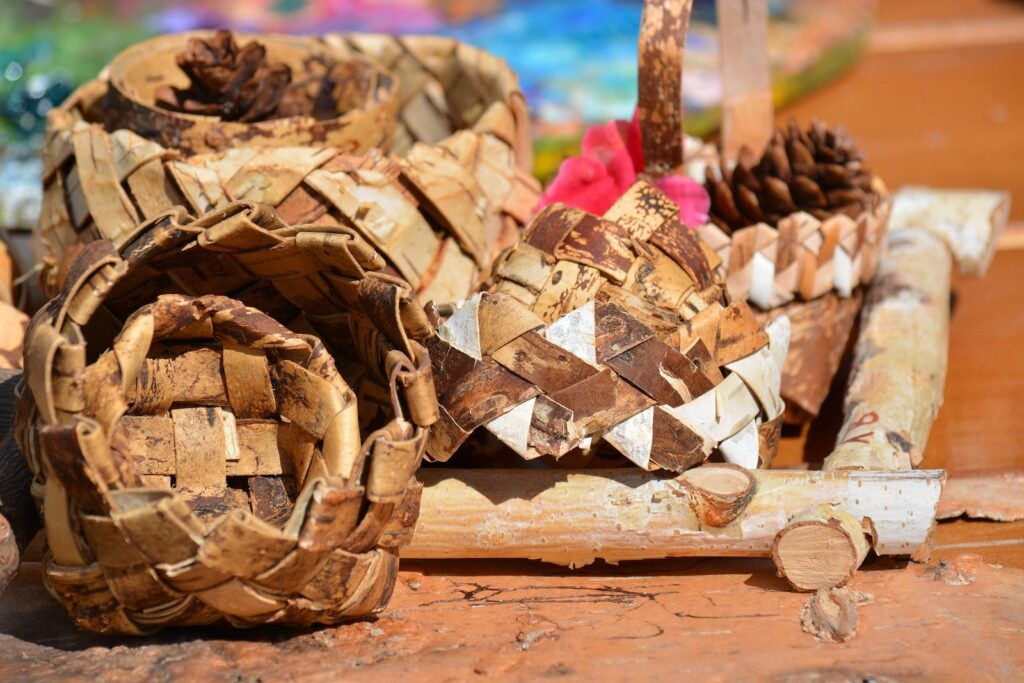
Birch growing in wetter ground tends to grow faster, but the wood often holds more moisture inside. This can make it slower to dry and less reliable for friction fire work.
Trees growing in well-drained soil usually produce slightly denser, more stable wood. This often translates into better carving performance and more predictable burning.
Very wet ground can also speed up decay once the tree has died. Because of this, even standing dead birch may lose usable bark sooner than expected.
Where the tree grows has a direct effect on how dependable it is when you come to use it outdoors.
Soil Activity and Tree Behaviour
Soil is not just a growing medium; it actively shapes the tree.
Highly active soils with strong microbial life tend to support faster growth. Birch responds well to this, but rapid growth often results in less dense wood and more variable internal moisture.
This is important in practice because fast-growing birch can look healthy but behave inconsistently when used for firelighting or fine carving tasks.
Slower-growing trees in more stable ground conditions often produce more predictable material, especially when it comes to splitting, drying, and burning.
Climate and Regional Differences
Climate has a long-term effect on how birch develops.
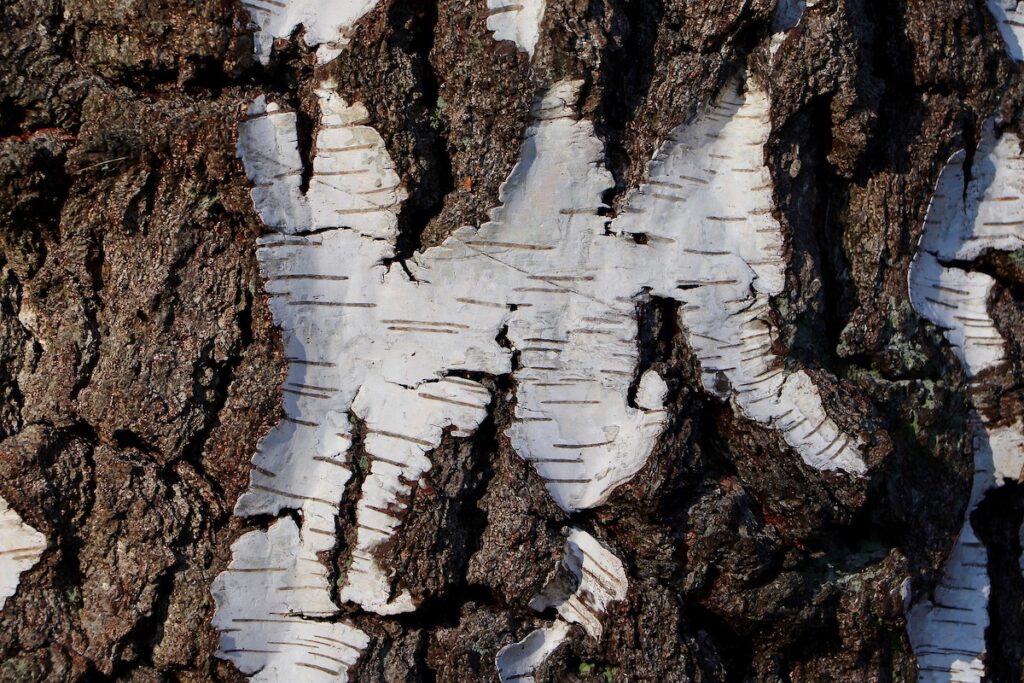
In colder northern regions, birch often forms thicker bark as protection against frost and wind. This can improve fire performance, as thicker bark tends to peel in more usable layers.
In milder, wetter climates, bark is often thinner and more flexible. While still useful, it may not separate as cleanly or store as well in damp conditions.
Wind exposure also plays a role. Exposed trees tend to grow more slowly but develop tighter grain and more weather-resistant bark. Sheltered trees may grow faster, but with more variation in quality.
This means that two birch trees only a short distance apart can behave very differently in use.
What This Means in the Field
When these factors come together, a clear pattern starts to appear:
– Cold conditions usually improve fire reliability,
– Wet soils make bark and wood more inconsistent,
– Fast growth can reduce how predictable the material is,
– Climate and exposure affect bark thickness and how usable it is.
The main point is that birch is not the same everywhere. It changes depending on where and how it grows.
Being able to recognise these differences in the field is often more useful than simply memorising lists of uses.
Working With Birch Safely
Because birch changes depending on its condition, good use comes down to what you notice in the field.
Standing dead trees are usually the most reliable source of fire material. Living trees should only be used sparingly and with care, especially when taking bark or sap.
Timing also matters, particularly with sap collection, where both the amount you get and the effect on the tree depend on when it is done.
Using the tree responsibly reduces damage and also makes your work more efficient in the field.
What to Remember
Silver birch is often described as one of the most useful trees in bushcraft, but its real value becomes clearer when you start paying attention to how it changes with the environment and season.
Temperature, soil conditions, and climate all influence how it grows and how it performs when used.
Once you recognise these patterns, birch becomes more than a list of uses; it becomes a material you can read and work with more effectively in real outdoor situations.
Author
Serge holds a BSc in Plant Biology and an MSc in Environmental Biology and Biogeochemistry. His postgraduate field research involved working directly with Silver Birch trees in open-air experimental plots, studying how environmental conditions including temperature, soil moisture, and atmospheric chemistry affect tree growth and ecosystem responses. He writes about plant science and ecology at plantbio.org.