No Mow May

  • BushMoot: Come along to the amazing Summer Moot 31st July - 5th August (extended Moot : 27th July - 8th August), a festival of bushcrafting and camping in a beautiful woodland PLEASE CLICK HERE for more information.
We have some small areas of garden that we leave 'wild' year round, especially around the edges - we don't see the point in strimming to make the bottom of the fences look nice when we could just leave it as habitat. Main garden itself we do 'no mow may', though we usually leave it from mid-April through to the first week of June.

I'm no ecologist, so won't claim to know more than anyone here on the matter, but the way I see it is that we constantly have useful habitat around the edge of the garden and then we give an extra bonus month in the main grass for the pollinators in May. Have noticed more bees buzzing about the lawn in the years since we've doing it.
 
  • Like
Reactions: Toddy and Broch
I'm no ecologist,
I am :) Intermediate Disturbance Hypothesis suggests that species diversity peaks when disturbance events are neither too frequent or too rare. In this case the disturbance is mowing.

Having said that, No Mow May is really just an engagement catchphrase to encourage people to do something for wildlife in their patch. There really is no right or wrong way to do it but doing something is better than the status quo. If everyone did it then just the fuel/energy saving alone would be beneficial.

If you do let the grass grow a bit longer then the guidance is to cut it from the centre outwards leaving refuge areas etc rather than just mincing all the wildlife in one go.
 
I’m trying to remember the name of aTV programme that looked at the bee population visiting three different gardens:
One formal and somewhat sterile layout.
One planted with mixed annuals, perennials and shrubs.
The third was just left wild.

?Surprisingly? It was the mixed planting that attracted the most bees and other pollinators. The wild garden lagged quite a way.

On the other hand there is more to consider than bees. Who knows what the tussocks in the unmanaged garden encouraged.
 
  • Like
Reactions: Toddy
Variety is definitely the spice of life when it comes to ecosystems, wildlife and biodiversity.

However, there is a fine balance between trying to cram too many habitats into a small area and having a size of habitat that represents a more natural structure.

Left wild can be quite sterile if it's a monoculture; managed wild is usually more biodiverse.
 
  • Like
Reactions: Toddy and Pattree
I am :) Intermediate Disturbance Hypothesis suggests that species diversity peaks when disturbance events are neither too frequent or too rare. In this case the disturbance is mowing.
Interesting, I wouldn't mind some general advice about our fields but am wary as the various wild life bods I've met down here nave quite narrow views.

I understand the reason for 'no mow may' but did find it mildly annoying as we often don't mow anything until may and then need to mow the odd path or area of long grass we've left for winter. But having a couple of acres of old pasture that's often not cut for years I know it's not aimed at us.

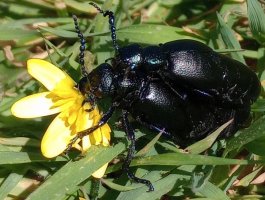
I certainly agree with a range of habitats, in the very long piles of grass that have not been cut for years we get overwintering bumble bees for example but the oil beetles that are out and about now like the short grass on the compacted paths.

I also find cutting the grass needs a lot of planning as we have so much wild life, there's lizards everywhere during the summer.
 
  • Love
  • Like
Reactions: Broch and Toddy
Interesting, I wouldn't mind some general advice about our fields but am wary as the various wild life bods I've met down here nave quite narrow views.

I understand the reason for 'no mow may' but did find it mildly annoying as we often don't mow anything until may and then need to mow the odd path or area of long grass we've left for winter. But having a couple of acres of old pasture that's often not cut for years I know it's not aimed at us.

I certainly agree with a range of habitats, in the very long piles of grass that have not been cut for years we get overwintering bumble bees for example but the oil beetles that are out and about now like the short grass on the compacted paths.

I also find cutting the grass needs a lot of planning as we have so much wild life, there's lizards everywhere during the summer.

It's a shame you're not closer as I think you'd get a lot of value out of our habitat management group :(
 
  • Like
Reactions: slowworm
It's a shame you're not closer as I think you'd get a lot of value out of our habitat management group :(
We a bit of an oasis in an ecological desert. Anyway, a pic of this years, and possibly next years in the making, oil beetles. Shows the use of shortish grass with lots of flowers at this time of year.IMG_20260406_124138260~2.jpg
 
  • Like
Reactions: Broch and Toddy

BCUK Shop

We have a a number of knives, T-Shirts and other items for sale.

SHOP HERE