
Review: Gregory Alpaca Gear & Camp Boxes

Gregory Alpaca Hard Boxes: The Storage You Can Stand On (Literally)
Most storage boxes fall into two categories.
They’re either cheap and flimsy, cracking the first time they’re dropped… or “good enough”, lasting a while but never quite inspiring confidence.
And then there are the Gregory Alpaca hard boxes. These are boxes you can stand on, sit on around the fire, drag through mud, dunk in water, and still trust with your most important kit.
That’s what this review is about.
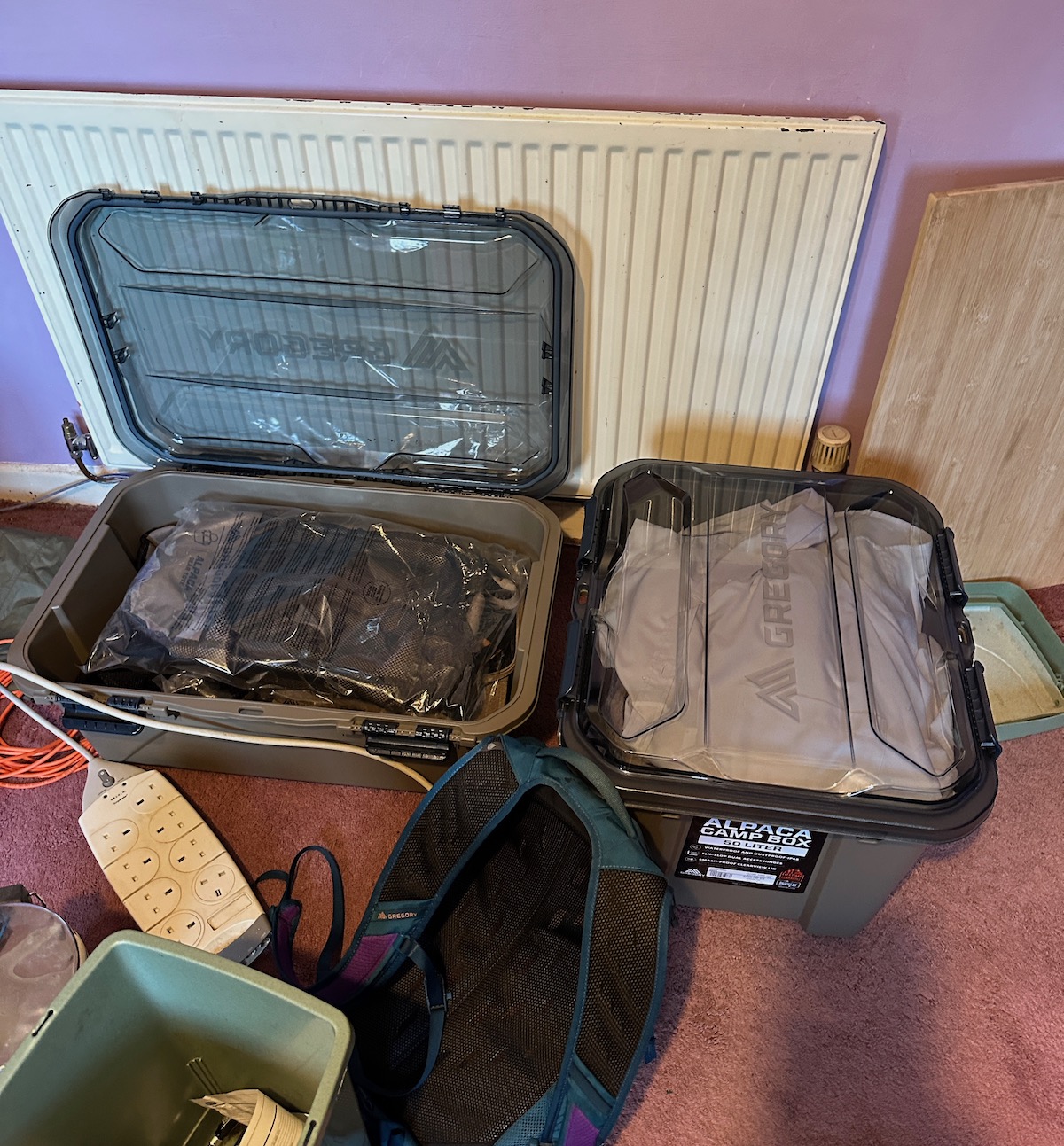
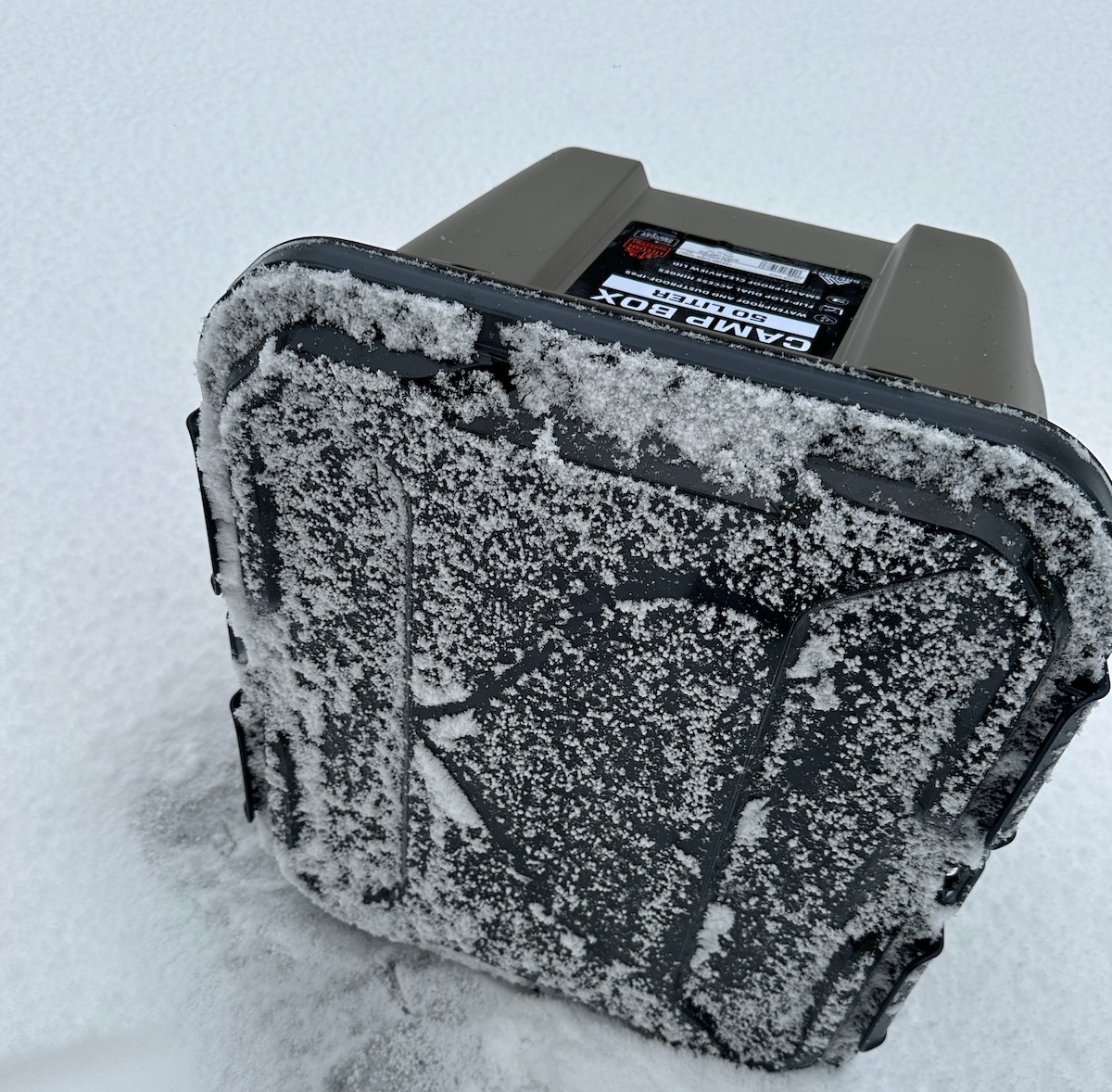
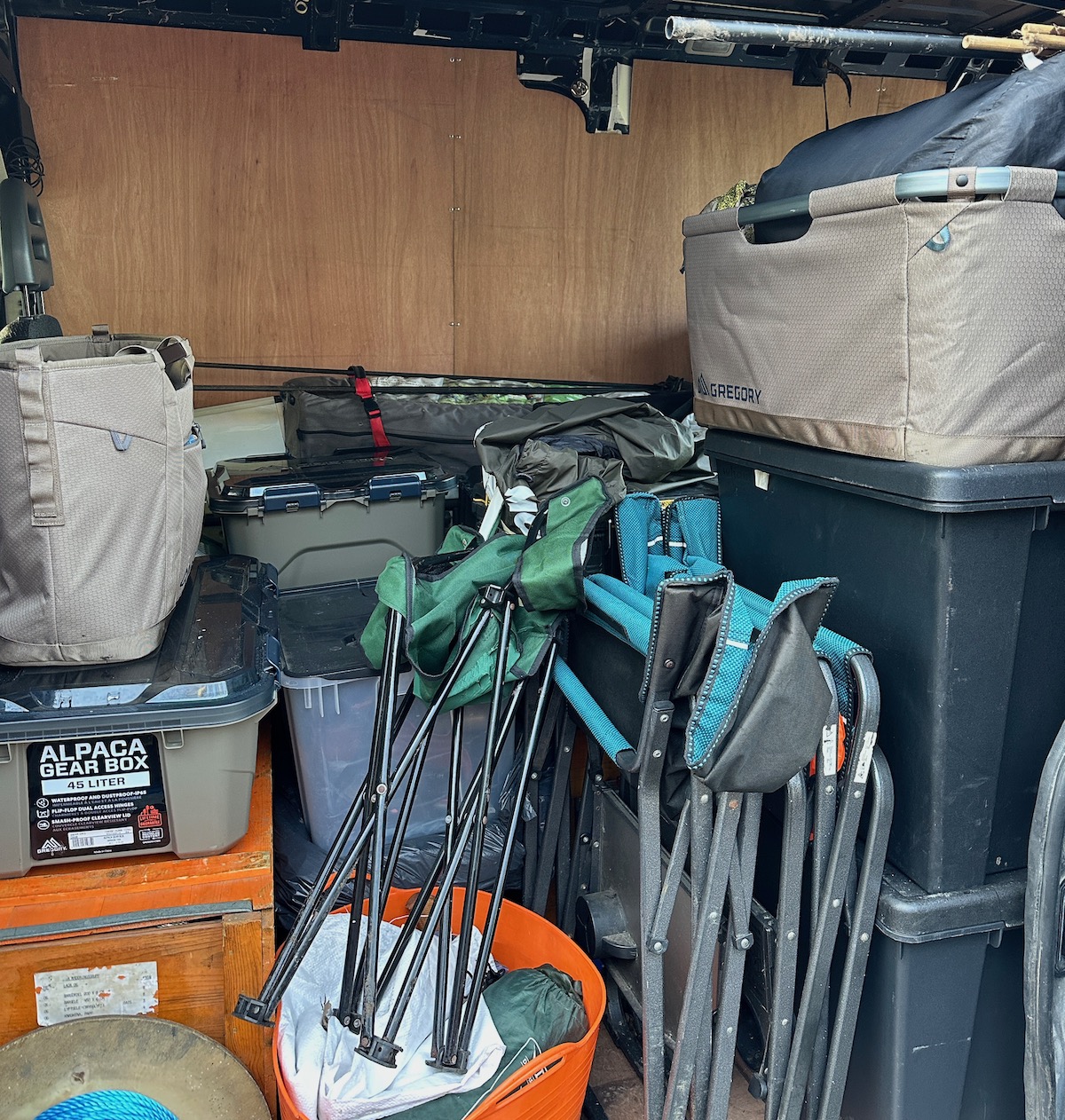
We received a broad range of Gregory Alpaca kit a few months ago for testing. This is part of a full breakdown series. We’ve already covered the Gear Wagon (read that HERE], and this one focuses on the Hard Boxes. Next up will be the Totes and Basket, followed by the Gear Pods.
Before getting into it, a quick note on Gregory.
Founded in 1977, Gregory has nearly 50 years of experience building outdoor gear that’s meant to be used properly. They’re best known for their rucksacks, and they’ve built a reputation for reliability, comfort, and thoughtful design. Not flashy. Not trend driven. Just consistently solid kit.
Dimensions – 51H x 44W x 39D cm
Lid – 50% Recycled Polypropylene
GEAR BOX
The Real Question: Are They Worth It?
Are the Gregory Alpaca boxes actually better… or just more expensive?
We already use some tough storage boxes. They’ve done the job for years. We’ve also used those bargain boxes that shatter the first time they’re knocked. So we have some clear benchmarks:
Built for Real Use
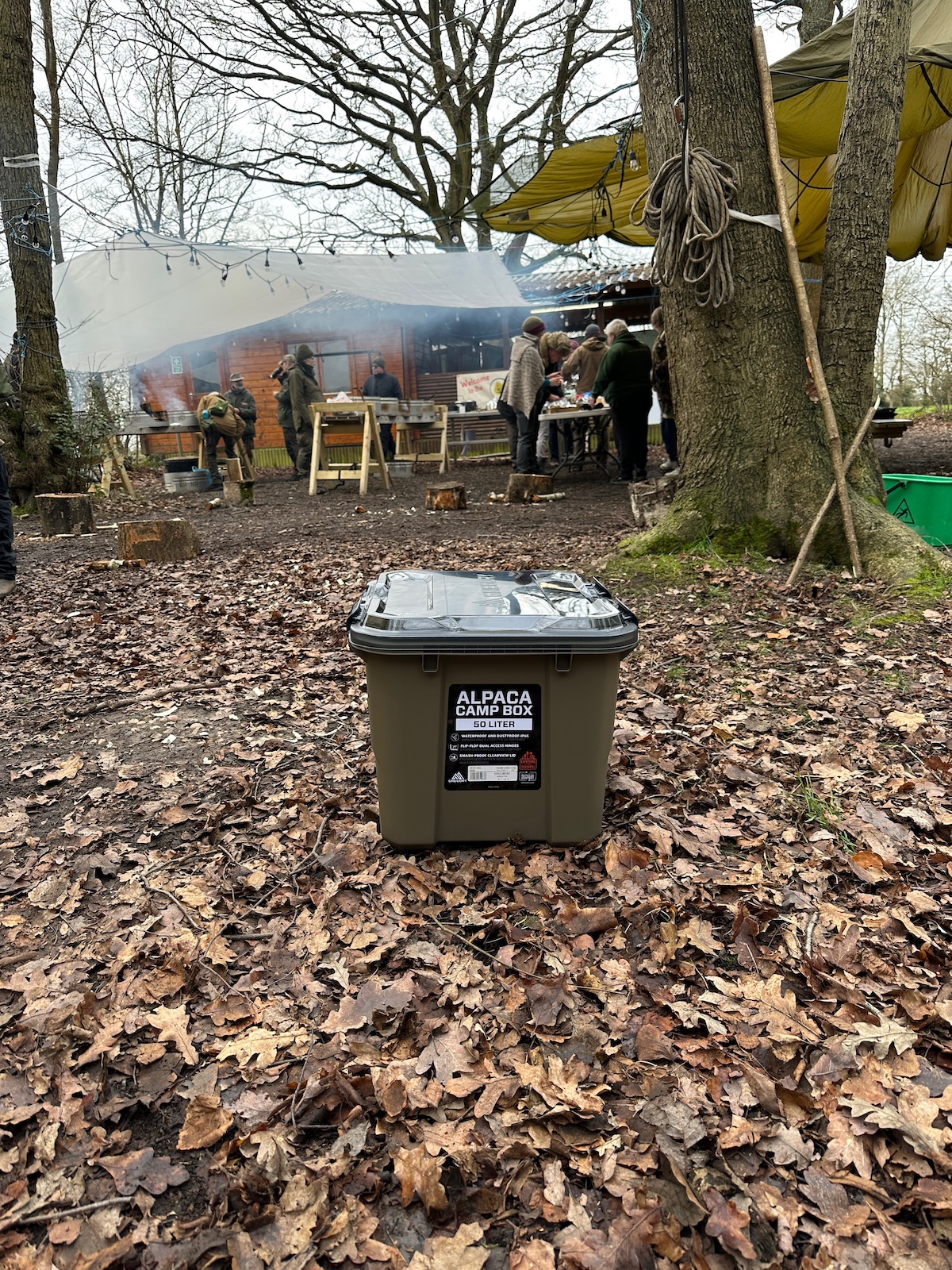
- Camp Box 50
- Gear Box 45
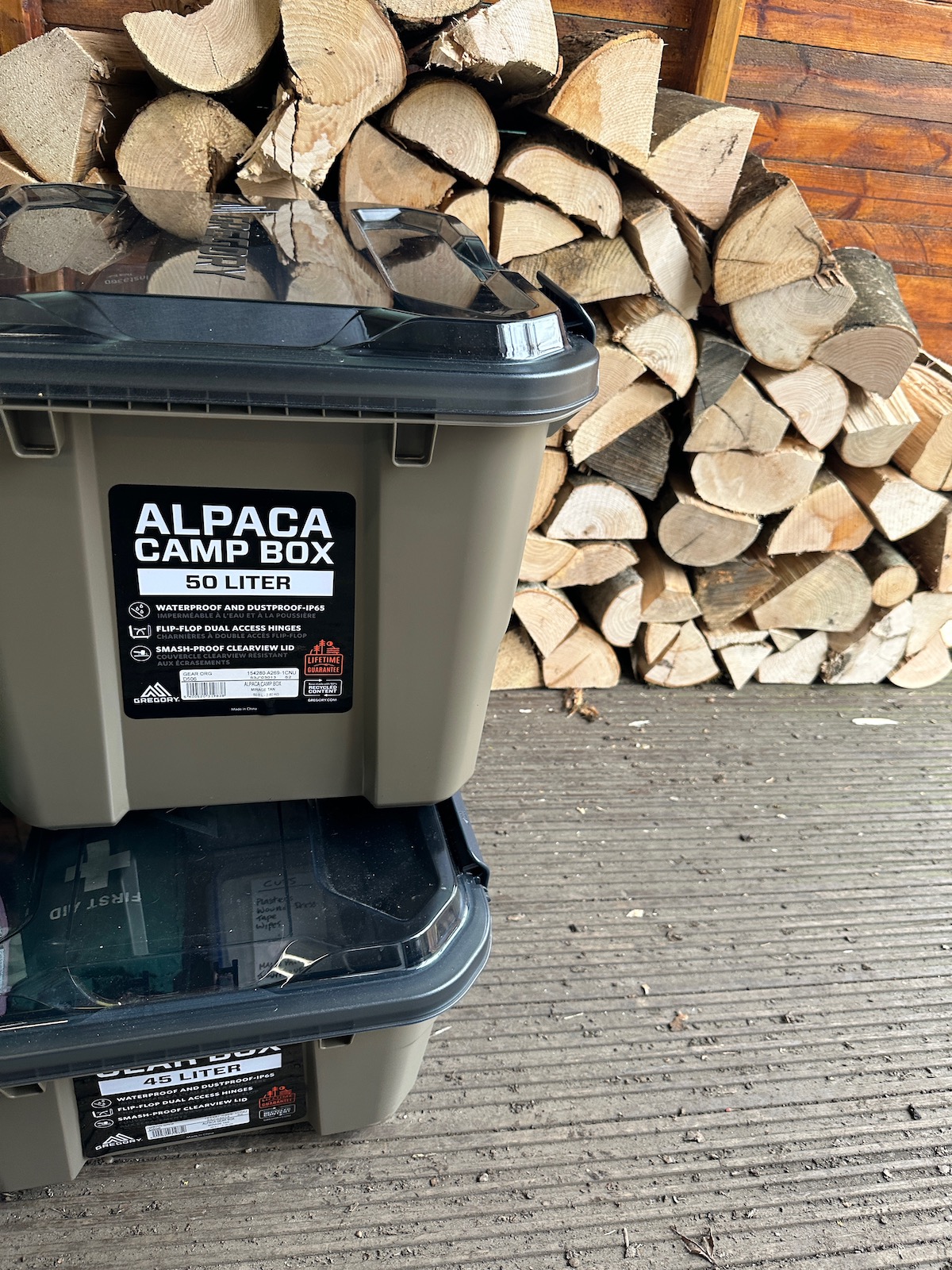
Durability: Properly Tough
- You can stand on them (Gregory safety info says not to due to risk of falling)
- You can sit on them around the fire (Gregory safety info says not to due to risk of falling)
- They stack cleanly without flex
I’ll be honest, it took me about a month before I trusted them enough to sit on one. I’m not a small bloke, and it felt like a bit of a gamble. It wasn’t. They didn’t flex, creak, or complain. Just solid.
The Camp box has been a great seat while carving, it will hold all my carving gear and extras, making it easy to move them about, and it’s big enough for a group kit. I’ve also had them out in freezing temperatures and deliberately kicked them about to see if they’d go brittle. No issues. No cracking. No drama.
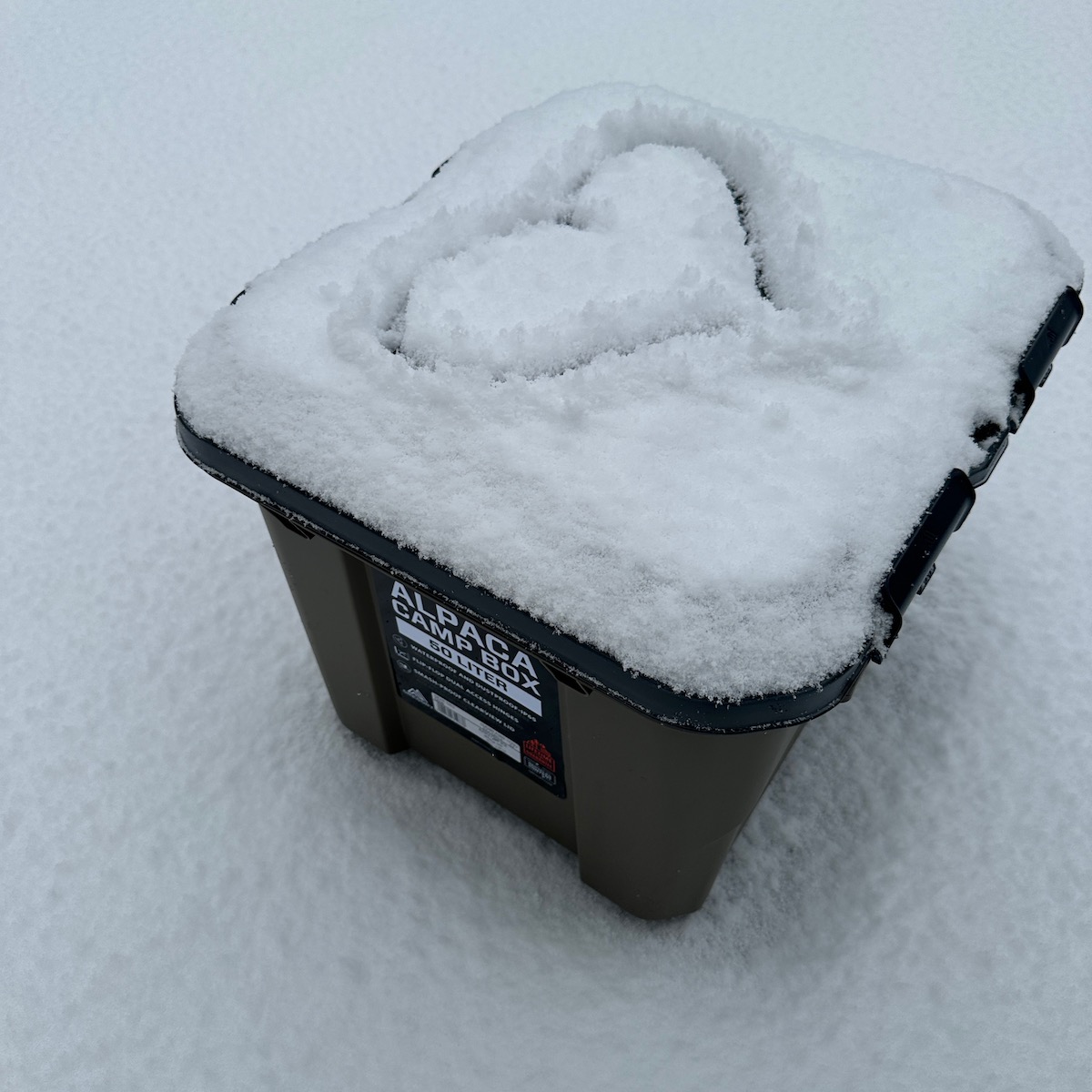
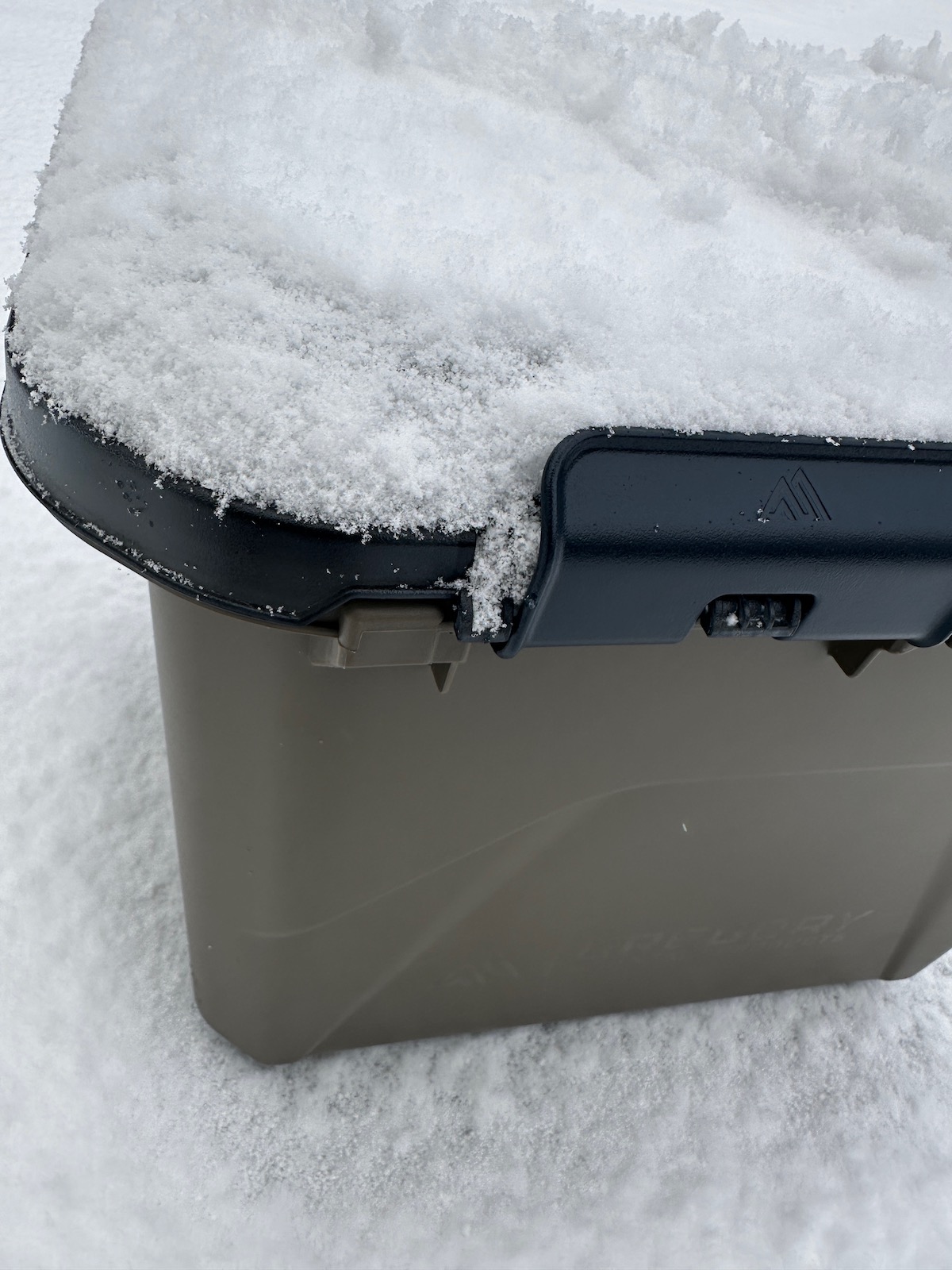
Waterproofing: Tested, Not Assumed
- Proper gasket seal inside
- Designed to keep out rain, mud, snow and general UK damp
But more importantly…
I didn’t just trust the spec. I tested it. I fully dunked them. They came out still sealed, with everything inside completely dry.
That’s not “water resistant”.
That’s properly waterproof.
- Electronics
- Cameras
- Dry clothing
- Food supplies
Access: The Dual Lid System (Genuinely Useful)
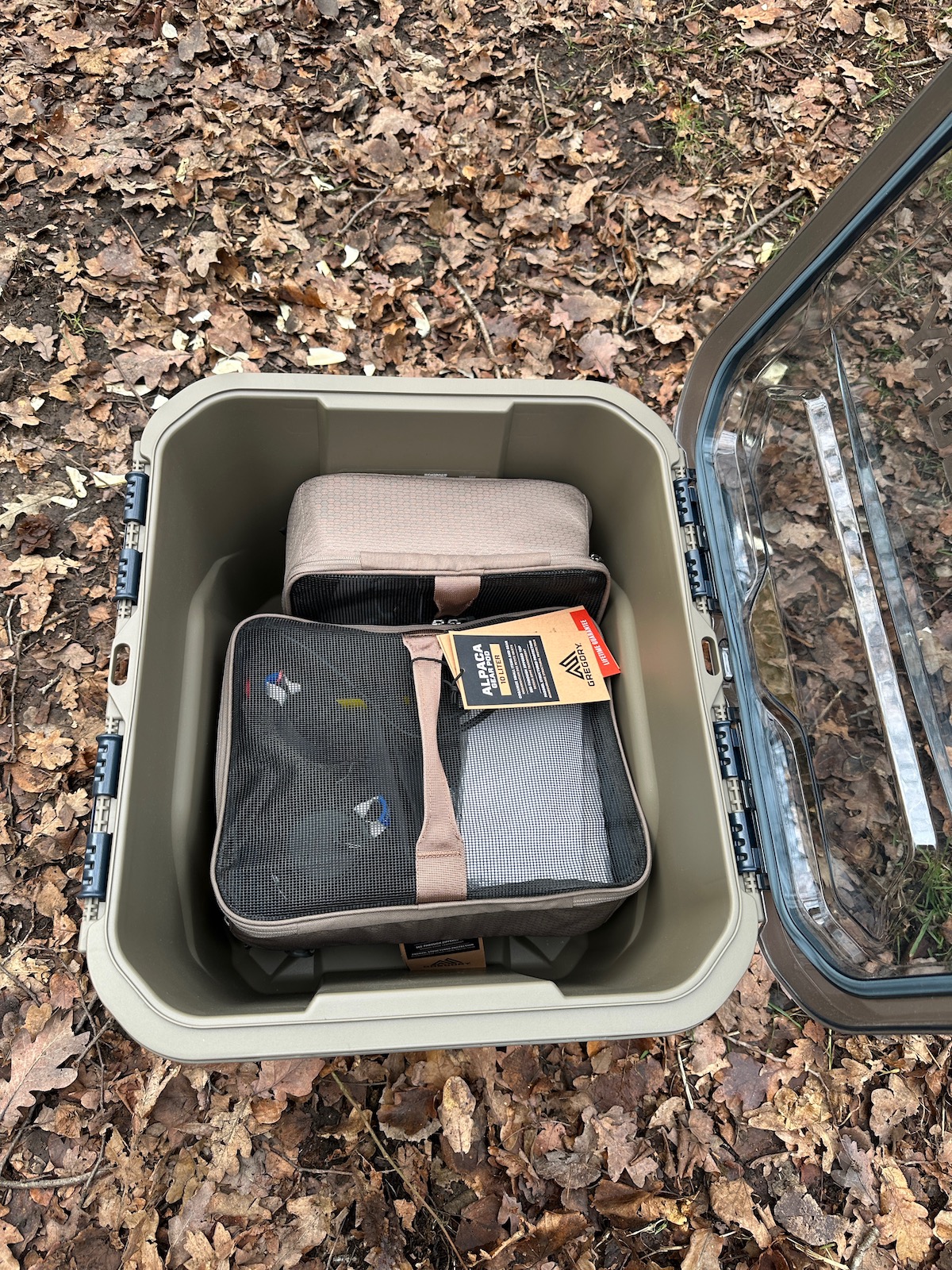
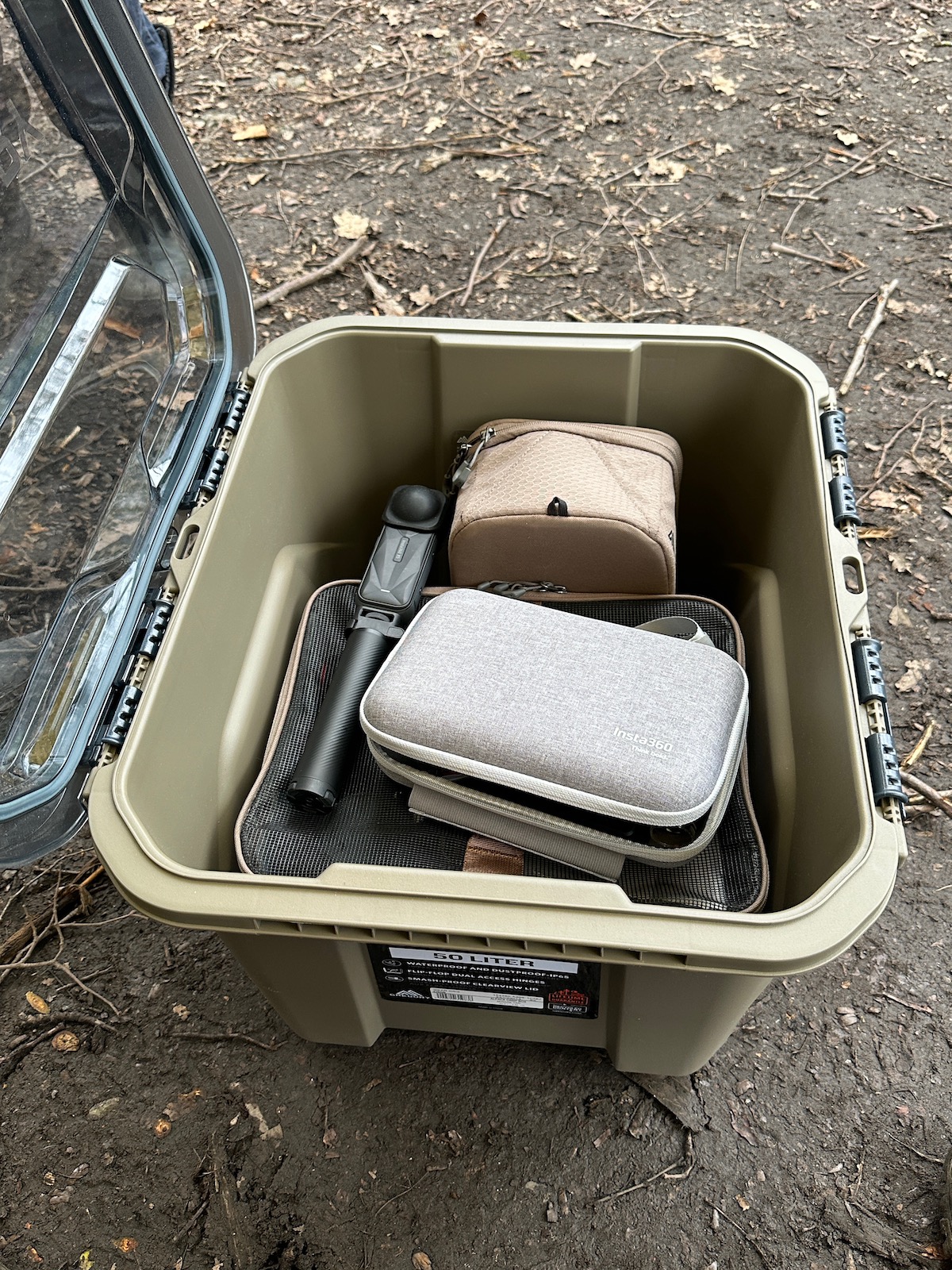
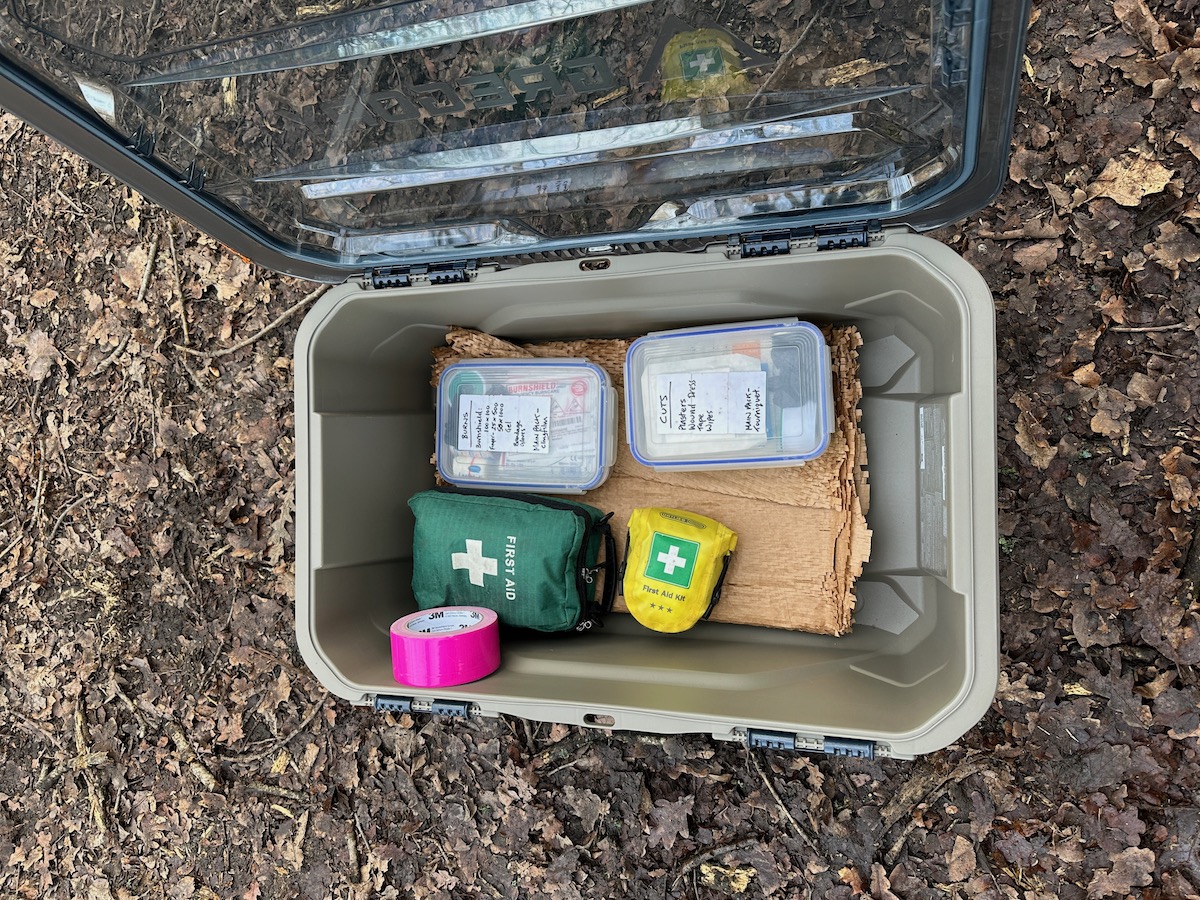
- You can open either side independently
- Or unclip both and remove the lid entirely
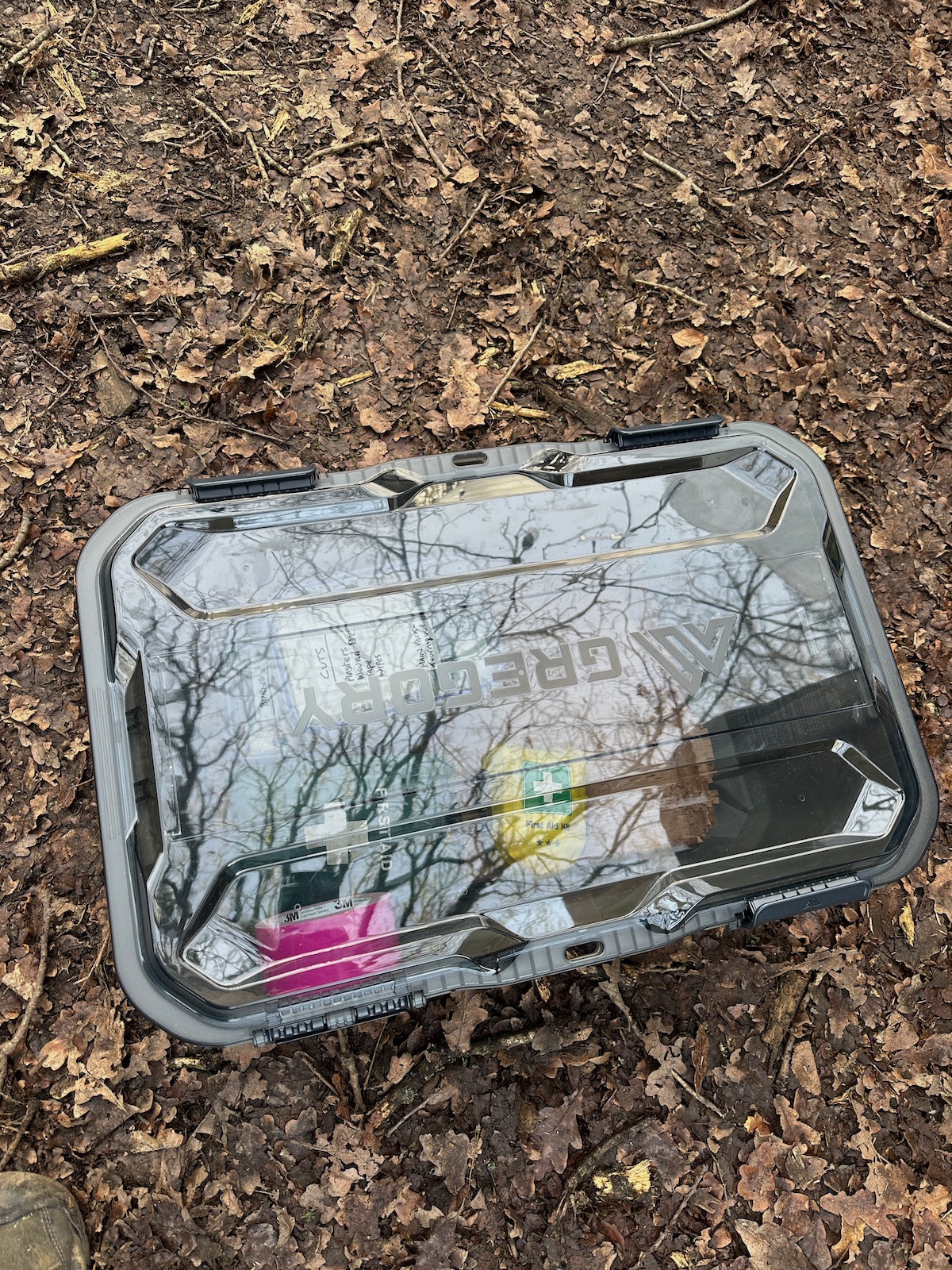
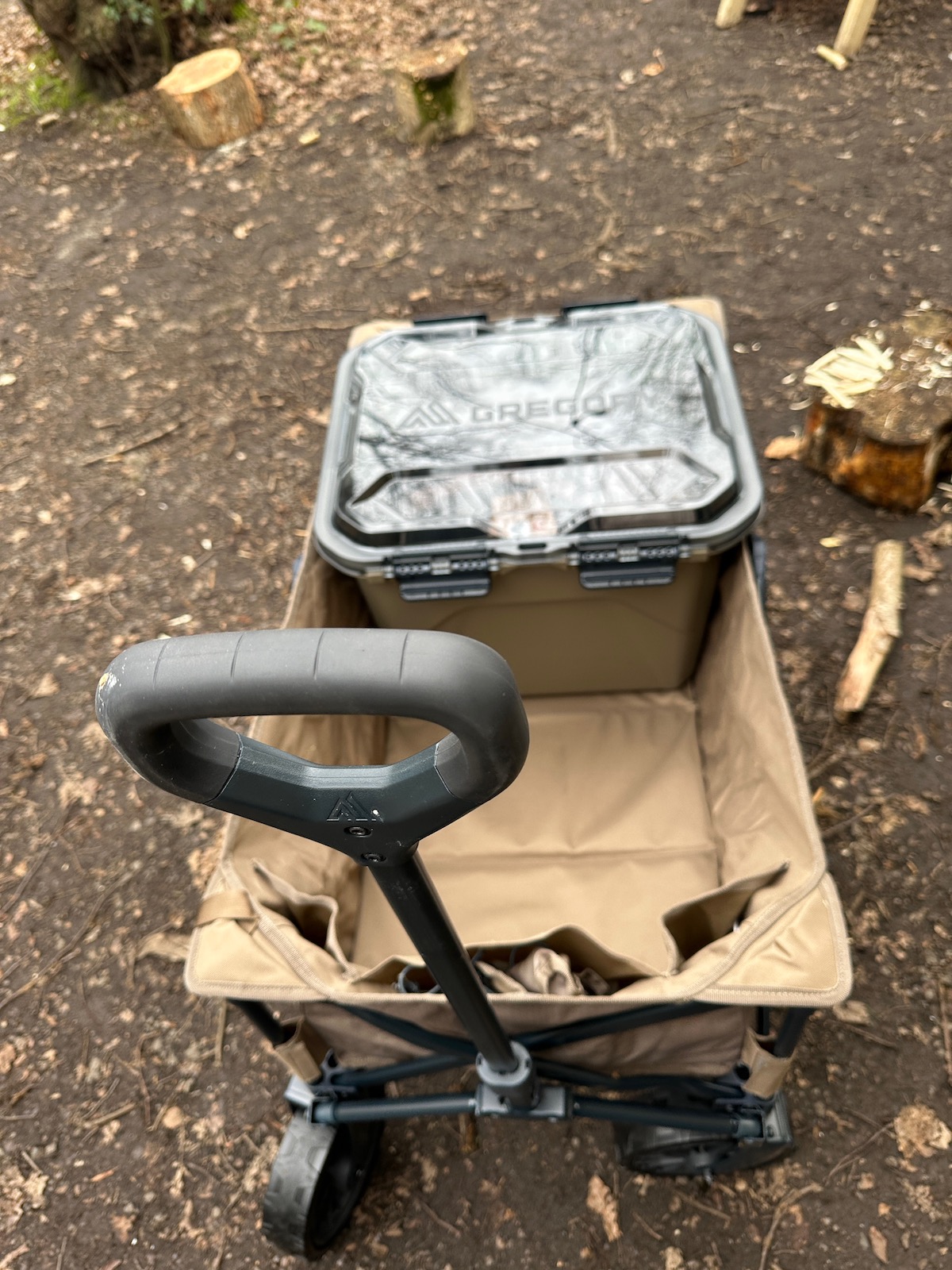
- The lid is tinted but see-through, so you can identify contents quickly
- Less rummaging through boxes
- Easier access into box
- No awkward positioning issues in a packed vehicle
In use, these are great, at events like the BushMoot, when I’ve got a load of boxes it’s easy to see which one has what I’m after, and it doesn’t matter how it’s squeezed into a space, I can get to the contents, open the lid one side or the other and hey presto.
Bulk vs Toughness: The Honest Trade-Off
- They’re not the lightest
- They’re not the smallest
But here’s the key point:
They’re also not excessively heavy or awkward.
The handle design makes them comfortable to carry, even when loaded. And the structure actually makes them easier to use than softer or flimsier boxes.
So yes, you give up a bit of compactness, and even though they’re not the smallest or lightest, I’d definitely not class them as heavy or bulky.
In return you get: Confidence that your kit is properly protected
And that’s a trade most people in this space will happily make.
Pros and Cons
Pros
- Extremely durable and load bearing
- Proper waterproof seal (tested)
- Dual access lid is genuinely useful
- Stackable and stable
- Comfortable to carry
- Ideal for vehicles, camps, and events
Cons
- Not cheap
- Overkill for very light or occasional use
Where They Shine (Real Use Cases)
These aren’t loft storage boxes. This is working kit.
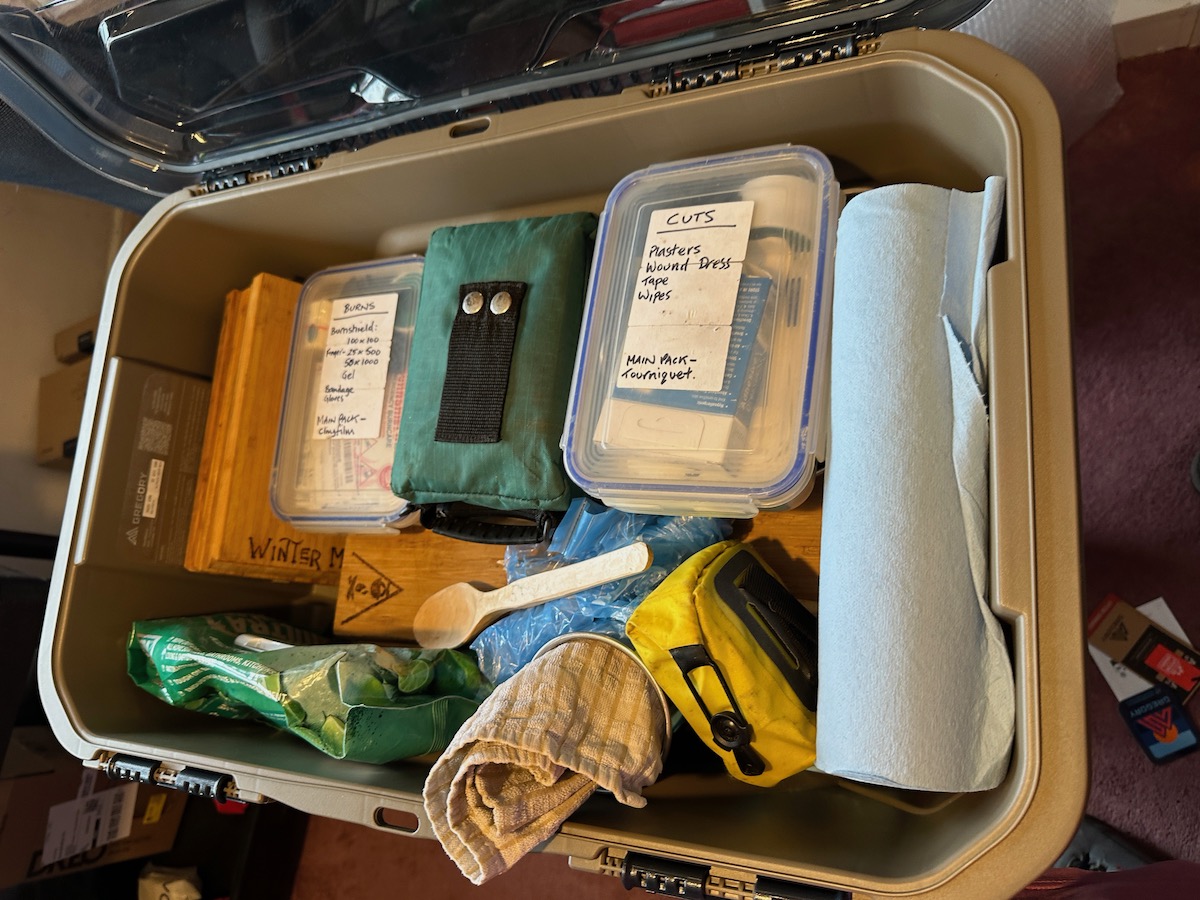
- Electronics and camera gear → safe, dry, protected
- Food and cooking kit → weatherproof and secure
- Workshop in a box → carving tools, axes, sharpening gear, seat!
- Trip/Event logistics → stackable, transportable, easy to organise
Warranty: Built to Last
Gregory backs the Alpaca range with a lifetime warranty against defects in materials and workmanship.
That tells you everything about how these are intended to be used: Hard. Often. For years.
Final Thoughts
These aren’t boxes you fill with old clothes and forget about, they’re part of your system. Your camp. Your travel setup.
What started as “just another bit of kit to review” has turned into something I now use regularly and genuinely trust.
Are they more expensive than standard storage boxes? Yes.
Are they better? Also yes.
If you can justify the cost, this is the kind of upgrade that pays for itself in reliability alone, and paired with the Gear Pods (more on those soon), they become even more useful.

Tony Bristow is the founder of Bushcraft UK, which has been bringing people together around outdoor skills, community, and a love of nature for over 23 years. He also runs the BushMoots — now in their 22nd year — and more recently launched MindMoot, blending mindfulness and bushcraft to help people slow down, reconnect, and build resilience.
With a background in teaching, mentoring, and a lifelong love of the outdoors, Tony’s all about sharing practical skills in a relaxed, down to earth way. Whether it’s through articles, hands on workshops, or online conversations, his aim is simple: help people feel more at home in the wild, and in themselves.