What It Really Takes to Set Up an Adventure Expedition

Behind the Scenes of Remote Travel
From the outside, adventure expeditions look effortless.
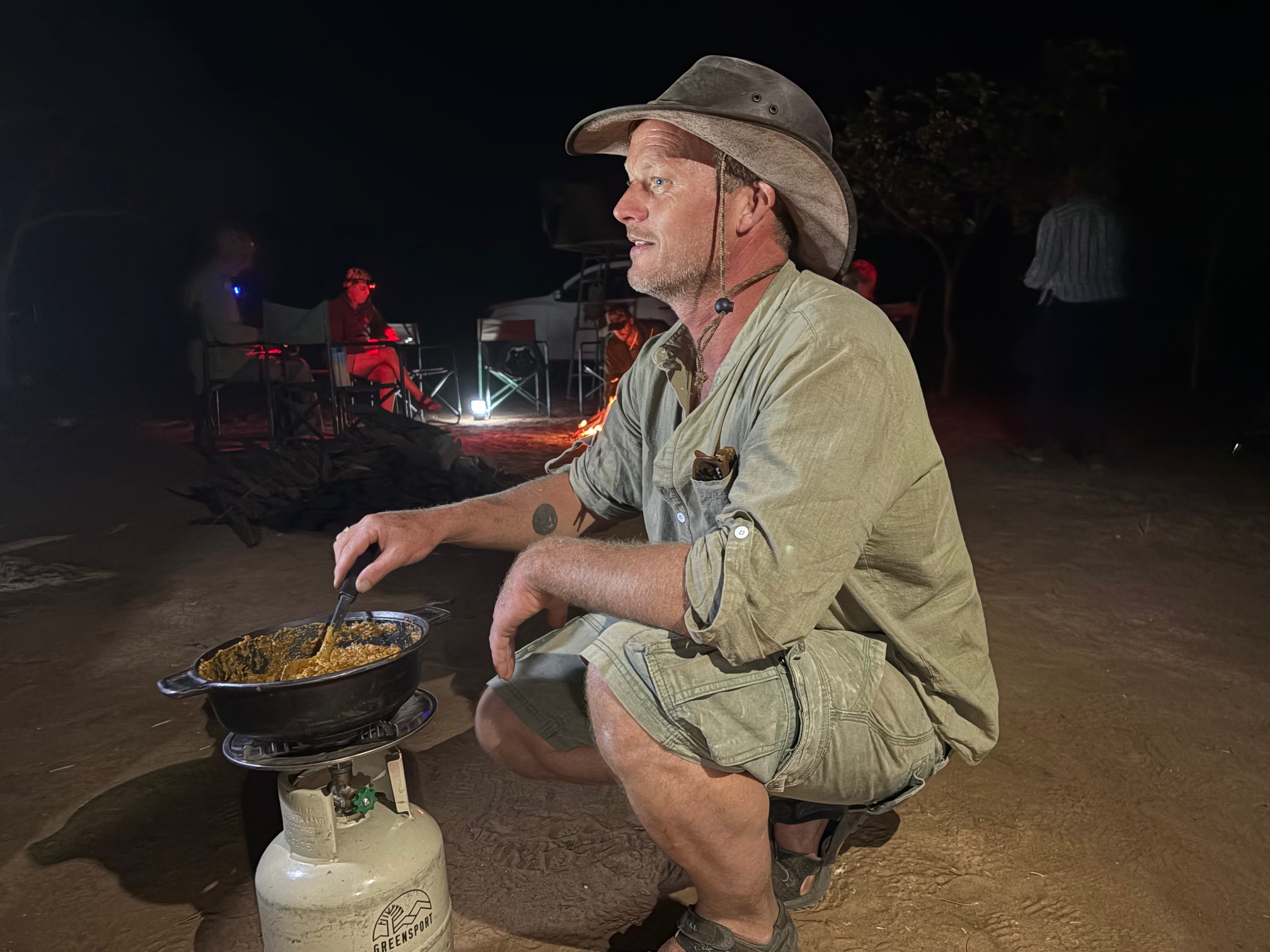
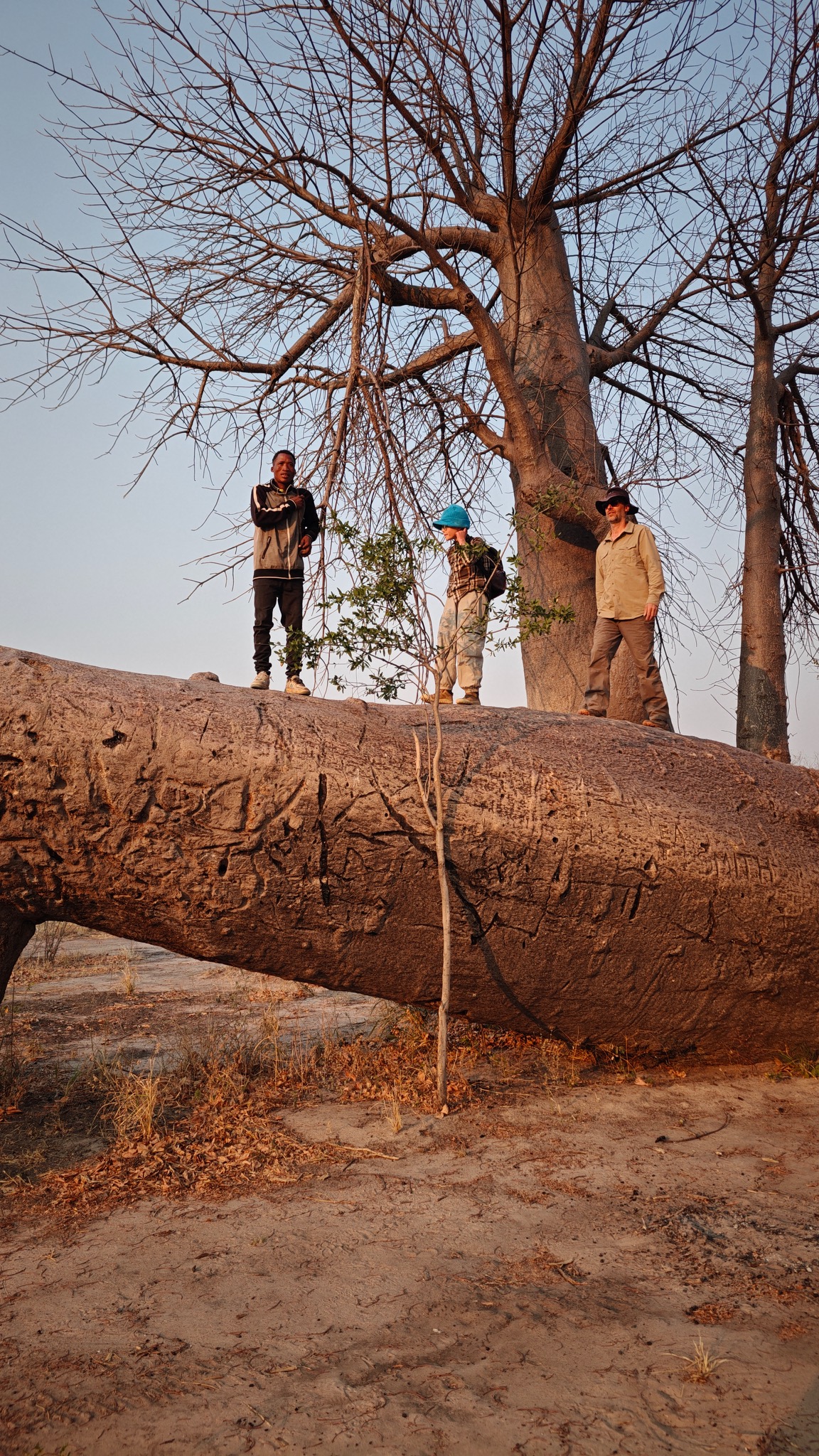
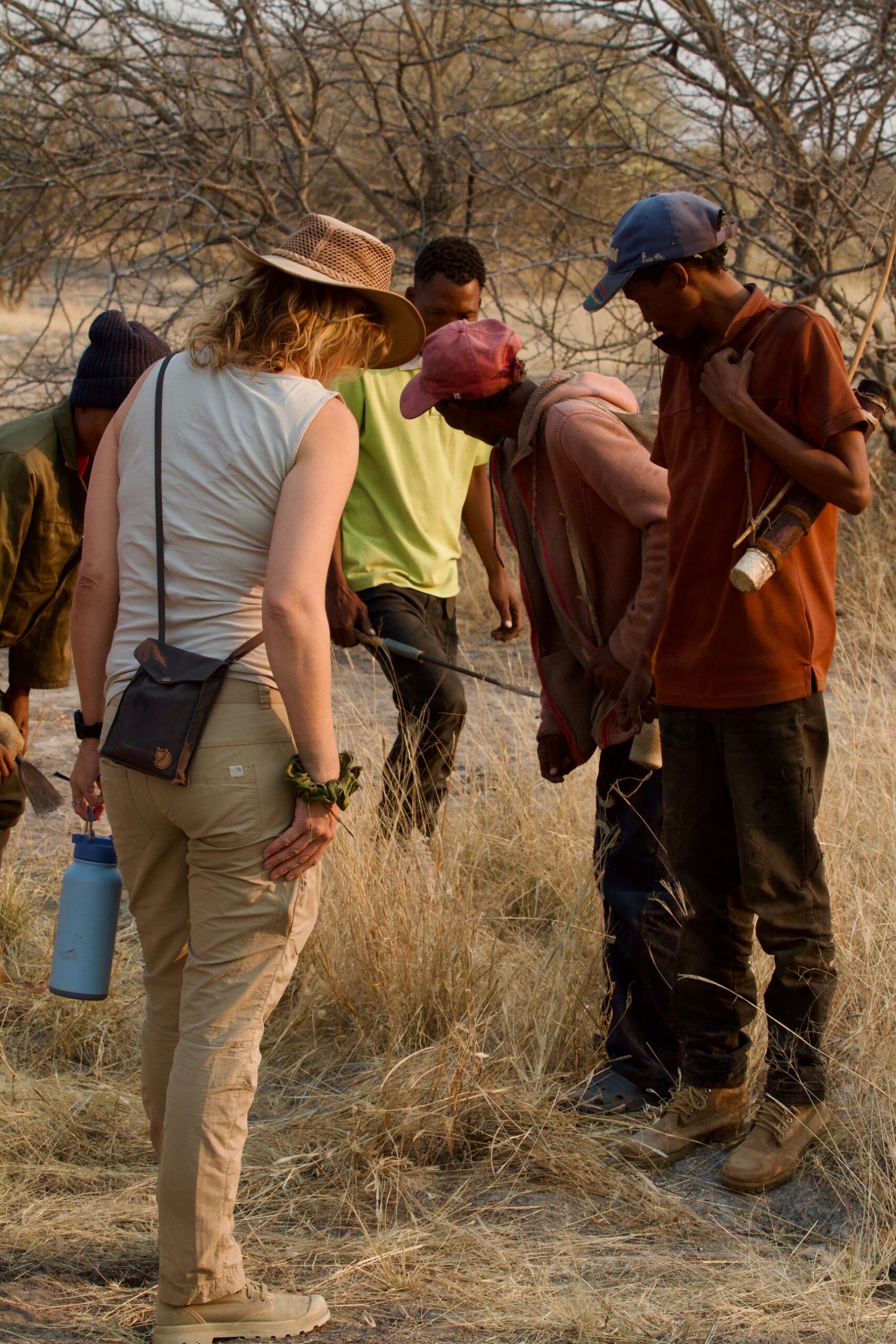
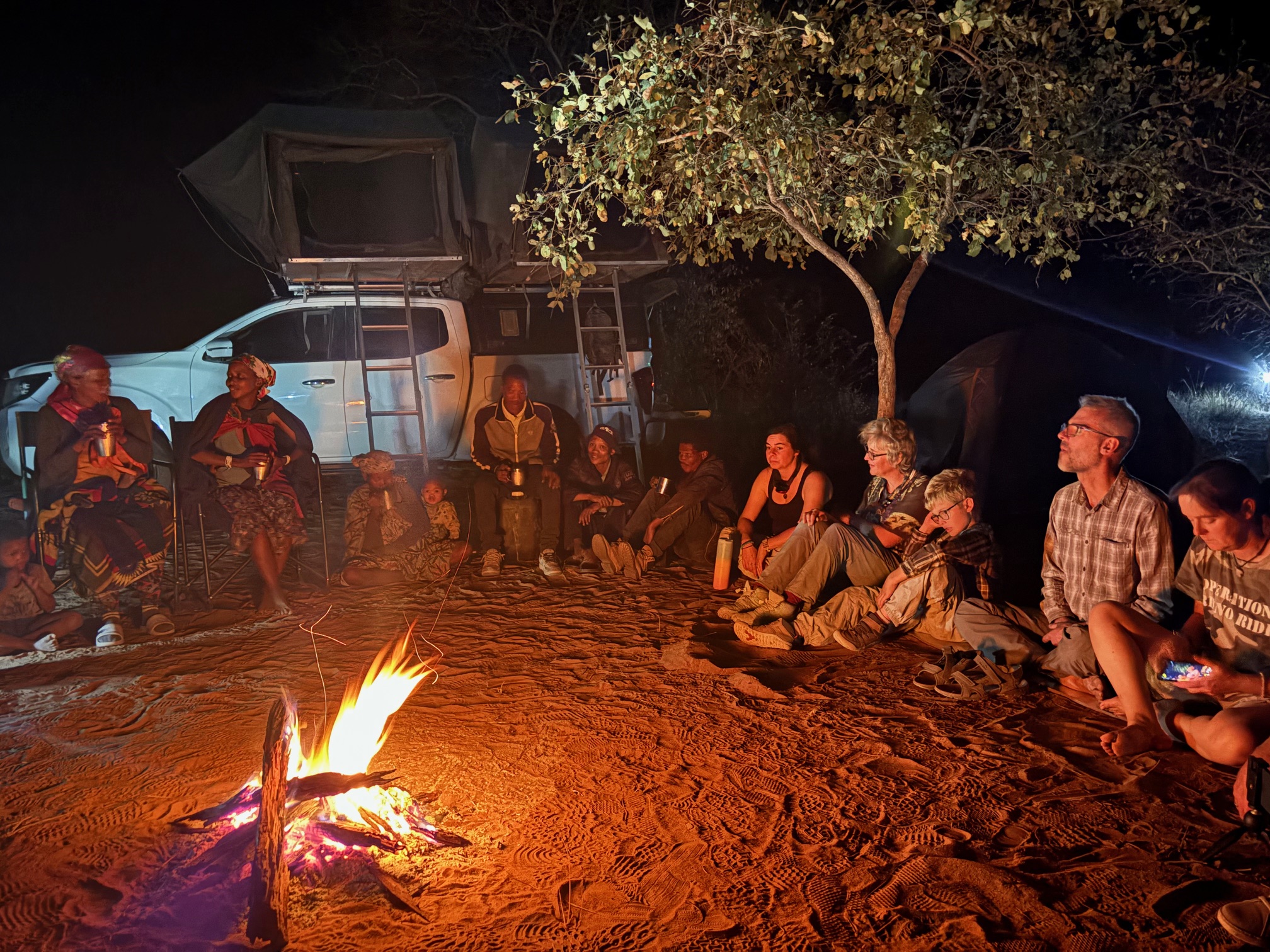
A small group walks across red sand at sunrise. A guide gestures toward fresh lion tracks. Later, everyone sits around a fire beneath a sky thick with stars.
But what you don’t see is that those moments are supported by months (sometimes years!) of research, relationship building, logistical planning, risk assessment and contingency thinking.
Organising an ethical, safe and meaningful adventure abroad is part expedition planning, part project management, and part obsession.
Here’s what really goes into it.
It Starts Long Before the Itinerary
Most responsible expeditions don’t begin with a marketing idea. They begin with a relationship.
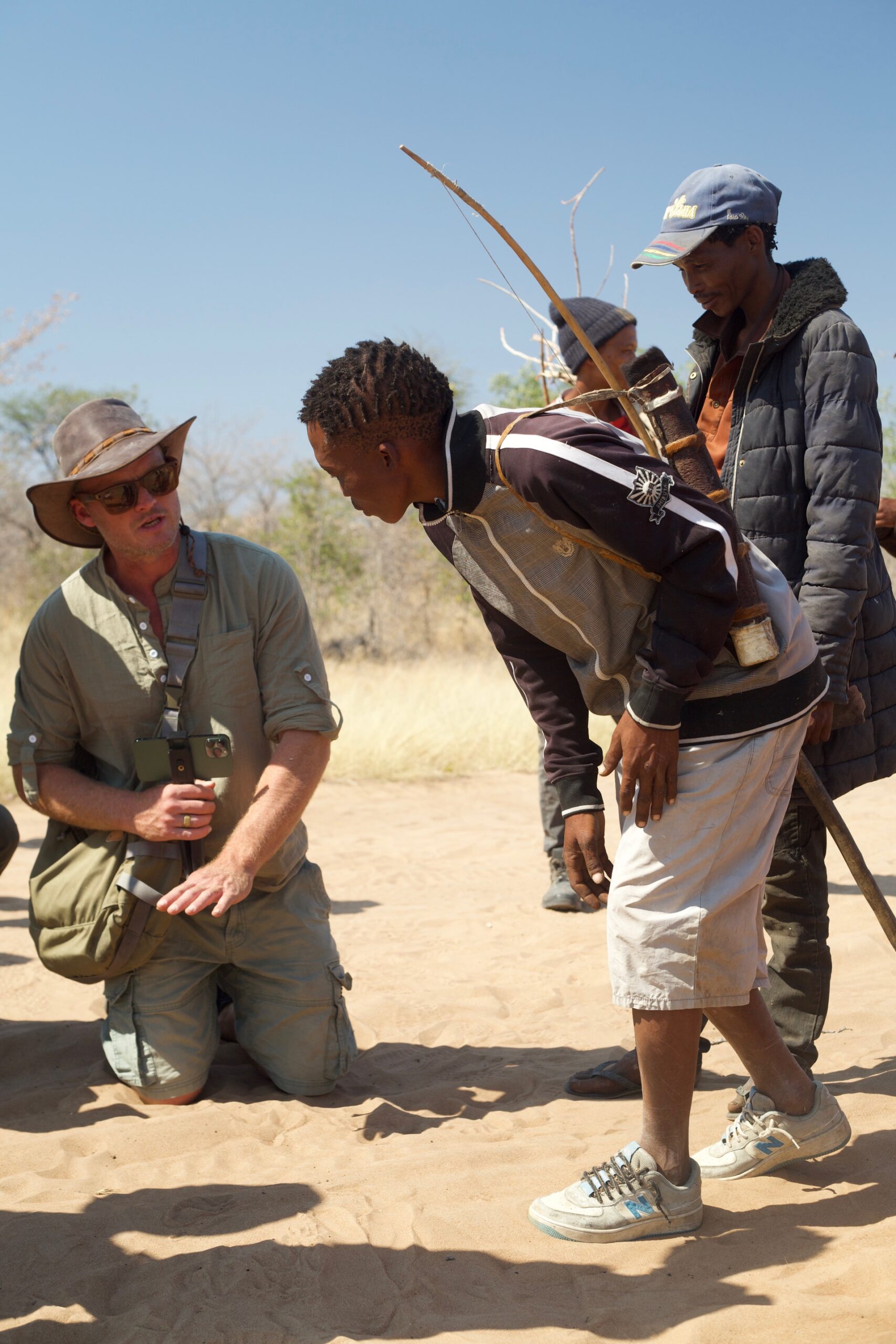
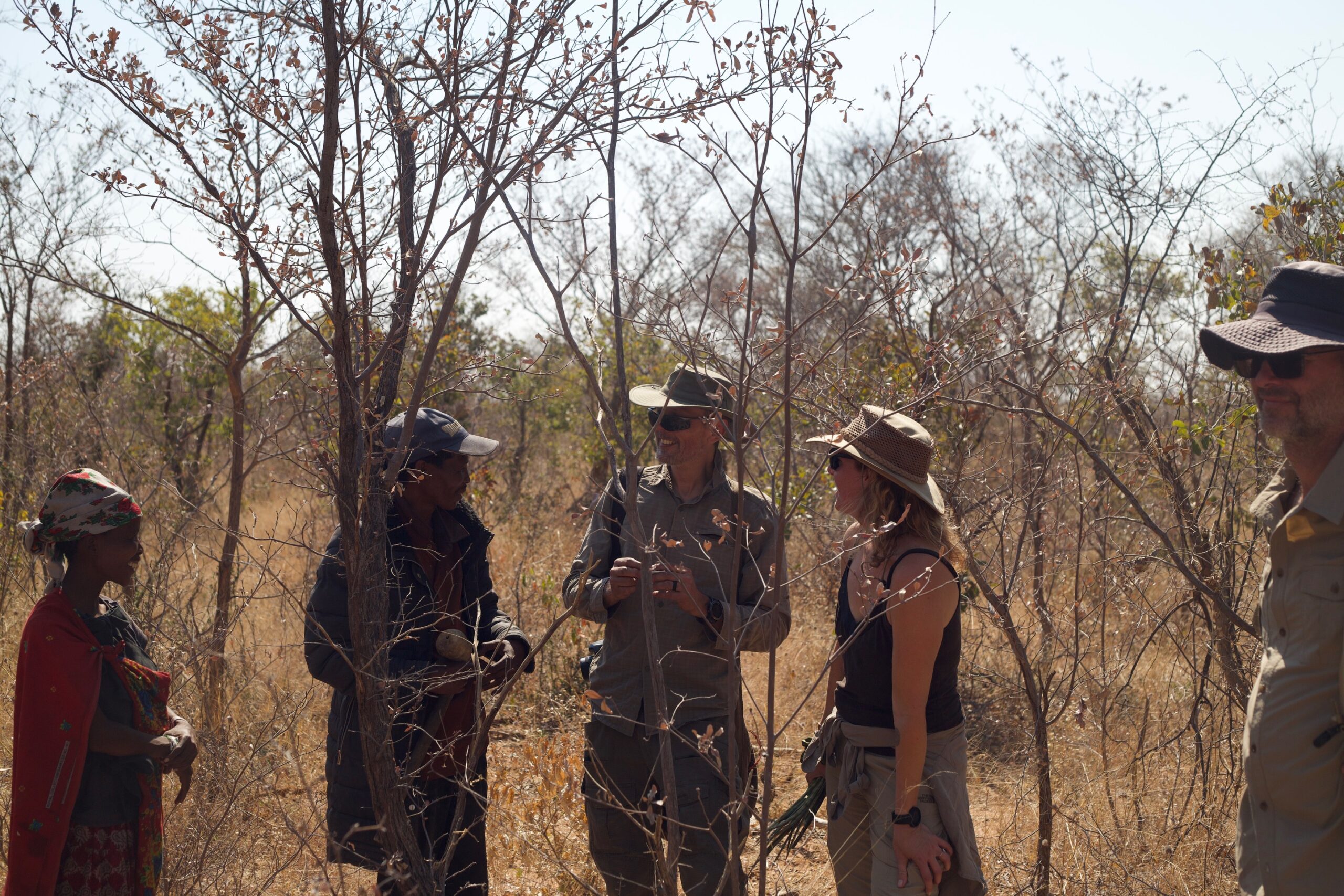
In places like the Kalahari, for example, meaningful trips rely on long-standing trust with local communities such as the Ju|’hoansi San of Nyae Nyae. Trust cannot be built over email. It is built by showing up consistently, listening more than speaking, and ensuring that local people lead and benefit directly.
Does it align with conservation priorities?
Are we contributing positively (economically and culturally)?
Are group numbers appropriate for this environment?
If those foundations aren’t right, the trip shouldn’t run.
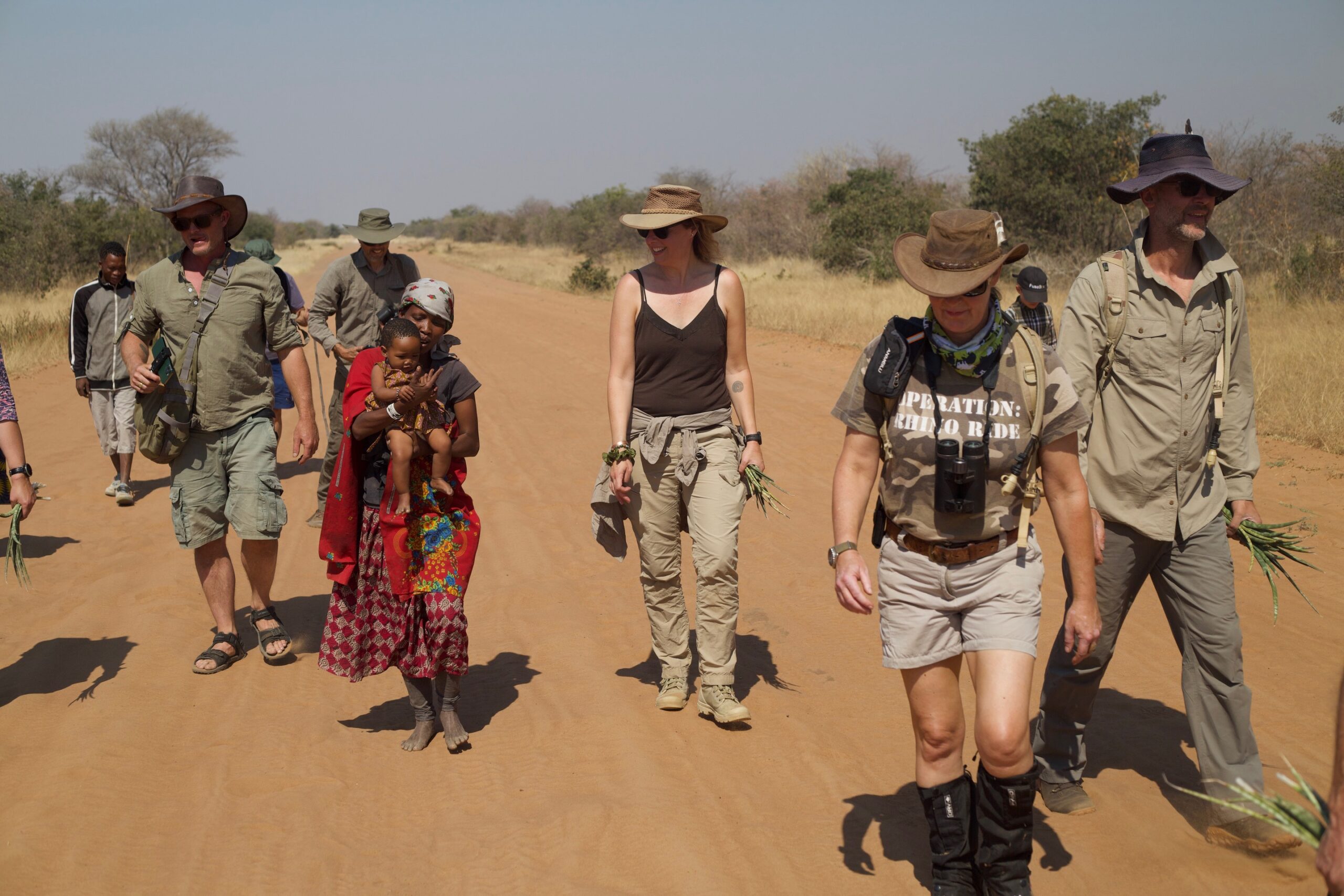
Reconnaissance & Ground Truthing
Google Earth is not enough.
Serious organisers conduct on-the-ground reconnaissance:
Driving remote access routes.
Checking road conditions in both dry and wet seasons.
Testing accommodation standards.
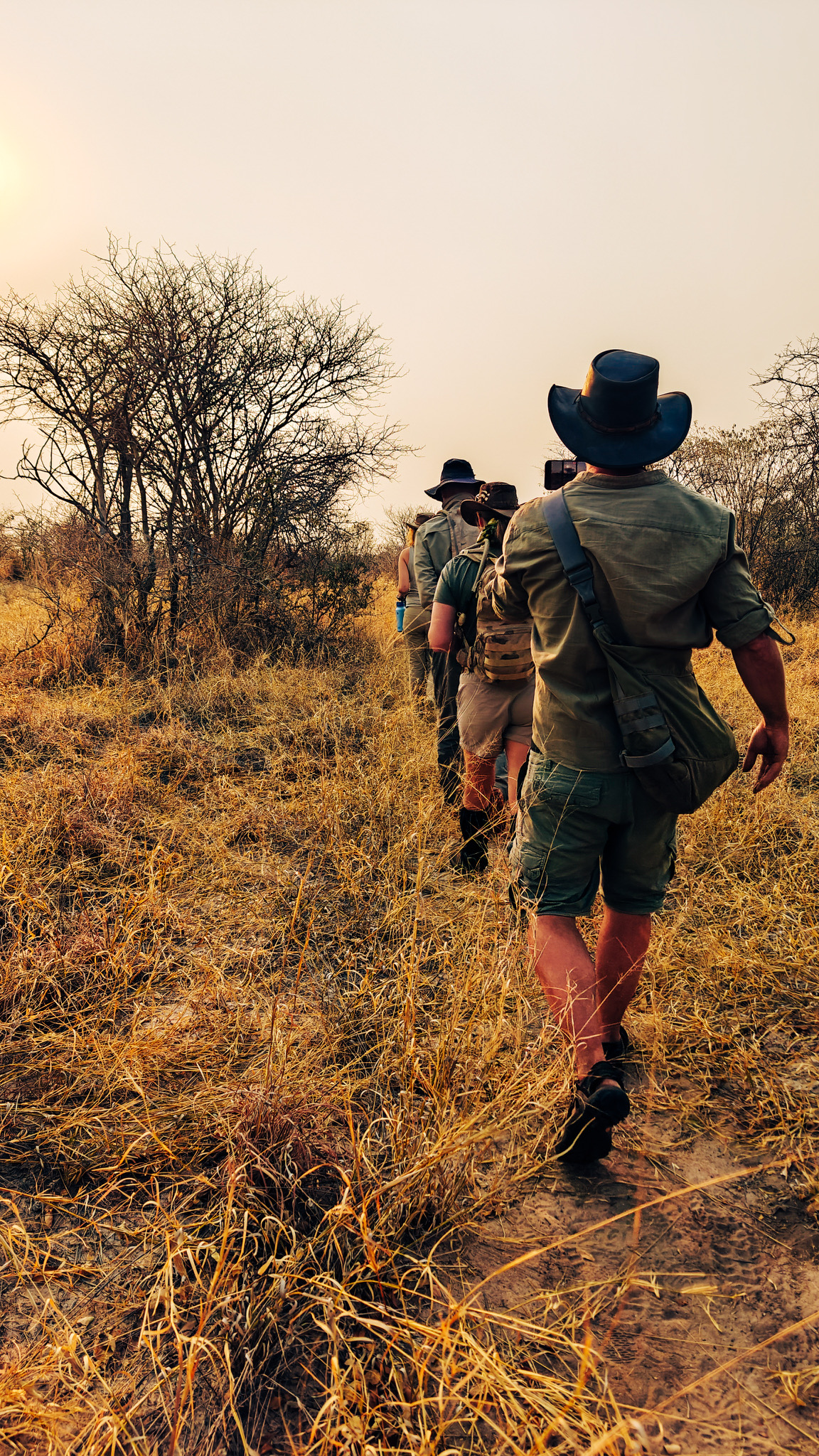
Walking planned routes in person.
Assessing water access and shade.
Identifying evacuation routes.
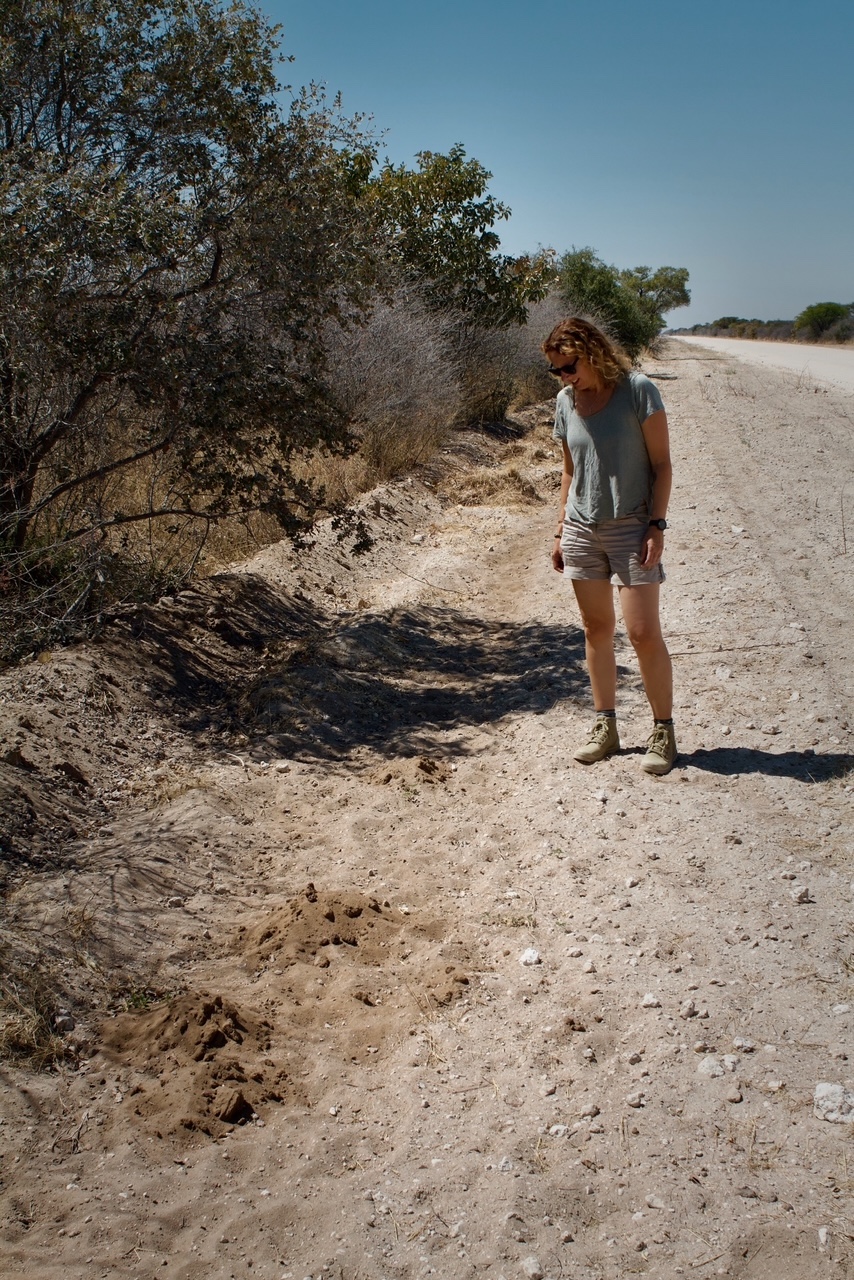
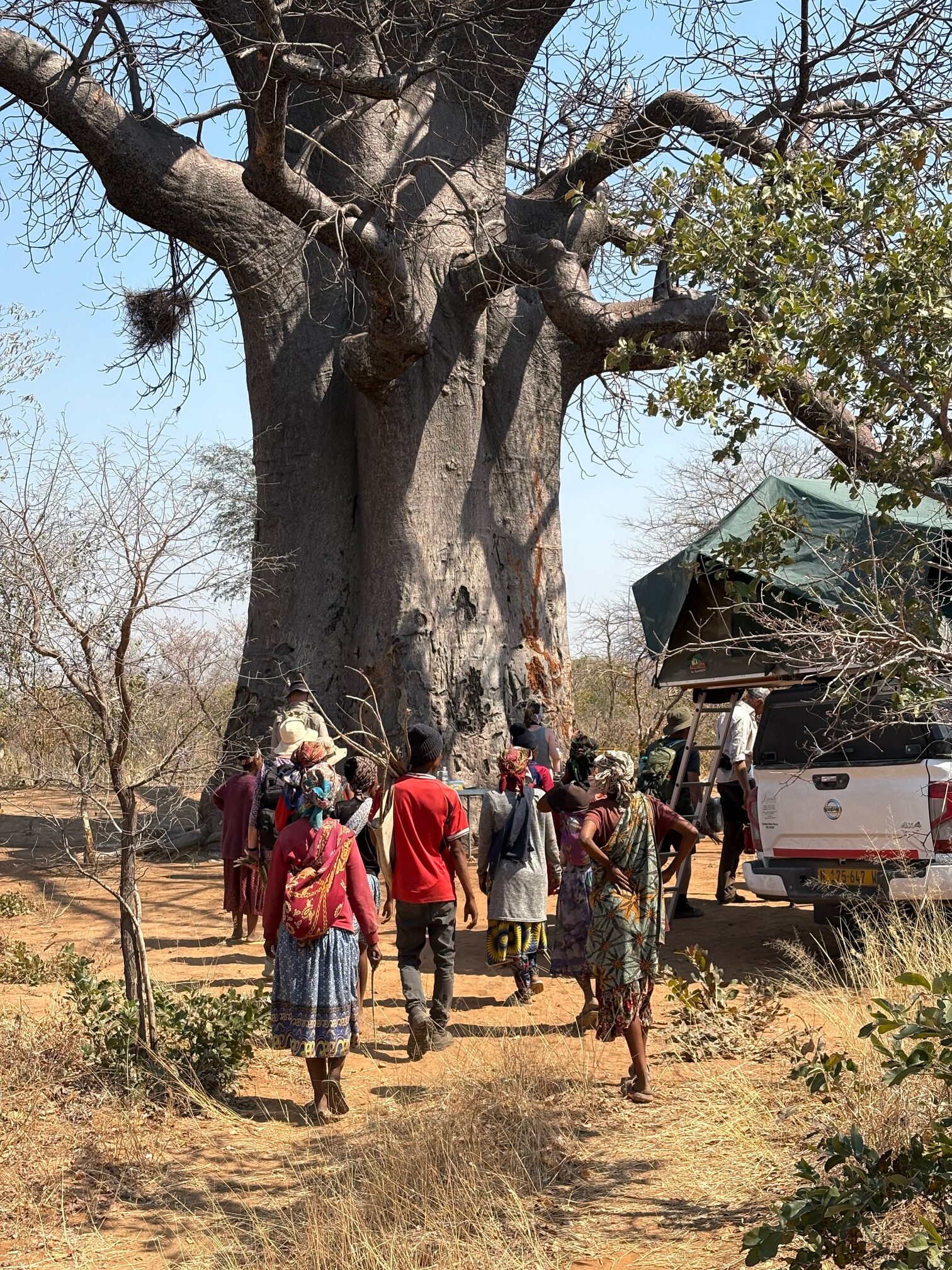
In unfenced wildlife areas, like parts of northern Namibia, understanding animal movement patterns aren’t optional; they’re critical.
A campsite may look perfect in photographs. On foot, it may sit directly on a game corridor.
Logistics: The Invisible Web
Every expedition is a moving system.
International and domestic flights for staff
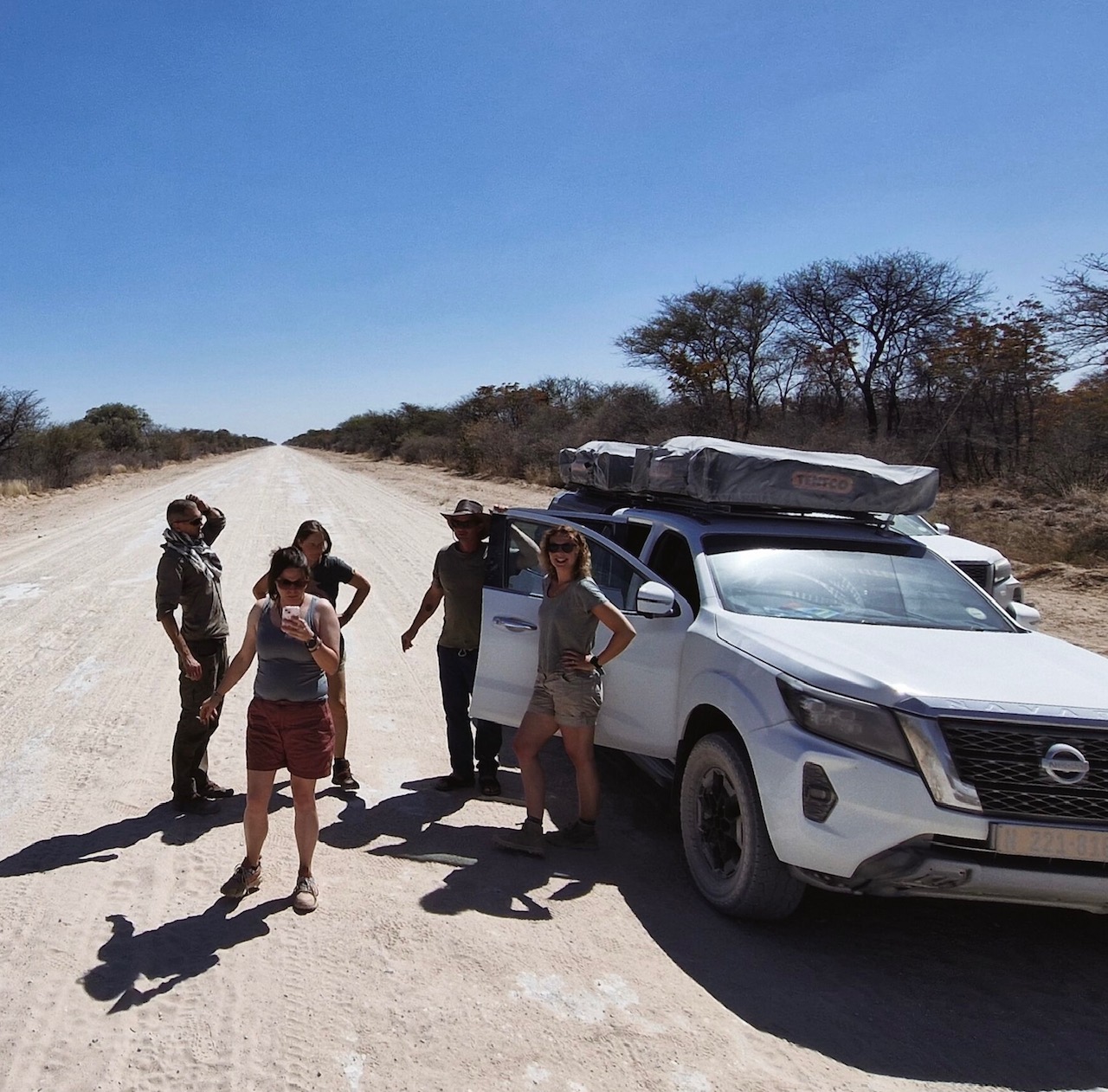
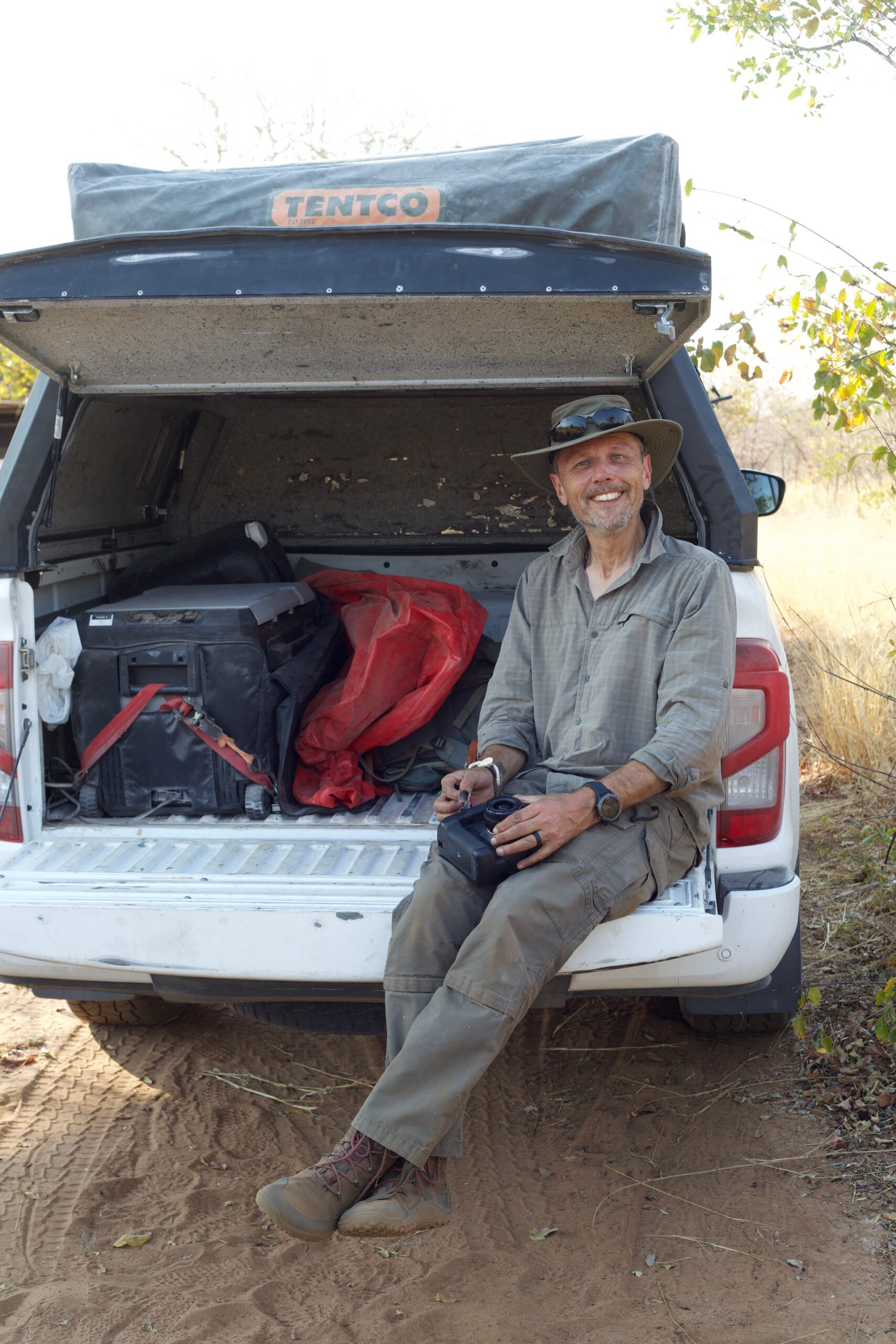
Vehicle hire (often multiple 4x4s)
Fuel calculations across remote regions
Permits and park bookings
Border documentation
Food provisioning in areas with no supermarkets
Communication systems
Medical training and kits suitable for remote environments
Accommodation sequencing to avoid fatigue
In remote desert environments, fuel and water planning alone becomes an exercise in precision.
How many litres per vehicle?
What’s the contingency if a pump fails?
How far to the nearest reliable supply?
Adventure runs on spreadsheets long before it runs on starlight.
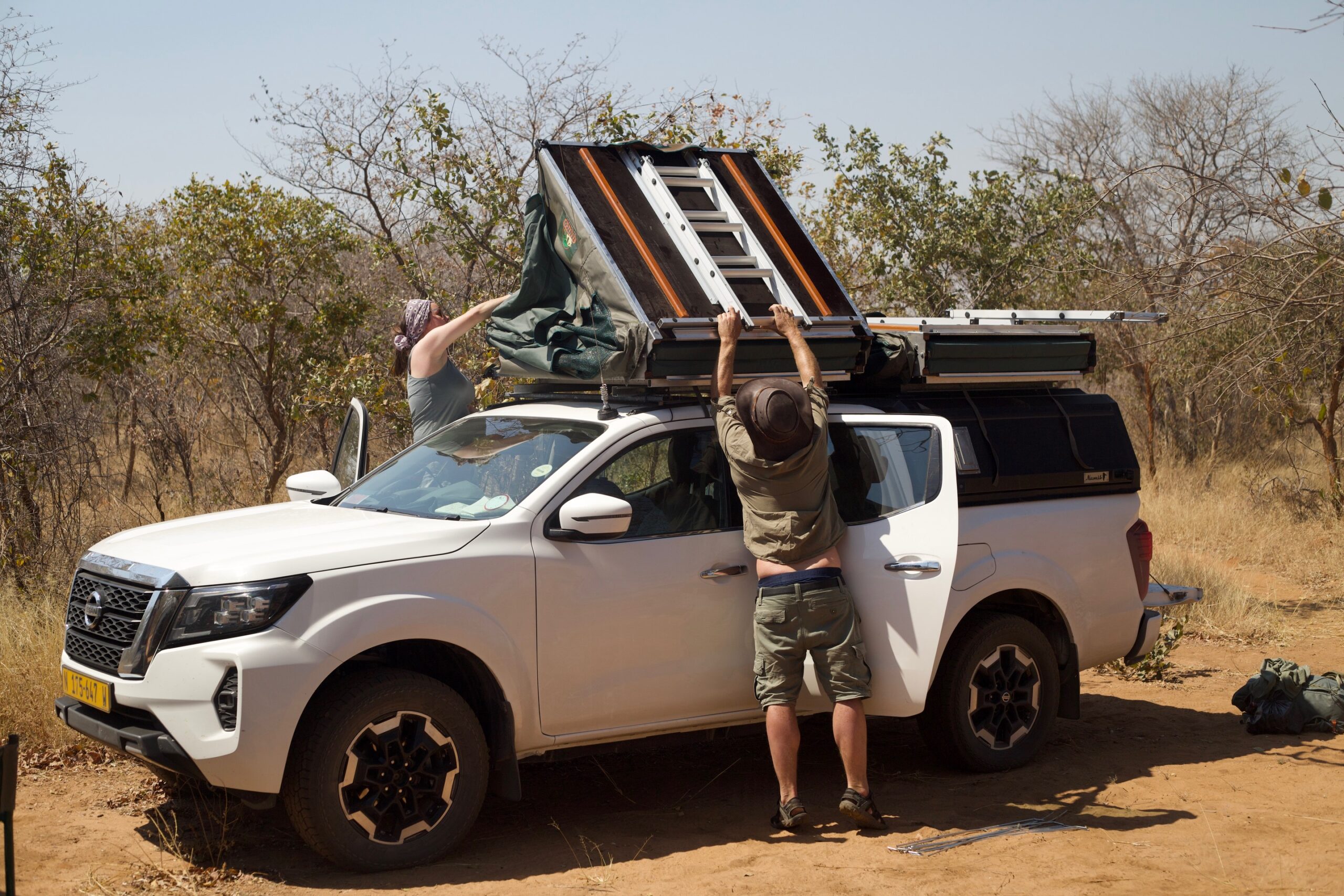
Risk Assessment & Duty of Care
The romantic image of wilderness hides a serious truth: organisers carry legal and moral
responsibility.
This means:
Detailed written risk assessments.
Medical screening forms.
Emergency response plans.
Decision logs.
Insurance alignment.
Clear communication of hazards to participants.
Heat exhaustion, dehydration, vehicle breakdowns, wildlife encounters – these are not theoretical risks. They are foreseeable scenarios that must be planned for calmly and professionally. With expeditions open to all ages (children right through to octogenarians!) the health and safety of all needs to be thoroughly assessed, and all potential risks calculated and planned for.
A well-run expedition feels relaxed because the risk thinking has already been done.
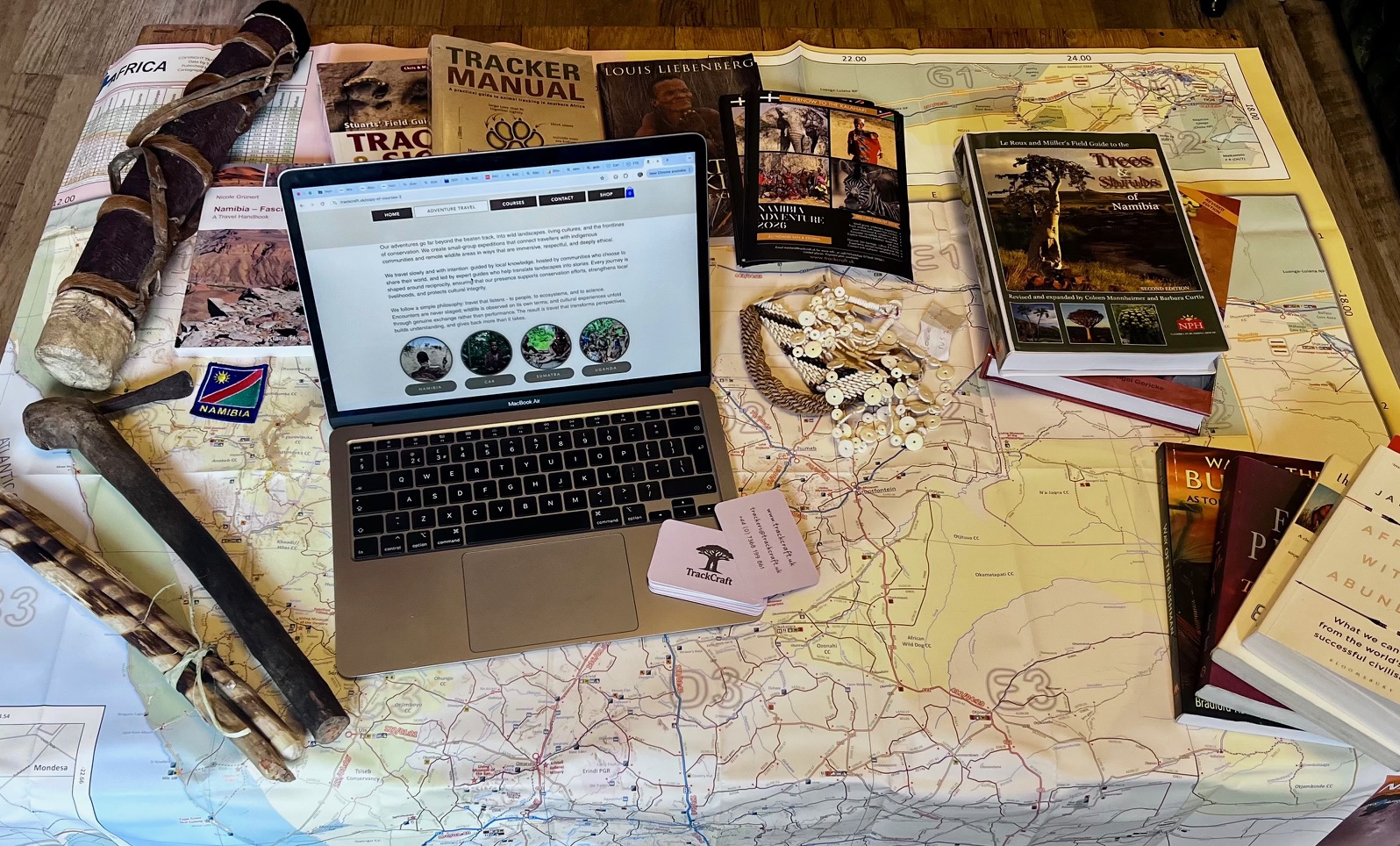
Environmental & Cultural Ethics
Where are we sourcing food and water? When visiting remote villages, we need to ensure we don’t need to take anything from them.
Are we employing local guides fairly?
Are we contributing to conservation funds?
Is photography respectful?
Is cultural experience being commodified or led authentically?
In remote Indigenous territories, the line between cultural exchange and cultural exploitation can be thin. Ethical operators are constantly examining it.
The goal is never extraction. It is reciprocity.
Financial Reality
Adventure travel is often perceived as expensive. What’s less understood is the cost structure behind it.
Fuel in remote areas.
Remote communication systems.
Vehicle wear and tear on corrugated tracks.
Accommodation and food off the tourist trail.
Medical supplies for emergency first response.
Local staff wages and tips.
Community contributions.
Contingency funds.
Insurance premiums.
Small group sizes, which are better for ecosystems and communities, mean costs are shared among fewer people.
Responsible expeditions are rarely high-margin operations. They are precision-balanced undertakings.
The Emotional Load
Perhaps the least discussed aspect of organising expeditions is the emotional responsibility.
You are holding:
Their lifelong memories.
You are also balancing relationships across cultures, time zones, and expectations. When something changes… weather, road conditions, political shifts, you adapt quietly so the group remains steady.
Leadership in wilderness environments is as much about emotional regulation as it is about navigation.
Why Do It?
With all this complexity, why do organisers keep doing it?
Because when it’s done well, something extraordinary happens.
Guests leave not just with photographs, but with perspective. When organised well, these adventures are often life changing experiences for guests.
Wild landscapes and indigenous communities are valued and therefore protected.
And around a fire in a remote place, strangers become connected… to each other, to the land, and to something older than tourism.
Those moments are not accidental.
They are built.
Rhoda Watkins and Jay Opie are the founders of TrackCraft, a UK-based organisation specialising in wildlife tracking, search and rescue training, and ethically led adventure expeditions. TrackCraft works closely with indigenous communities in Southern Africa, particularly the Ju|’hoansi San of Namibia, supporting community-led cultural and conservation initiatives. Their work blends fieldcraft, education, expedition planning, risk management, and deep respect for wild landscapes.
TrackCraft